Climate warning as CO2 levels spiral
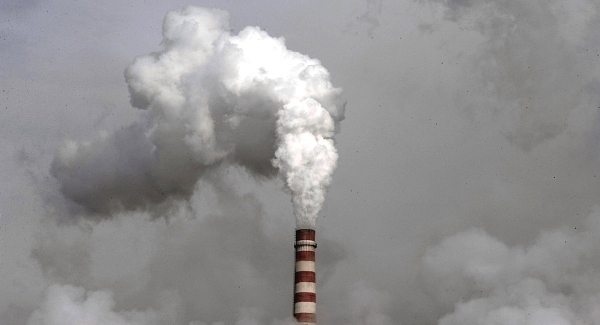
Concentrations of carbon dioxide, the major cause of global warming, increased at their fastest rate for 30 years in 2013, despite warnings from the world’s scientists of the need to cut emissions to halt temperature rises.
Experts warned that the world was “running out of time” to reverse rising levels of carbon dioxide (CO2) to tackle climate change.
Data show levels of the gas increased more between 2012 and 2013 than during any other year since 1984, possibly due to less uptake of carbon dioxide by ecosystems such as forests, as well as rising CO2 emissions.
The annual greenhouse gas bulletin from the World Meteorological Organisation showed that in 2013 concentrations of CO2 in the atmosphere were 142% of what they were before the industrial revolution.
Other potent greenhouse gases have also risen significantly, with concentrations of methane now 253% and nitrous oxide 121% of pre-industrial levels.
Between 1990 and 2013 the warming effect on the planet known as “radiative forcing” due to greenhouse gases such as CO2 rose by more than a third (34%).
The bulletin reveals concentrations of gases in the atmosphere, not emissions — around a quarter of which are absorbed by the oceans and a further quarter by ecosystems.
Oceans cushion the increases in carbon dioxide that would otherwise be seen in the atmosphere — but at a cost, with the world’s seas becoming more acidic at a rate not seen for at least 300m years, the organisation said.
World Meteorological Organisation secretary general Michel Jarraud said: “We know without any doubt that our climate is changing and our weather is becoming more extreme due to human activities such as the burning of fossil fuels. The greenhouse gas bulletin shows that, far from falling, the concentration of carbon dioxide in the atmosphere actually increased last year at the fastest rate for nearly 30 years.
“We must reverse this trend by cutting emissions of CO2 and other greenhouse gases across the board. We are running out of time.
“Carbon dioxide remains in the atmosphere for many hundreds of years and in the ocean for even longer.
“Past, present, and future CO2 emissions will have a cumulative impact on both global warming and ocean acidification. The laws of physics are non-negotiable.”
Carbon dioxide is responsible for four-fifths of the increase in warming by greenhouse gases, with concentrations in the atmosphere averaging 396 parts per million in 2013. Last year levels increased by 2.9 parts per million — the largest annual increase seen in the period 1984 to 2013.
For the first time, the bulletin includes a section on ocean acidification, caused by the uptake of carbon dioxide into the seas, which can harm the ability of wildlife such as corals, to form shells. It could also reduce survival, hit growth rates and effect physiological functions in wildlife.