Aid workers recover after experimental ebola drug
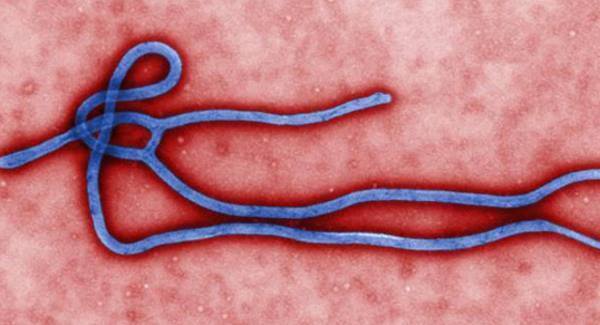
Hopes of finding a treatment for the deadly ebola virus have shifted to a small California-based biotech company whose experimental drug has been used to treat two American missionary workers.

Aid workers recover after experimental ebola drug

The drug, developed by Mapp Biopharmaceutical Inc, was used to treat the aid workers who were exposed to the disease in Liberia.

Dr Kent Brantly, of Samaritan’s Purse returned to the a US a week ago and his colleague Nancy Writebol of SIM USA flew back via medical aircraft on Tuesday.

Both the aid workers received the experimental treatment while in Liberia.

In Brantley’s case, it was nine days since he came down sick with ebola. As his condition was worsening by the minute, Brantly called his wife to say goodbye.

Thankfully, the call was premature.

Brantly is now back on his feet — after receiving the last-ditch, highly experimental drug.

Brantly’s and Writebol’s conditions significantly improved after receiving the medication, sources say.

On July 22, Brantly woke up feeling feverish. Fearing the worst, he immediately isolated himself. Writebol’s symptoms started three days later. A rapid field blood test confirmed the infection in both of them after they had become ill with fever, vomiting and diarrhoea.

It’s believed Brantly and Writebol, contracted ebola from another healthcare worker at their hospital in Liberia.

The experimental drug, known as ZMapp, was developed by the biotech firm Mapp Biopharmaceutical Inc., which is based in San Diego. The patients were told that the treatment had never been tried before on a human being but had shown promise in small experiments with monkeys.

According to company documents, four monkeys infected with ebola survived after being given the therapy within 24 hours after infection. Two of four other monkeys that started therapy within 48 hours after infection also survived. One monkey that was not treated died within five days of exposure to the virus.

Brantly and Writebol were aware of the risk of taking a new, little-understood treatment and gave informed consent, according to two sources familiar with the care of the missionary workers. In the monkeys, the experimental serum had been given within 48 hours of infection. Brantly didn’t receive it until he’d been sick for nine days.

The medicine is a three-mouse monoclonal antibody, meaning that mice were exposed to fragments of the ebola virus and then the antibodies generated within the mice’s blood were harvested to create the medicine. It works by preventing the virus from entering and infecting new cells.

The ebola virus causes viral haemorrhagic fever, which refers to a group of viruses that affect multiple organ systems in the body and are often accompanied by bleeding.

Early symptoms include sudden onset of fever, weakness, muscle pain, headaches and a sore throat. They later progress to vomiting, diarrhoea, impaired kidney and liver function — and sometimes internal and external bleeding.

Within an hour of receiving the medication, Brantly’s condition dramatically improved. He began breathing easier; the rash over his trunk faded away. One of his doctors described the events as “miraculous”.

By the next morning, Brantly was able to take a shower on his own before getting on a specially designed Gulfstream air ambulance jet to be evacuated to the United States.

Writebol also received a vial of the medication. Her response was not as remarkable, according to sources familiar with the treatment. However, doctors on Sunday administered a second dose of the medication, which resulted in significant improvement.

The process by which the medication was made available to Brantly and Writebol is highly unusual.

World Health Organisation spokesman Gregory Hartl cautioned that health authorities “cannot start using untested drugs in the middle of an outbreak, for various reasons.”

Doctors Without Borders similarly weighed in on the side of caution.

“It is important to keep in mind that a large-scale provision of treatments and vaccines that are in very early stages of development has a series of scientific and ethical implications,” they said.

x

More in this section

Cookie Policy Privacy Policy Brand Safety FAQ Help Contact Us Terms and Conditions

© Examiner Echo Group Limited