Italy tells German bankers back off
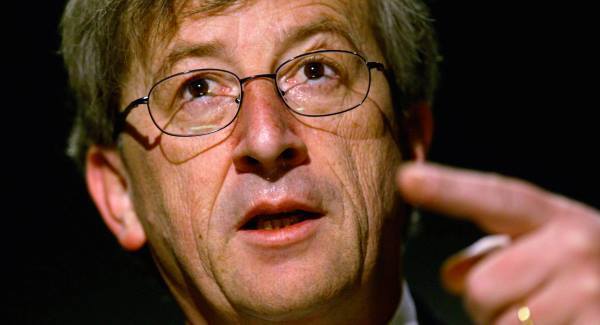
Matteo Renzi, effectively leading the left-leaning governments in the EU, said that they had agreed to support Jean-Claude Juncker as European Commission president in exchange for greater flexibility in the stability and growth pact.
“There is no stability without growth,” he said, emphasising that both were needed and that last week’s agreement between the 28 member state leaders stressed this.
The Irish and other hard-pressed governments are banking on greater flexibility to allow them invest in their economies without it being added to their budget deficit.
They are also pushing for recognition that reforms and investment can take some years to yield results and want the whole budget governance to be more long term, rather than pushing for the kind of austerity measures that yield immediate results.
President of the Bundesbank, Jens Weidmann, told Italy on Thursday that they must complete their structural reforms before calling for increased budget flexibility.
Mr Renzi did not mince his words in replying. “I believe the Bundesbank has a task and that is the fulfilment of its statutory roles. It is not among its task to take part in Italian politics. We do not comment on the German banks, I don’t expect the Bundesbank to talk about politics. If they want to talk to us, they are welcome, but Europe belongs to European citizens not to bankers.”
German MEP, Manfred Weber, the new leader of the largest group in the European Parliament, the European People’s Party, gave a similar message to Mr Renzi when he was in the parliament earlier this week. He suggested that Italy was looking for a way to accumulate more debt — currently among the highest in the EU at 132% — and said that countries like Italy could not afford more debt.
Mr Renzi told journalists in Rome at the start of his country’s six month presidency of the EU, that there was no difference between his government and that of Germany in agreeing that both consolidation and growth must happen together. But he added that it was necessary that both countries acttogether on this also.
However, while everyone acknowledges flexibility is included in budget rules, how this will be interpreted is the key issue.