Wearable blood monitor could predict heart attacks
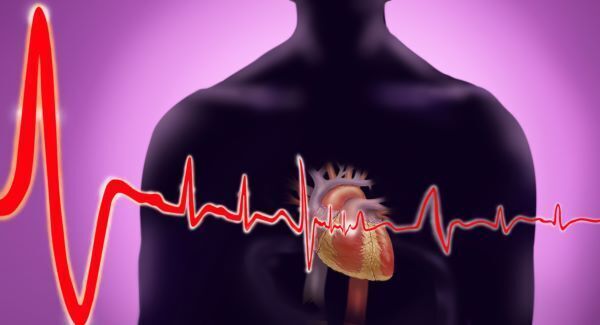
Heart attacks could in future be predicted days in advance using a wearable blood monitor.

Wearable blood monitor could predict  heart attacks

Scientists have identified two biomarkers whose levels drop dramatically within two weeks of a heart attack.

The discovery could lead to an early warning test that can tell heart patients when they are in danger. It may even be possible to create a heart attack “alarm” device that can be worn.

“Ultimately, our goal is to develop a test that predicts when a heart attack is going to occur in patients with heart disease,” said lead researcher Dr Oxana Galenko, from the Intermountain Medical Centre Heart Institute in Salt Lake City, US.

“This would help physicians intervene proactively and stop heart attacks from happening.

“There are monitors people wear that detect blood chemistry, and if we really wanted to look into the future, perhaps we could develop something similar.”

The biomarkers are microRNAs, small strands of genetic material that are able to switch off genes by interfering with the way their codes are translated.

Two of them, labelled microRNA 122 and microRNA 126, seem to disappear from the blood prior to a heart attack.

The scientists believe that when present, the biomarkers help prevent heart attacks by blocking some unknown cardiac process.

“MicroRNAs turn things off,” said Dr Galenko. “Whatever they usually turn off in people with heart disease before a heart attack isn’t being turned off when microRNA levels are reduced, which may be causing something else to be activated.

“MicroRNAs act like a watch dog, and when their levels are reduced, heart disease takes a turn for the worse and heart attacks are likely to occur.”

The discovery came after Dr Galenko’s team analysed data on 30 patients who had suffered a heart attack within 44 days of having blood samples taken. The team looked at factors such as age, gender, race, raised cholesterol, high blood pressure, and diabetes.

It was the changing levels of the microRNAs in the blood samples that stood out. Within two weeks of experiencing a heart attack, they plummeted.

RNA is a cousin molecule of DNA and plays a crucial role in transferring the genetic code to protein-making machinery in cells.

More in this section

Cookie Policy Privacy Policy Brand Safety FAQ Help Contact Us Terms and Conditions

© Examiner Echo Group Limited