Mobile phones will cut energy use in cities
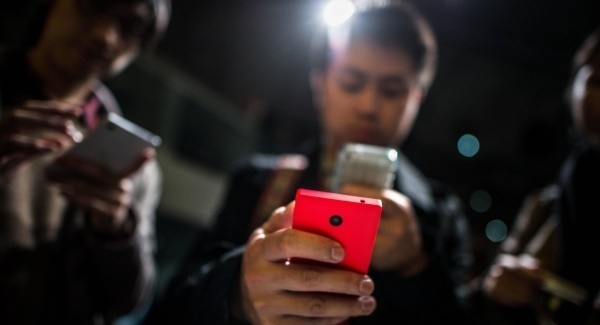
Mobile phones can help create smarter buildings and reduce the amount of energy used to power cities.

Mobile phones will cut energy use in cities

Over three-quarters of the world’s energy is consumed by buildings and need to be more intelligent, according to Matt Grob, chief technology officer of Qualcomm.

“We need to improve the performance of our buildings. We need to be smarter. We need to better understand when people are coming and going.”

Mr Grob spoke about small but significant adjustments that can be made to reduce energy costs. These include turning off lights automatically and adjusting heat automatically.

“We’re doing research in making better windows, which reduce sunlight or direct the sunlight towards a solar panel,” he said.

The Tohoku tsunami and earthquake in 2011 caused the Japanese telecommunications company NEC to accelerate research into making its buildings more energy efficient.

“Besides the devastating damage that was caused we had a lot of power problems in the middle of Tokyo. We had to think about energy issues, not just about global warming and reducing CO2 emissions,” said Shinya Kukita, chief engineer, NEC Corporation.

NEC picked one of its campuses next to Tokyo city to install an energy management solution. The building was 20 years old and seven stories high. It stored most of the company’s R&D. A lot of energy was consumed through air conditioning. The same amount of energy to run its computer systems was used in cooling them down. NEC managed to cut its energy bill by 50%, and is looking to install the same system in its other buildings.

“We like to focus on old buildings because unfortunately the majority of buildings are already here, and less efficient,” said Kukita.

Grob suggested buildings might be easier to change than people. “We have an awful lot of electric cars amongst our staff at our headquarters in San Diego. We have supplied chargers for free in our staff car parks. We have also started a business for wireless charging.”

A panel discussion on smarter cities at the Mobile World Congress suggested every adult could become a taxi driver by using “an über taxi app”.

If people had this application embedded in their car or on their smartphone, they could be alerted when somebody needed a lift, whether they were driving at the time, or had their car parked outside their home.

It was one of several examples raised by mobile sector experts about how cities are adapting mobile technology to improve services for city dwellers.

Jeff Edlund, CTO HP, used the example of how “smart parking” can be used when there is a concert on in a city, and a person chooses to drive.

“With the smart parking model HP has trialled, it allows you to pre-allocate a spot for parking. It will help to guide you towards your parking spot. It provides information about road conditions, about how long the journey will take given traffic congestion.”

x

More in this section

Cookie Policy Privacy Policy Brand Safety FAQ Help Contact Us Terms and Conditions

© Examiner Echo Group Limited