China to ease one-child policy, abolish labour camps
The moves — also including reductions on the application of the death penalty — were contained in a 22,000-word document on “major issues concerning comprehensively deepening reforms” released by official Xinhua news agency, days after a meeting of the Communist leadership in Beijing.
The gathering, known as the Third Plenum, has historically been the venue for major reform announcements, and comes one year after new leaders under Xi Jinping took charge of the ruling party.
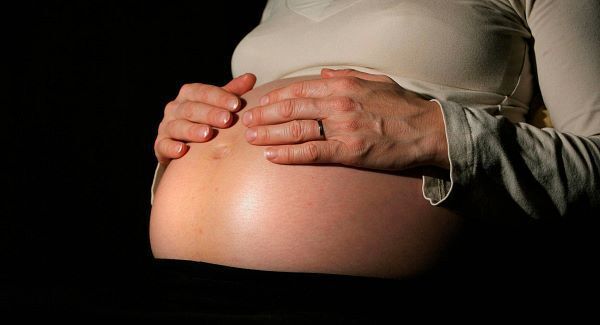
Couples will be allowed to have two children if one of the parents is an only child — widening the exceptions to a rule introduced in the late 1970s to control China’s population, the world’s largest.
China will loosen its decades-long one-child population policy, allowing couples to have two children if one of them is an only child.
— China Xinhua News (@XHNews) November 15, 2013
The policy has at times been brutally enforced, with authorities relying on permits, fines, and, in some cases forced sterilisations and late-term abortions.
Critics argue it has contributed to the gender imbalance in China, where sex-specific abortions remain common.
Almost 118 boys were born for every 100 girls in 2012, and female infanticide and the abandoning of baby girls have been reported.
China will also abolish its controversial “re-education through labour” system, under which police panels can sentence offenders to years in camps without a trial, Xinhua said.
The move was “part of efforts to improve human rights and judicial practices”, which also included reducing “step by step” the number of crimes subject to the death penalty and working to ban confessions extracted through torture.
The deeply unpopular labour camp system is largely used for petty offenders but is also blamed for widespread rights abuses by corrupt officials seeking to punish whistleblowers.
CONNECT WITH US TODAY



Be the first to know the latest news and updates