Russia raises stakes in Syrian arms race
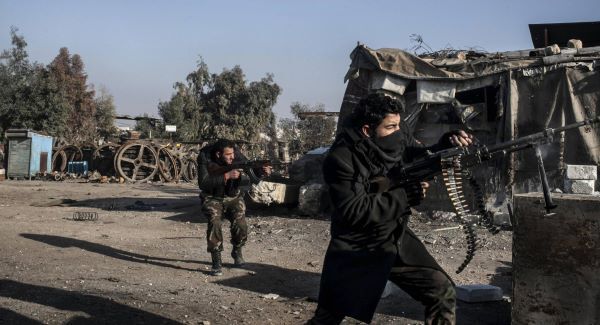
Either development would significantly raise the firepower in the two-year civil war that has already killed more than 70,000 people and sent hundreds of thousands fleeing the country, just as the key countries prepare for a major peace conference in Geneva that had been described as the best chance yet to end the bloodshed.
Russian officials criticised the EU decision to allow their arms embargo against Syria to expire, freeing its member countries to provide weapons for the outgunned rebels.
Russia, which has been a strong supporter of the Syrian government, said the British- and French-driven decision undermined peace efforts.
Deputy foreign minister Sergei Ryabkov said Russia has signed a contract with the government of Syrian president Bashar Assad to provide it with state-of-the-art S-300 air defence missiles, which he said were important to prevent foreign intervention in the country. Ryabkov would not say whether Russia has shipped any missiles to Syria yet.
Ryabkov said Russia understands the concerns about providing such weapons to Syria, but believes that may “help restrain some hot-heads considering a scenario to give an international dimension to this conflict”.
EU diplomats have said Britain and France are considering providing equipment to the rebels, and Syrian neighbours Turkey and Lebanon risk being drawn into the conflict.
Ryabkov called the EU move to end its arms embargo “a manifestation of double standards” that will hurt the prospects for the Geneva talks, which are expected to happen in June.
In Damascus, a Syrian lawmaker also criticised the EU decision, saying that efforts to arm the rebels will discourage the opposition from seeking a peaceful solution to the conflict. The comments by Essam Khalil, a member of the parliament for the ruling Ba’ath Party, were the first by a Syrian official.
US senator John McCain, meanwhile, made an unannounced visit to rebel forces in Syria, putting more pressure on Assad to seek a negotiated settlement.
Israeli defence minister Moshe Yaalon said that S-300s had not left Russia yet, seeming to contradict Israel’s air force chief, who said last week the shipment of the missiles was on its way to Syria.
Russia has been Assad’s most powerful ally during the 26-month conflict, opposing sanctions and blocking, with China, three Western-backed UN Security Council resolutions meant to stop fighting.
Moscow has vehemently opposed military intervention or arming Syrian rebels, while defending its right to deliver arms to the government, its long-time client — though it says it has been supplying only defensive weapons under existing contracts.

CONNECT WITH US TODAY



Be the first to know the latest news and updates