Ottawa fights EU plan to label Canadian oil as dirty
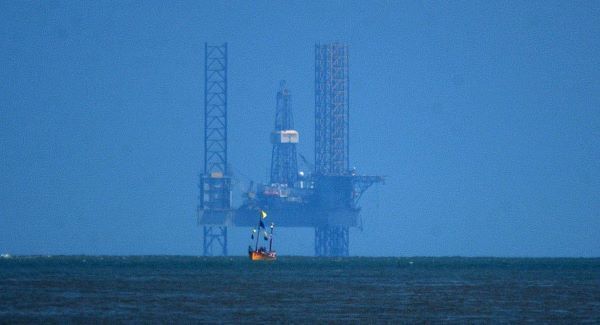
As part of a plan to cut greenhouse gases from transport fuel, the EU’s executive commission has developed a Fuel Quality Directive that would single out oil from Alberta’s tar sands as more polluting than conventional crude.
Canada, whose oil sands are the world’s third-largest proven reserves of crude, strongly opposes the move. natural resources minister Joe Oliver, speaking at the start of a week-long trip to Paris, Brussels and London, said the directive should be changed to ensure it does not discriminate against crude from the oil sands.
“We think that’s critical as an alternative to what we view as a flawed and ineffective approach that’s proposed by the commission,” he told Reuters in an interview from Paris.
Extracting crude from the clay-like Alberta oil sands requires more energy than conventional oil production. Environmentalists say that increases greenhouse gas emissions, making the oil sands a top target for the green movement.
Ottawa is unhappy the directive would not penalise Russia, which both burns and releases natural gas while extracting oil. This means Russian crude extraction produces at least as many emissions as tar sands oil, if not more.
“If you’re giving a free pass to a high emitter who happens to be one of the biggest exporters into the Union, then how are you achieving your objectives?”
Last year, amid heavy Canadian lobbying, the EU held an inconclusive vote on the directive and then decided to assess the full impact of the plan. That assessment is due in the next few months, paving the way for another vote.
Although Canada sends almost no crude to the EU now, that could change if proposals to create pipeline capacity from Alberta to Canada’s East Coast are successful.
“We’re not exporting to the EU at the moment but we don’t want to see our crude oil stigmatised,” said Oliver, adding Canada did not oppose the goals of the fuel quality directive. “What we want is a scientific fact-based approach that makes its judgment based on the scientific realities and not sort of a preconceived idea . . . that our oil should be treated differently.”
CONNECT WITH US TODAY



Be the first to know the latest news and updates