NOTW employee ‘did not’ delete Dowler messages
A PRIVATE investigator working for Rupert Murdoch’s News of the World tabloid did not delete voicemails from the phone of a missing girl, a police lawyer said last night — casting new light on the critical event that sparked Britain’s phone-hacking scandal.

NOTW  employee ‘did not’ delete Dowler messages

The claim that the tabloid not only listened to but interfered with messages left for 13-year-old Milly Dowler in 2002 horrified many Britons, triggering a storm this summer about media malpractice that shook Murdoch’s global media empire and rattled Britain’s police, media and government.

The scandal exploded after the Guardian newspaper reported in July that the News of the World had eavesdropped on the girl’s voicemails after she disappeared and may have hampered the police search for her by deleting messages.

Dowler’s parents have described feeling elated when they were able to reach Milly’s previously full mailbox several days after she disappeared, because that made them think their daughter was alive. In fact, she had been murdered. Her body was found several months later.

Neil Garnham, a lawyer for London’s police force, told Britain’s media ethics inquiry that it had been widely reported that someone from the News of the World — most likely private investigator Glenn Mulcaire, who was later jailed for hacking the phones of royal staff — “had deleted voicemail messages to make way for further recordings.”

But he said the police had never told the Dowler family that messages had been deleted.

Garnham said Mulcaire had not been assigned to the Dowler story until after the messages disappeared, and police had found no evidence pointing to any other employee of the newspaper.

“The most likely suggestion is that existing messages automatically dropped off after 72 hours,” Garnham said.

The Dowler family’s lawyer, Mark Lewis, said in a statement the main claims against the News of the World remained, even though it was unclear who had deleted Milly’s messages.

“(It) remains unchallenged that the News of the World listened to Milly’s voicemail and eavesdropped on deeply personal messages, which were being left for her by her distraught friends and family,” he said.

Meanwhile, two former reporters for the News of the World spoke up for the much-maligned tabloid tactics at the media ethics inquiry, saying undercover stings and kiss-and-tell stories helped expose criminals and hypocrites.

Mazher Mahmood, once the tabloid’s star undercover reporter, and ex-chief reporter Neville Thurlbeck were the first of several witnesses from Murdoch’s media empire to address the inquiry.

Both said reporters and editors balanced privacy against the public’s right to know when deciding whether to publish titillating scoops.

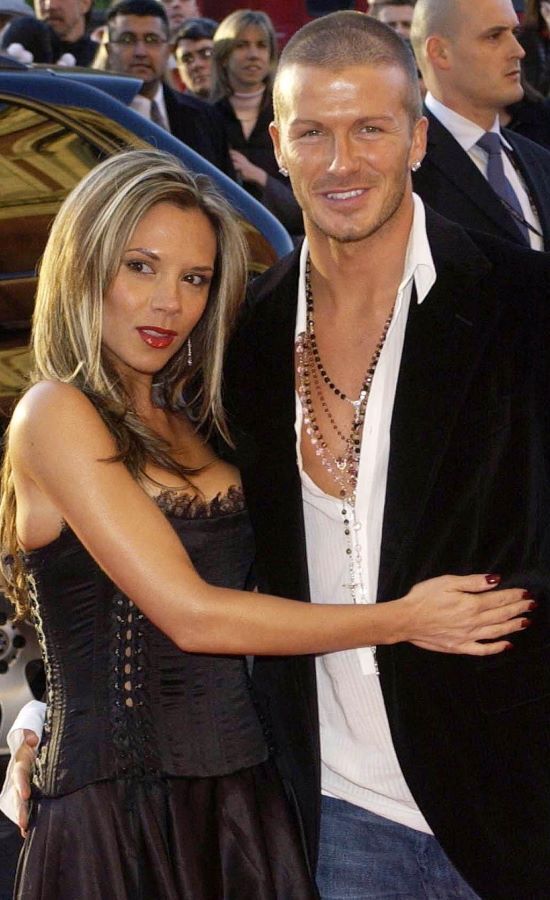
Thurlbeck used the example of a 2004 story alleging that football star David Beckham was having an affair. He said it was justified because the athlete and his wife, former Spice Girl Victoria Beckham, traded on an image of wholesome, fairy- tale family life.

“We thought it was important we exposed that the fairytale was a sham,” Thurlbeck said.

He said the story had been a classic kiss-and-tell, with Beckham’s supposed mistress, Rebecca Loos, paid “a six-figure sum” for details of the affair.

Yesterday’s first witness was the bane of many celebrities — Mahmood, a controversial figure nicknamed the “Fake Sheik” after his signature ruse of pretending to be a rich Gulf businessman to trap celebrities, politicians and suspected criminals.

He said his stories had to meet rigorous public interest standards, such as exposing criminality or “moral wrongdoing” by public figures such as members of parliament.

“I don’t think I’d vote for my MP if I knew he was cheating on his wife,” Mahmood said. “If you hold public office, you should be open to scrutiny.”

Picture: David and Victoria Beckham; Ex-chief NOTW reporter Neville Thurlbeck told the hacking inquiry that the decision to publish the story about the footballer’s affair came about after his right to privacy was weighed against the public’s right to know.

More in this section

Cookie Policy Privacy Policy Brand Safety FAQ Help Contact Us Terms and Conditions

© Examiner Echo Group Limited










