Islam comic tackles critics
It builds a global audience and investors contribute millions for it to continue and expand.
But in two vastly different cultures, Naif al-Mutawaâs tale hits a few roadblocks: censorship from Saudi Arabia, home to the main Muslim holy sites; and in the US, a struggle to build an audience where free expression has been hampered by a post-9/11 rise in suspicion and scrutiny of all things Islamic.
For al-Mutawa, it is evidence that tales like his are needed to counter hardline, intolerant ideologies of all stripes.
âThatâs one of the things that was most disappointing to me in the beginning,â al-Mutawa said on a recent visit to Detroit. âYou have two birthplaces: You have the birthplace of Islam, which initially rejected it (and) the birthplace of democracy and tolerance, this country, that Iâm now facing resistance in â the two natural places for this product.â
Al-Mutawaâs reputation in the Middle East and elsewhere has grown since the 2006 debut of The 99, as well as its roll-out into animation. The series is named for the 99 qualities the Koran attributes to God: strength, courage, wisdom and mercy among others.
The comic book spawned a TV series and 26 half-hour episodes of the 3D animated version of The 99 have been sold.
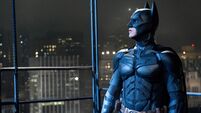
The 99 grew out of his childhood love of Batman, Superman and their super-hero brethren, along with a desire to provide role models for his five sons.
âBasically, The 99 is based on Koranic archetypes, the same way that Batman and Superman are based on Judeo-Christian and Biblical archetypes. And just like Batman and Superman are secular storylines, so too are The 99,â he said. âIt seemed to me that the only people using mass media when it came to things to do with religion â at least my religion â were people who were doing very destructive things. So the question was how do I challenge that in a way thatâs secular yet cannot be dismissed as western?â
Critics on both sides of the religious and cultural divide see subversion in al-Mutawaâs superheroes. Some hardline Muslims say the series subverts their faith by embodying the attributes in human characters, while a few non-Muslim US critics have labelled it sneaky Islamic indoctrination.
Al-Mutawa called âHoly terrorâ par for the historical course for Islam.
âThereâs no denying that terrible things have happened in the name of my religion â as they have in the names of most religions, if not all religions,â he said. âAs human beings, weâre a little bit lazy. We donât like to change the schemas in our minds. We like to fit new information into existing schemas. Thatâs why to some people anything to do with Islam is going to be bad.â