Sectarian attack in Pakistan kills 44
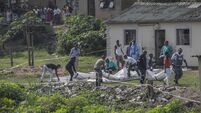
A blast killed at least 43 people in the southwestern city of Quetta at a Shi’ite procession calling for solidarity with Palestinians, Police Chief Ghulam Shabir Sheikh said.
He said 78 people were wounded and several were in critical condition.
Protesters dragged wounded people into private cars as burning motorcycles sent clouds of black smoke billowing through the streets. The bodies of the dead and wounded lay strewn across the road.
Some Shi’ite youths fired in the air after the blast, and Qazi Abdul Wahid, a senior police official, said officers were trying to control the situation.
Shi’ite leader Allama Abbas Kumaili appealed toparticipants to remain peaceful.
“We understand these are attempts to set Sunni and Shi’ite sects against each other,” he said.
The attack in Quetta was the second this week on Pakistani Shi’ites, who by some estimates make up about 20% of the population in the mostly Sunni Muslim country, although figures are imprecise and disputed.
A triple suicide attack on Wednesday night killed 35 people at a Shi’ite ceremony in the eastern city of Lahore.
Kumaili said the attacks against minority sects were a result of government failure.
Government officials have said they cannot protect outdoor gatherings from attacks, and Interior Minister Rehman Malik called on Thursday for Shi’ites to hold religious ceremonies indoors.
Baluchistan provincial Police Chief Malik Iqbal said officials had warned organisers of the Quetta ceremony to stick inside a security cordon after intelligence agents received reports about a possible terror attack.
Wednesday’s attack in Lahore, and a host of other assaults on religious minorities, was claimed by the hardline Sunni Pakistani Taliban, which is seeking to overthrow a Western-backed government shaken most recently by flooding that has caused massive displacement, suffering and economic damage.
Earlier yesterday a suicide attack on a mosque belonging to the minority Ahmadi sect killed at least one person in Mardan.
The floods have killed more than 1,600 people and affected about 20 million people.