Tax commissioner designate backs EU corporate tax plan
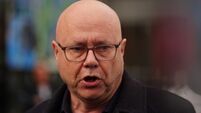
However, the suitability of former finance minister of Lithuania, Algirdas Semeta, for the portfolio is being questioned by the Socialists.
During the three hours of questions and answers, Mr Semeta said he favoured fair competition in taxation and pointed out that on average the EU’s corporate tax levels were higher than those of rivals Japan and the US.
He said there were harmful practices such as profit shifting and mismatches between tax systems of member states – something Ireland, with its 12.5% rate, has been accused of in the past.
Mr Semeta said he would follow through plans for a common consolidated corporate tax base which would not harmonise tax rates, but would harmonise what firms can claim in the EU.
He believed this would be particularly helpful to small businesses wanting to set up branches cross border and would allow them file just one type of tax return.
Mr Semeta also believes that a tax on financial transactions is possible but only if it was agreed at global level.
Afterwards, the Socialists described his answers as unconvincing and unsatisfactory, especially on fighting tax havens, financial transaction tax and corporate taxation.
“The overwhelming impression was disappointment which leads us to question his suitability to be nominated for this important commission portfolio,” said Socialist vice-president, Hannes Swoboda.
The commission’s tough stance on cartels including massive fines is likely to continue under proposed commissioner for competition, Joaquin Almunia.
The Spaniard would also make it easier for consumers to sue companies, but added they needed to avoid the problems of big class actions seen in other countries.
The proposed trade commissioner, Belgium’s Karel De Gucht, said he did not believe carbon taxes should be imposed on goods from states that fail to cut back on emissions as there was a risk of sparking trade wars.

CONNECT WITH US TODAY



Be the first to know the latest news and updates