Dirty Irish hands in Ghana’s pot of gold
If you wear a gold ring on your finger, write using a gold-tipped fountain pen or even have gold stock in an investment portfolio, the chances are that your life is connected to dangerous and often polluting gold mining activities.
‘Dirty’ gold is fast becoming an issue for Irish jewellers and consumers and appropriately so as the price of the precious metal hits a 29-year high.
Across Ghana, reefs of gold are being explored not only by giant international mining companies but by artisan miners. Village bush miners can dig up a few ounces of gold in a week while larger companies produce close to a million ounces of gold a year.
Where the ore is rich and plentiful, industrial mines carve it out. Where it is less so, humble villagers sift the earth.
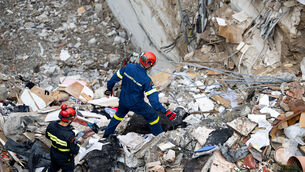
Illegal and artisan miners often work 14-hour days, operating near blast areas and using poisonous mercury and bare hands to extract the gold. Disease is rife near the makeshift tunnels, while elsewhere communities allege bloody human rights abuses against the big companies.
Many villagers, often left without land or farms, find themselves scrapping an income together at the face of the pits. It is a vicious circle.
But the trade is seriously under regulated, lacking proper scrutiny by Ghanaian government bodies.
Its Environmental Protection Agency has made minimal sanctions against offending mine companies. There are also few, if any, protection measures to guard against child labour in mines.
Furthermore, instead of stamping out uncontrolled illegal mining which causes pollution and leads to violent clashes with mine company security, the government actually encourages it. The government buys up illegally mined gold and sends it overseas to Europe to be refined where it eventually winds up in jewellery shop windows.
Independent studies on the environmental impacts of mining in Ghana have revealed huge concerns. A report by Third World Network Africa showed arsenic and heavy metal elements in water around Obuasi, a major mining town in southern Ghana, were in some cases 1,800 times higher than World Health Organisation safe levels. Amounts of mercury were several times higher and the amount of metal content in fruits such as oranges was even more concentrated.
Meanwhile, demand for gold has surged worldwide. According to Gold and Silver Investment in Dublin, a leading Irish dealer, its value in euro has jumped by 20% over the last year, from €531 to €664 for every ounce.
Mines, though, are failing to keep up with production demands which have been fuelled by a collapse in global markets, explained the group’s director Mark O’Byrne.
Gold is now being viewed as a safe haven by Irish investors.
Meanwhile, a two-week Irish Examiner investigation has established a link between dangerous and often polluting gold mining in Ghana and jewellery sold in Irish stores.
NGOs in Europe and Ghana want a traceability system put in place. Activists also say Ghana needs a moratorium on mining licences and prevention of firms displacing whole villages.
Big mining companies say the thousands of illegal miners are the ones causing huge damage to Ghana’s land, water and air. They also say complaining villagers just want a piece of the profits.
CONNECT WITH US TODAY



Be the first to know the latest news and updates