Lebanon getting more isolated, warns UN
Because of the devastation and the danger of being hit, people have been afraid to go out and relief has been difficult to provide, UN and other officials said.
Thousands of people in southern Lebanon fled northwards yesterday as fears mounted of an Israeli invasion.
It is difficult to assess the exact situation and needs of some 500,000 displaced people because it is extremely hard for humanitarian agencies to move around the country, said Elisabeth Byrs, spokeswoman for the UN Office for the Co-ordination of Humanitarian Affairs, or OCHA.
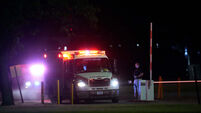
The first international Red Cross relief convoy to reach the besieged southern Lebanese city of Tyre arrived yesterday after a tortuous six-hour journey over war-damaged roads from Beirut, a spokesman said.
The success of the convoy indicated a new Israeli willingness to allow the international community to respond to the deteriorating humanitarian situation in Lebanon following a week of Israeli-Hezbollah fighting, said Vincent Lusser, spokesman of the International Committee of the Red Cross.
Two trucks in the convoy brought 24 tons of food, medical supplies and other assistance to the port city in the relief effort co-ordinated with Israeli authorities, Lusser said.
Meanwhile, southern Lebanese streamed north into Beirut and other regions, crowding into schools, relatives’ homes or hotels.
Taxi drivers in the south were charging more than e300 per person for rides to Beirut — more than 40 times the usual price. In remote villages of the south, cut off by strikes, residents made their way out over the mountains by foot.
The price of food, medical supplies and petrol rose as much as 500% in parts of Lebanon as the bombardment cut supply routes.
The UN estimated that a half-million people have been displaced, with 130,000 fleeing to Syria and 45,000 believed to be in need of assistance.
In 1978, Israel invaded up to the Litani to drive back Palestinian guerrillas, withdrawing from most of the south months later.
Israel invaded Lebanon again in a much bigger operation in 1982 when its forces seized parts of Beirut.


CONNECT WITH US TODAY



Be the first to know the latest news and updates