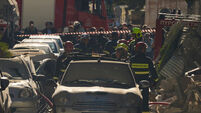
Sri Lanka violence flares
Authorities said it was too soon to say whether the beheadings were sectarian killings or gang warfare, but one Tamil leader accused security forces of involvement.
This week’s bloodshed, including two days of government air strikes against rebel positions and a suicide bombing in the capital, poses the most serious threat yet to a 2002 truce between the government and Tamil Tiger rebels seeking a separate state in the north of the country.
In a sign that tensions may be easing, the military said it would halt the air strikes — which rebels say sent thousands fleeing their homes and killed 12 civilians — so long as the insurgents stopped their attacks.
But analysts said more violence in coming days could see the deal collapse.
“The ceasefire still holds in a technical sense,” the National Peace Council, an independent think tank, said in a statement. “But escalating acts of war make it akin to a dead letter.”
The chief ceasefire monitor, Ulf Henricsson of Sweden, travelled to areas hit by the air strikes and to meet with local leaders of the rebel Liberation Tigers of Tamil Eelam.
He said the rebel claims of civilian casualties appeared “fairly correct,” noting that the targets were mostly political and military but were located in civilian areas.
Three soldiers died when an anti-personnel mine exploded in northwestern Mannar district, 135 miles north of Colombo, military spokesman Brigadier Prasad Samarasinghe said.
Two sailors were killed when a mine exploded as they rode on a motorcycle on Kayts islet in northern Jaffna Peninsula, the navy’s media unit said.
The five headless male corpses were found in two separate spots on a rubber plantation in Awissawella, a predominantly ethnic Sinhalese area about 22 miles east of Colombo, said Deputy Inspector General of Police Nevil Wijesinghe. Many Tamils work on the plantation.