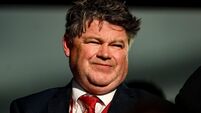
Trichet chairs first policy meeting
He does so amid signs of an economic recovery, scant inflation and the prospect of low interest rates into next year.
“The situation for Trichet is better now than just a few weeks ago. The recovery is finally taking hold,” said Christel Rendu de Lint of Pictet & Cie in Geneva.
“His first rate move will be up, but not before the second quarter.’ The 60-year-old Frenchman, who succeeds Wim Duisenberg, and his 17 fellow policy makers will leave the benchmark refinancing rate at 2% at Thursday’s meeting, according to all 37 economists in a Bloomberg News survey.
Bank of England Governor Mervyn King, who presided over a rate cut 10 days after taking charge in July, may raise the British benchmark rate as soon as Thursday, a separate survey of 44 economists showed.
The ECB, aiming to foster a recovery as the European economy skirted recession, reduced rates to the current record low in June. Germany, France and Italy have since shown signs of economic growth, suggesting that Trichet won’t face the same pressure from politicians to lower rates that his predecessor, Duisenberg, did.
Government and industry reports this week may add to evidence of the rebound.
Trichet has served on the European Central Bank’s governing council since the central bank was founded in 1998.
His move to the top was secured the same year, when French President Jacques Chirac prevailed on a European Union summit to persuade Duisenberg to quit early to make way for a Frenchman.
The change was delayed by four months, until November 1, by a trial in France stemming from allegations that Trichet authorised misleading accounts at Credit Lyonnais SA in 1992 and 1993, when he was head of the French Treasury.
The court cleared Trichet.
Some politicians, including German Chancellor Gerhard Schroeder and Belgian Finance Minister Didier Reynders, have criticised the ECB for being too slow to lower rates.
Unlike the economies of the US, Britain and Japan, all of which are forecast to grow faster this year than last, the dozen euro nations are set for the slowest growth in a decade in 2003, the European Union said last week. The economy will grow 1.8% next year and 2.3% in 2005, the EU said.
Investors expect the ECB to wait until the end of the second quarter before raising borrowing costs, futures trading suggests.
Trichet, who as head of the Bank of France brought inflation close to zero and increased interest rates to strengthen the franc in the 1990s, won’t shy away from raising rates once growth and inflation pick up, said economists and policy makers who know him as a classic central banker.
CONNECT WITH US TODAY



Be the first to know the latest news and updates