World ‘woefully unprepared’ for al-Qaida bioterror attack
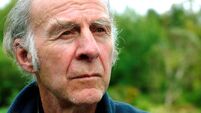
Interpol Secretary General Ronald Noble said the world was woefully unprepared to cope with such an attack and said there was too little co-operation between law enforcement and public health authorities on the issue.
“In my view, al-Qaida’s global network, its proven capabilities, its deadly history, its desire to do the unthinkable and the evidence collected about its bioterrorist ambitions ominously portend a clear and present danger of the highest order that al-Qaida will perpetrate a biological terrorist attack,” he said at the opening session of a three-day workshop to train African police agencies on how to reduce the risk of bioterrorism.
The workshop, the first of three regional meetings, followed a conference at Interpol headquarters in France on the issue in March. It grouped more than 90 law enforcement, scientific and legal experts from 41 African nations.
Mr Noble cited threats by al-Qaida to use biological and chemical weapons, and the fact that instructions on making such weapons had been posted on a website associated with the group.
He warned that once terrorists gained access to lethal pathogens, it would be relatively easy to make a crude device. Interpol has listed six lethal “Category A” pathogens that could be used: smallpox, anthrax, tularemia, botulism, plague and viruses such as Ebola.
Militants might choose to become infected with a pathogen and act as a “suicide bio-weapon”, travelling the world and contaminating anyone and everyone they met, he said. Or they might choose to sow panic and death by methods like the anthrax-by-mail incidents in the US.
“The potential consequences of such an attack could be so far reaching that a lack of action in preventing bioterrorism poses an unacceptable risk to the safety of ... societies around the world,” Mr Noble warned.
He said no country or region should regard itself as safe from the threat. South African police chief Jackie Selebi, president of Interpol, said there was a need for much more global co-operation and resources to reduce the threat.
Interpol runs a global database of suspected terrorists, with information on more than 8,000 people. It has a separate database of more than 5.5 million stolen travel documents which might be used by terrorists.

CONNECT WITH US TODAY



Be the first to know the latest news and updates