Onus on Iraq to show it has nothing to hide
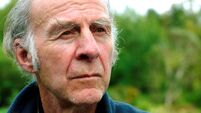
Mohamed El-Baradei, who heads the UN search for banned weapons along with Hans Blix, said the onus was on Iraq, not the UN inspectors searching for weapons of mass destruction, to prove it had nothing to hide.
US Secretary of State Colin Powell's call for support for military action was rebuffed on Friday in a stormy UN Security Council meeting. Most council members lined up behind the foreign ministers of France, Russia and Germany, who called for more inspections after Mr Blix and Mr El-Baradei reported some progress. However, Mr El-Baradei, who heads the Vienna-based International Atomic Energy Agency, said council sentiment could swing toward Washington unless Baghdad convincingly demonstrates its eagerness to reveal all evidence of past and present nuclear, chemical and biological weapons programmes.
"It is clear that the Security Council would like to give the inspections more time," Mr El-Baradei said. "Having said that, Iraq should not get the wrong message. The Security Council is still very impatient, the Security Council believes that Iraq still is not co-operating the way it should co-operate."
Despite majority Security Council sentiment that inspections should continue for now, "everybody is of the view that force might not be excluded as a last resort, and everybody is also saying that Iraq has a limited time to comply," Mr El-Baradei said.
Denying that they had been rattled by the outpouring of anti-war sentiment, the US and Britain began reworking a draft resolution on Saturday to authorise force against Saddam Hussein. However, diplomats, speaking on condition of anonymity, said the final product may be a softer text that does not explicitly call for war.
Mr El-Baradei and Mr Blix said Iraq's decision to allow surveillance flights, provide new documents and investigate past arms stockpiles showed improved co-operation. Mr El-Baradei said yesterday he expected high-altitude U-2 surveillance flights to begin "within the next few days", boosting the expanding search for banned weapons, but he stressed the burden of proof was on Iraq to do more to show it was not hiding anything.
Specifically, he urged more scientists and military experts to consent to being interviewed without the presence of government minders and, in some cases, outside the country. Up to now, only three Iraqis have consented to interviews alone or without taping their comments.

CONNECT WITH US TODAY



Be the first to know the latest news and updates