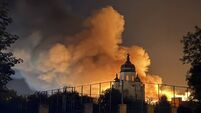
Suicide blasts kill German soldier
Peacekeepers opened fire on another vehicle after it travelled at high speed toward the scene of the attacks and failed to stop, killing all three people inside, said a local police commander, Pashtun.
It was not clear if it had been an attempted third bombing. Security forces cordoned off the area and kept people from approaching the vehicle, fearing it might explode.
A purported Taliban spokesman claimed responsibility for the attacks, although his exact link to the rebel leadership was uncertain.
The attacks come amid the deadliest year of rebel violence since the ouster of the Taliban in 2001, with almost 1,500 people killed nationwide.
The latest blasts underscored the challenge US-backed President Hamid Karzai faces as he struggles to shore up his nation's fledgling democracy and added to fears that insurgents in Afghanistan are copying tactics used in Iraq.
Kabul patrolled by thousands of NATO peacekeepers is regarded as one of the country's safest places, despite a flurry of kidnappings of foreigners over the past year. A suicide bombing in late September killed nine people outside an army training center.
The last major attack on the peacekeepers in the capital was in October 2004, when a militant detonated grenades strapped to his body on a shopping street, wounding three Icelandic security personnel and killing an American translator and an Afghan girl. That came two months after a car bomb tore through the office of a US contractor providing security for Karzai, killing 10 people.
Militants have conducted eight suicide bombings nationwide in the past two months.
Though there is no known link between the violence and foreign militants, senior Afghan officials have spoken in recent months of al-Qaida operatives entering the country to stage assaults, mostly from neighbouring Pakistan.
The two bombings Monday occurred within 90 minutes of each other on a 500-yard stretch of road near the headquarters of organisers of last September's legislative elections.

CONNECT WITH US TODAY



Be the first to know the latest news and updates