Fatal neglect that led to decades of misery
But there was to be no escape for them and thousands more like them from a toxic chemical cocktail which blanketed their impoverished community.
Devi watched as her children foamed at the mouth and vomited. Then, suddenly, she could see no more, and was unable to open her eyes for the next ten days. Her husband later died of bladder cancer.
Now Devi, like many Bhopal survivors, is a campaigner for justice as, 20 years after the world’s worst industrial accident, a second deadly wave of sickness and despair spreads through the makeshift shacks which surround the abandoned, and still toxic, Union Carbide plant.
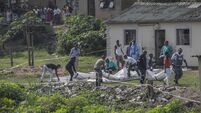
It was five minutes past midnight on December 3, 1984, when 40 tonnes of methyl isocyanate, a derivative of the phosgene gas used as a chemical weapon in World War 1, erupted from a storage tank in the Union Carbide pesticide plant. Within minutes, terrified residents were clawing at their throats and choking on their own vomit.
It was revealed later that four separate safety systems in the controversial plant had failed, spewing poison over the sleeping population. Within hours, thousands had died, and many more crowded into hospitals desperate for help.
Yet Union Carbide had been warned an accident was waiting to happen at their plant. But declining profits from the Sevrin pesticide manufactured there had resulted in drastic cost-cutting measures, and a lack of interest in the future of the failing plant.
In February 1989, Union Carbide offered to pay $470 million in compensation in full and final settlement, provided the Indian government agreed not to pursue the company or its chairman Warren Anderson any further.
This was six times less than was initially claimed, yet lawyers for the Indian government accepted, providing little consolation to Bhopal’s thousands of victims. But not everybody was short-changed. The settlement sent Carbide’s stocks up $2, and prompted Anderson to announce the Bhopal disaster meant “a loss of 48 cents a share”.
“Because Union Carbide wanted to reduce costs, they cut back on vital safety systems” says Satinath Sarangi, a former engineer who works with the Sambhvana Trust, which provides a comprehensive range of services for survivors.
“There were seriously and grossly under-designed safety systems. And some of them were turned off.
“Gases leaked and covered almost the entire city. Some 500,000 people were exposed and between 120,000 to 150,000 continue to be ill. People continue to die today. And still the site has not been cleaned up.”
Earlier this year, Ryan Bodanyi, a representative of the Students for Bhopal Organisation, visited the area. He gave a chilling account of how dangerous the site still is.
“I walked through huge warehouses filled with thousands of leaking sacks and the sickly sweet smell of chemicals. One corner was stuffed with sacks of DDT. Loose pesticide crunched underfoot, the plant was a mass of rusted piping. One tank had utterly disintegrated and belched out solid cakes of pesticide.”
Campaigners say the overall death toll exceeds 20,000. Half a million more people are believed to be debilitated by chronic illness.
Those numbers are expected to grow.
Tests of water in the slums surrounding the site have shown contamination levels 500 times higher than the maximum recommended by the World Health Organisation. Too late for many, attempts are finally being made to clean the supply up. Greenpeace estimates decontaminating the site would cost $300m.
“In addition to the long-term complications of the diseases caused by exposure in 1984, people today suffer from TB and other infectious diseases caused by their weakened immune systems,” Sarangi explains. “Lung, oesophagus and other cancers are rising, and young women who were exposed to toxic gasses while in their mothers wombs suffer menstrual irregularities.”
The city’s miscarriage rate is seven times the national average, and every day, more than 4,000 people seek treatment for gas-related ailments.
“Warren Anderson (chairman of Union Carbide) was arrested on December 7, then released after he signed a bail bond for 25,000 rupees which is about $500. He was charged with manslaughter, grievous assault, killing and poisoning of animals, but he left India, and he has never come back,” says Sarangi.
Anderson retired to Florida in 1986. Following complaints filed against him by victims’ organisations and an international Interpol warrant, he left his home address.
Union Carbide was purchased by Dow Chemicals in 2001. Dow maintains the case was resolved in 1989, when Union Carbide settled with the Indian government.
The Indian government reinstated manslaughter charges against Anderson in 1991, but in July, the US state department rejected India’s extradition requests on technical grounds.
Union Carbide insists the matter is closed, and the company bears no liability for cleaning the site since it sold up and left India.
An estimated 99% of the victims received the equivalent of about $570 more than a decade ago. They are due another such payment shortly. One claimant indicated just how far such a meagre award really goes.
“For my father’s death we got 100,000 rupees ($2,000). But 20,000 went to the lawyers, 10,000 to the doctors, and then we had to pay a bribe to cash the cheque.
“We are only just beginning to see the effects of what the gas did to the human body,” says Sarangi. “One of the problems we have now is shorter children, with smaller heads. Unfortunately, there is very little official reaction to another generation’s suffering.”
20,000: Estimated number of deaths.
500,000: Number exposed to poison.
150,000: Number affected by debilitating illness.
48: Number of cents Bhopal stock dropped.
40: Number of tonnes of poisoned gas released.
470,000,000: Total settlement in dollars.
500: Times higher water is contaminated compared to WHO norm.
300,000,000: Estimated cost of decontaminating site in dollars.
300: Amount in pounds received by 99% of victims to date.
Seven: Times national average of miscarriages.
CONNECT WITH US TODAY



Be the first to know the latest news and updates