Death toll at 52 as city returns to work
Another 56 remain in hospital, some severely injured.
Forensics experts have warned that it could take days or weeks to put names to the bodies, many of which were mangled in the blasts.
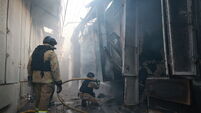
Authorities said retrieving the bodies of victims killed in Thursday's rush- hour attacks continued to be a laborious process, with workers still pulling corpses from a mangled Underground train deep beneath the streets of the capital.
Prime Minister Tony Blair, addressing MPs for the first time since the bombings, denounced what he called a "murderous carnage of the innocent" and saying the evidence pointed to Islamic extremists.
Mr Blair said no specific intelligence was available that might have helped authorities thwart the attacks, answering critics who have questioned the government's vigilance and readiness.
"Our country will not be defeated by such terror," he told the House of Commons.
"We will pursue those responsible wherever they are and will not rest until they are identified and... brought to justice."
The Prime Minister told a sombre House of Commons that the police investigation into the attacks last Thursday was "among the most vigorous and intensive this country has ever seen."
Metropolitan Police Commissioner Ian Blair said that the death toll would still rise. However, he said the fact that more 70 family liaison officers (FLOs) had been appointed to help relatives of the missing did not mean that that was the number of people who had died.
As the hunt for the bombers continued police were X-raying bodies to see if any bomb parts or timing devices, which could be vital clues, were embedded in them.
Detectives have also seized 2,500 CCTV tapes, although it is believed there is a problem with the footage from the No 30 bus.
Transit officials said the number of passengers using the system Monday morning was back to normal. However, a few sections of the Underground system remained closed, and the number of shoppers in central London has fallen by about 25% since the attacks.
Underscoring how tense London remained, police closed several streets where most government offices are located including Parliament, the Foreign Office, and 10 Downing Street for about a half-hour Monday after a suspicious package was found. It contained no explosives.
Mayor Ken Livingstone took the Tube to work yesterday to send the message that Londoners should "carry on".
"We don't let a small group of terrorists change the way we live," he said.