16 killed in Iraq on third anniversary of US-led invasion

IRAQ marked the third anniversary of the US-led invasion with a fresh spate of killings, a deadlock over the new government and warnings of civil war as Shi’ites gathered in the south for a major religious ceremony.

16 killed in Iraq on third anniversary of US-led invasion

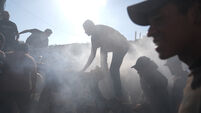
Sixteen people were killed in attacks around the country in a reminder of the endemic violence that has convulsed Iraq since the fall of Saddam Hussein's regime and jeopardised US plans to install a showcase Arab democracy.

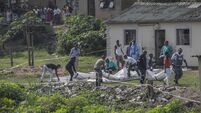
In Baghdad, nine corpses, showing signs of torture and gunshot wounds, turned up around the city in what has become a daily ritual following the February 22 dynamiting of a Shi'ite shrine in Samarra that ushered in a wave of sectarian violence.

US and Iraqi forces, meanwhile, were on high alert to avert Sunni extremist attempts to trigger renewed outbursts of communal strife by targeting four million Shi'ite pilgrims descending on the shrine city of Karbala for a major ceremony coinciding with the war's anniversary.

Officials said that 500,000 pilgrims had been streaming daily in and out of Karbala, where the commemoration of the death of Imam Hussein, grandson of the prophet Mohammed and a defining Shi'ite figure, reached its peak yesterday.

Thousands of policemen and soldiers guarded the approaches to town and searched those entering it.

Shi'ite pilgrims walking south to Karbala have been repeatedly shot at over the past week, with almost a dozen killed and scores wounded, including five wounded on Monday.

At least 33,000 Iraqis have died in the violence since US-led forces started bombing Baghdad on March 20, 2003, according to the Internet site Iraq Body Count which tracks Iraqi casualties.

Outgoing Prime Minister Ibrahim al-Jaafari expressed optimism about his country's future yesterday, disagreeing sharply with his predecessor.

"The road ahead will be tough but the Iraqi people have demonstrated their bravery, determination and resolve," Jaafari wrote in an article in the Washington Post.

As violence continued, political parties remained bogged down in talks three months after national elections, with disputes over the choice of prime minister and the allotment of ministries.

After agreeing on the formation of a National Security Council composed of all major political parties but not on its exact powers the factions have postponed negotiations on a new government until next week, a Kurdish negotiator said yesterday.

More in this section

Cookie Policy Privacy Policy Brand Safety FAQ Help Contact Us Terms and Conditions

© Examiner Echo Group Limited