Iraq has not increased help since UN report, says Blix
Mr Blix said there was also no evidence to suggest the Iraqis were granting inspectors greater access to key scientists they want to interview regarding Iraq's alleged arms programmes.
But he said there was still time for Iraqi President Saddam Hussein to co-operate.
"They can still do it, and if I saw any sign of that, I would also plead for longer time for inspections," Mr Blix said.
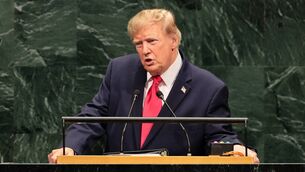
US President George W Bush said yesterday he will give diplomacy "weeks not months" and said the US would welcome Saddam Hussein going into exile.
"For the sake of peace, this issue has to be resolved," the president said in the White House amid intensified administration efforts to increase pressure on reluctant US allies to disarm Saddam.
The Russian military believes Mr Bush will announce a decision to launch a war on Iraq within three weeks.
A source told the Interfax news agency that Washington will make a formal decision to conduct a military operation immediately after the US military and its allies create "battle groups" in the region, which will take two or three weeks.
The war in Iraq could start sometime during the last 10 days of February, said the source a senior member of the General Staff of the Russian Armed Forces.
Mr Bush yesterday closed ranks with allies supporting his hardline against Saddam Hussein as the White House lashed out at critics, accusing them of "doing nothing about a growing menace."
Spokesman Ari Fleischer fought back against mounting opposition as Mr Bush began a flurry of diplomatic activity that could pave way to war in February or March.
Mr Bush held talks with Italian Prime Minister Silvio Berlusconi and the Saudi Arabian foreign minister 24 hours before his critical Camp David summit with British Prime Minister Tony Blair.
The British and Italians are among Mr Bush's staunchest supporters while a number of US allies, including France and Germany, want to give UN weapons inspectors more time in Iraq.
The US administration said Mr Bush's eleventh-hour round of diplomacy will last "weeks, not months".
Senior administration officials said while the timetable could change in the Iraq stand-off, Mr Bush intends to continue the consultation period until February 14, when UN weapons inspectors give the Security Council an update on the situation in Iraq.
Mr Fleischer pointed to a letter by eight European leaders reiterating their support of Mr Bush
Responding to a bitter personal attack on Mr Bush by former South African president Nelson Mandela, a White House spokesman said: "The president expresses his gratitude to the many leaders of Europe who obviously feel differently".
Mr Mandela said Mr Bush was arrogant, short-sighted and implied he was a racist.
Meanwhile, Mr Blair last night urged the international community to keep its nerve and face down Saddam Hussein.
Arriving in Madrid at the beginning of a diplomatic mission in which he is bidding to build support for possible military action against Iraq, he said it was vital that the will of the UN was enforced.
"We have to stick to the strategy we have laid out, which is very clear," Mr Blair told reporters travelling with him.
"There has been plenty of opportunity for Saddam to comply with the weapons inspectors. He has not done so at the moment."
Mr Blair added: "I believe that the international community will follow through on what it agreed on (UN Security Council resolution) 1441.
"I don't see what possible reason there is for anyone in the international community to move from that position."