Garda scandal - Whistleblower did a real public service
A scandal is brewing over reports some high-profile people had penalty points for road traffic offences dropped. In a republic, everybody is supposed to be equal before the law, but there were allegations that some people were being favoured in such matters.
A Garda report published in May dismissed many of the allegations and suggested that the cancellation of points was a relatively minor issue. Last month, the Comptroller and Auditor General (C&AG) disclosed that the culture of erasing penalty points was more widespread than had been predicted, but his alarming report attracted little attention.
His report was compiled with the help of disclosures from a whistleblower. The Garda Síochána Act 2005 allows for disclosure to the C&AG, and there were no objections to those disclosures.
Whistleblowers have challenged the manner in which the unacceptable culture of erasing penalty points has been played down. A whistleblower within the Garda force handed over extensive files to John McGuinness, the chairman of the Dáil’s Public Accounts Committee (PAC), on the basis that the cancellation of the offences had cost the exchequer a substantial amount of money.
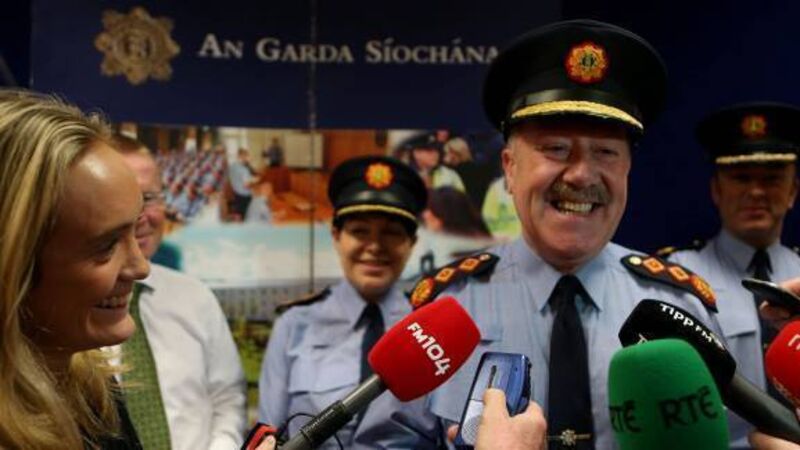
Garda Commissioner Martin Callinan has demanded the return of those files. He also complained to the data protection commissioner, which warned Mr McGuinness that possession of these files may be a breach of the Data Protection Act.
It would seem, however, that Mr McGuinness has the law on his side. The Data Protection Act 1988 specifies that data may be disclosed “if required for the purpose of preventing, detecting, or investigating offences, apprehending or prosecuting offenders of assessing or collection of any tax, duty, or other moneys owed or payable to the State”.
In addition, the Garda Síochána Act 2005 entitles individual gardaí to reveal confidential information to “a member of either of the Houses of the Oireachtas where relevant to the proper discharge of the member’s functions”. In this instance, the whistleblower provided the information to the chairman of the PAC, who has a responsibility for keeping an eye on public monies.
It would seem the whistleblower did a real public service. Even Justice Minister Alan Shatter seemed to encourage that if the whistleblower’s depiction of the material was accurate, he should put it into the public domain. Thus, there are grounds for suspecting that the whistleblower is more in command of his responsibilities and powers than Mr Callinan. Transport Minister Leo Varadkar described the whistleblower as a highly credible individual, which is more than can be said for those who have tried to downplay this disgraceful situation.
The longer this scandal drags on, the more it calls into question the credibility of the gardaí to investigate themselves.
CONNECT WITH US TODAY



Be the first to know the latest news and updates