Enzo Maresca forgot Chelsea’s golden rule: the manager does not call the shots
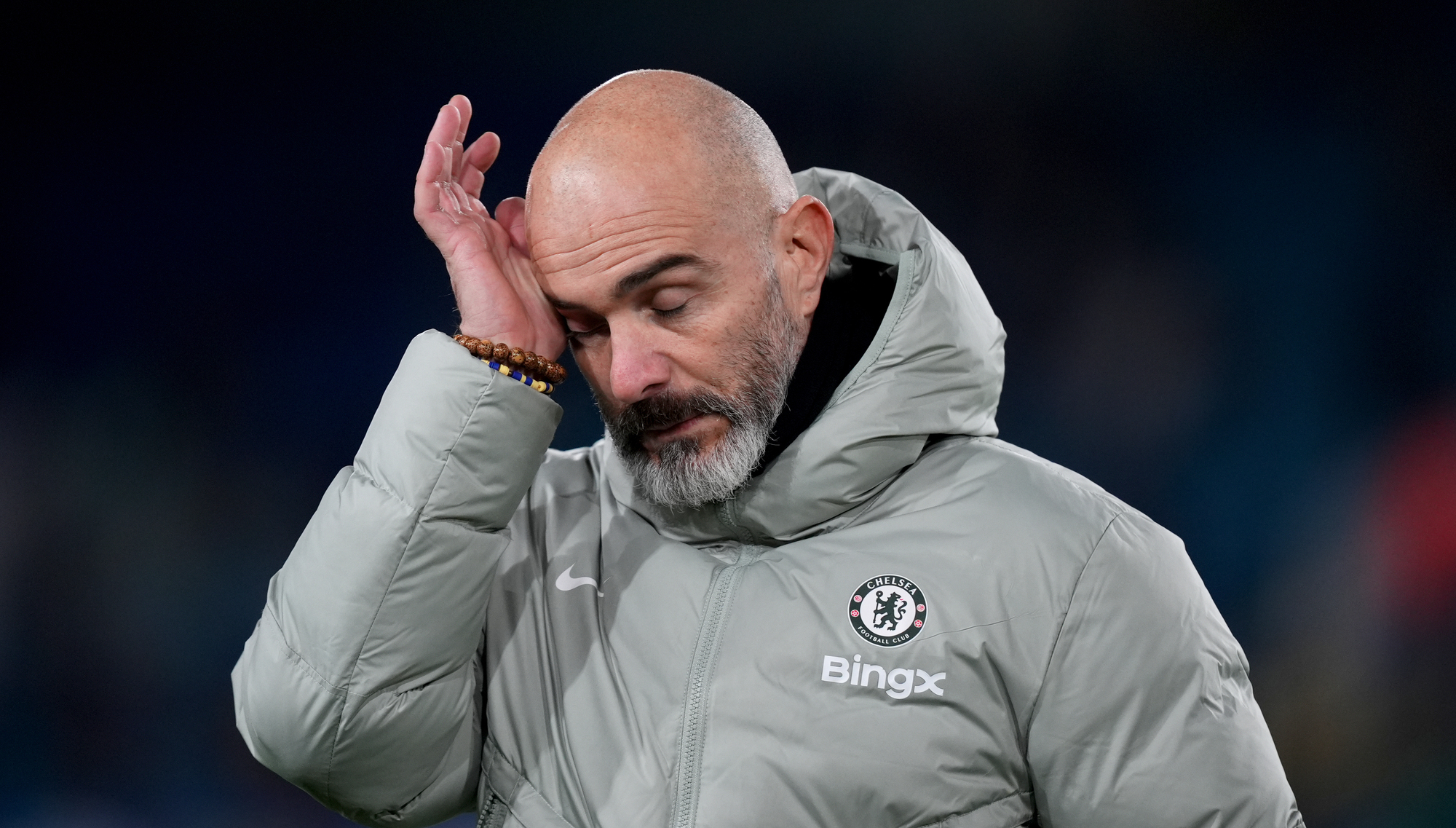
Departing Chelsea manager Enzo Maresca.
It was late on New Year’s Eve when Chelsea’s patience ran out. They knew that Enzo Maresca was attempting to engineer an exit from the club and now they were ready to call his bluff. Midnight was approaching and the fireworks at Stamford Bridge were about to erupt.
A baffling story soon had a familiar, predictable ending. Maresca, who is not the first manager to run out of friends at Chelsea, had taken the provocations too far. There was surprise when he told staff that he did not want to conduct his post-match press conference after the disappointing 2-2 draw with Bournemouth on Tuesday night. The official explanation was that Maresca was too unwell to talk in public, despite having just spent the evening coaching on the Stamford Bridge touchline, but the friction was palpable and it was never going to sit well with the Chelsea hierarchy when it took less than 24 hours for reports to emerge that the sickness line was a red herring and their head coach had actually decided not to meet the media because he needed time to consider his options. It was further confirmation that this was someone who wanted to be sacked. Maresca dared Chelsea to act and will have been the least surprised person in the world to find himself unemployed less than a day into 2026.
This is where it was heading from the moment Maresca started his rebellion against the Chelsea project after last month’s otherwise unremarkable win over Everton. The 45-year-old was asking for trouble when he made those cryptic comments about experiencing his “worst 48 hours” at the club. Chelsea hated the volatility. After the 2-2 draw with Newcastle on 20 December, one source said Maresca’s position would quickly become untenable if he kept acting up.
It is not as if Chelsea had peak José Mourinho or Thomas Tuchel in charge. Maresca is talented but imperfect. He is in his third year of management and his behaviour has betrayed his inexperience. There were wry smiles when Maresca talked about his love for the fans and thumped the badge on his chest after beating Cardiff City last month. Sources have claimed that Maresca tried to use interest from Juventus and Manchester City this season as leverage for a new deal. The brazenness infuriated Chelsea.
It has been a sharp decline since they were talked up as title contenders at the end of November. A subsequent run of one win in seven league games did not go down well given Maresca’s antics, while concerns over his tactical choices have grown because of Chelsea dropping 20 points from winning positions in all competitions this season. Other issues include fans struggling to warm to Maresca’s cautious, positional-based game. Chelsea have been exhilaratingly direct against tough opponents but they have often been ponderous against deep defences. They could not beat Ipswich last year and have dropped points at home to Brighton, Bournemouth, Crystal Palace and Sunderland this season.
For his part, Maresca felt a young squad was not good enough to challenge on four fronts. He did a fairly good job after replacing Mauricio Pochettino in the summer of 2024. He guided Chelsea back into the Champions League before ending his first season by winning the Conference League and Club World Cup. He leaves with Chelsea in fifth place in the league and still in the FA Cup and Carabao Cup. Yet cracks appeared when the Italian responded to losing Levi Colwill to a knee injury before the start of the new season by demanding a new centre-back. This is not a club where the manager calls the shots. Chelsea are not going to change a structure with a focus on buying young players on long contracts. They trust the recruitment team, Paul Winstanley, Laurence Stewart, Dave Fallows, Joe Shields and Sam Jewell. Behdad Eghbali, the co-controlling owner, is a leading voice in club strategy.
Yet Maresca felt there was too much interference from above. It has emerged that his comments about not receiving support from “many people” before the Everton game related to tension over advice on load management from the medical department. Chelsea maintain that Maresca has never been told what tactics to use. The idea he had no say in recruitment is also laughed off. What Chelsea did want Maresca to do, though, was rotate. They were scarred by a heaving treatment room under Pochettino in the 2023-24 season. They modernised the medical team and tried to ensure that fragile players such as Reece James, Pedro Neto and Wesley Fofana have been able to cope with the rigours of a packed calendar.
For Maresca the problem is that some of his best players are those who struggle to play multiple games in a short space of time. Cole Palmer has fallen into that category because of a groin issue this season and Maresca faced external criticism after rotating during defeats to Leeds and Atalanta last month. Injuries to Roméo Lavia and Dário Essugo have led to an overreliance on Moisés Caicedo and Enzo Fernández in midfield. João Pedro has had to play too much because of Liam Delap’s stop-start season.
But rotation was the policy throughout Maresca’s 18 months in charge. Why only challenge it now? The theory is that Maresca, who was booed by supporters when he substituted a tiring Palmer against Bournemouth, could not handle the outside noise. Chelsea, though, were fine with him resting players if it kept them fresh. When they actually had a problem it was because James had played three full games in a week last month.
Yet Maresca dropped hints about not believing in his backup players. He questioned whether Andrey Santos was ready to start when Caicedo was suspended last month. He talked about Chelsea’s lack of experience after the draw with Newcastle. It was another red flag. It is true that Chelsea remain too inconsistent for a title challenge but they have a talented team and do not want their head coach to question it.
Chelsea did not like Maresca being touted as a potential replacement for Pep Guardiola should he leave City at the end of the season. It has since emerged that Maresca informed his bosses that he had spoken to people associated with City about replacing Guardiola on three occasions this season. The pieces have fallen into place.
Timing is everything: Chelsea visit City without Maresca on Sunday. They are likely to turn to Liam Rosenior, manager of Strasbourg, their partner club. When it comes to the PR war, Maresca’s supporters will argue that Pochettino, Tuchel and Graham Potter all struggled to work within Chelsea’s setup since the takeover by Todd Boehly and Clearlake Capital, the private equity firm run by Eghbali and José E. Feliciano.
But Maresca toed the line until it was convenient to do otherwise. He had just led Leicester to the Championship title when Chelsea came calling. His stock is higher now and he is hoping to capitalise. Time will tell if Maresca, seen as a mini Guardiola, has played the game well enough. Wherever his career takes him next, though, Chelsea have no regret over seeing him go.


CONNECT WITH US TODAY



Be the first to know the latest news and updates