Euro 2024: Your guide to Groups A and B one month out from the tournament kick-off
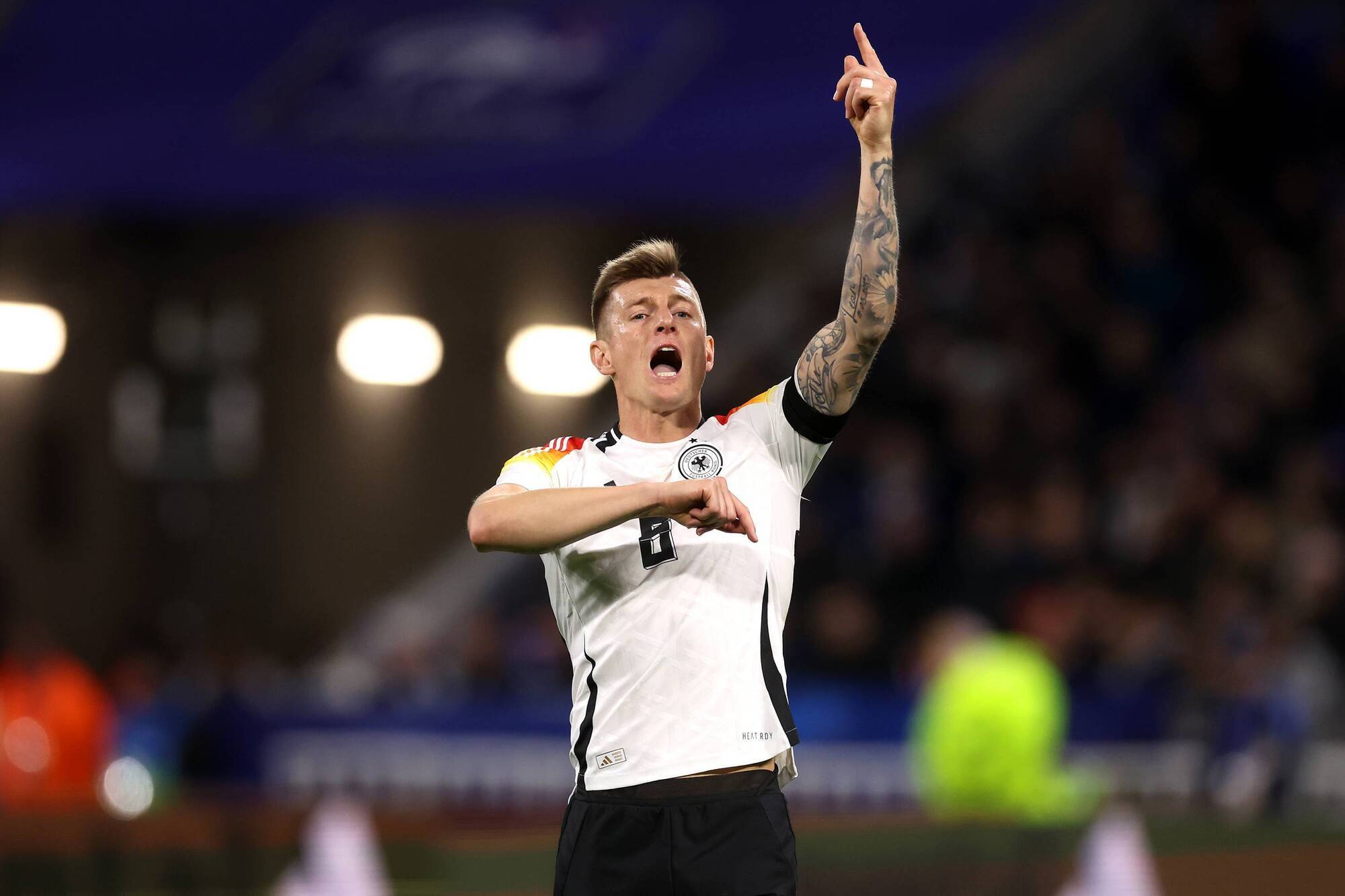
BACK IN THE FOLD: Toni Kroos will start in a home tournament for Germany. Pic: Alexander Hassenstein/Getty Images)
Last week’s Eurovision afforded Ireland a sense of solidarity with the continent but the upcoming Euros – kicking off a month today – will only emit anguish from absence.
Doubtless Armenia and Athens feature in chat groups and conversations as reasons for Ireland failing to be among 24 European nations.
And yet the sight of a summer tournament, in Germany no less, offers a teaser of what the eventual new era could aspire to.
Not since Euro 2016, Ireland’s last tournament appearance, has this event felt so touchable.
There were the World Cups in faraway Russia and Qatar, sandwiched in between by the delayed Euros fragmented across 10 nations, many restricted by the remnants of the pandemic.
Gelsenkirchen and Stuttgart will be familiar venues to Irish fans from that maiden 1988 voyage, two of 10 stadiums selected to stage the 51 games.
It starts with hosts Germany facing Scotland in Munich on Friday, June 14 – ending exactly a month later in the Olympiastadion in Berlin.
Corkers abound during a group stage, churning out three games for most days, two occasionally, and a pair of simultaneous daily pairs for the final series.
Spain against Croatia on the second day, Saturday June 15, England’s meeting with Denmark on Thursday June 20, followed by Netherlands against France the day after represents just a sprinkling of standouts.
Over the next three Tuesdays, we’ll provide a weekly insight into a couple of groups in alphabetical order.
As Ireland is aware from eight years ago, third place will be sufficient in four of the pools to join the top two from each of the six to form part of the last-16 round.
For a team that didn’t require qualification, there’s been quite an uncharacteristic chaotic build-up for the Germans. Last September, Hansi Flick gained notoriety by becoming the first manager sacked since the role was established 97 years previously. Three successive defeats, albeit friendlies, saw Flick make way for Julian Nagelsmann, as he did at Bayern Munich, and they rediscovered their mojo by winning four of their seven warm-up matches, two against France.
Even with Toni Kroos accentuating the home element by coming out of international retirement, the Real Madrid maestro will be tested. Scotland, first up, topped their Nations League and beat Spain and Norway on their way to qualifying for the Euros with two games to spare. Seven winless games since, including four defeats, has punctured their momentum but the trio of Andy Robertson, John McGinn and Scott McTominay possess the quality to counterbalance a lack of it at either end, in goal and attack.
Hungary have an excellent tournament pedigree in their third successive Euros. Injury kept Dominik Szoboszlai out of the last one they co-hosted three years and the golden boy has become a man by captaining the team at 23. Unquestionably, he’s their fulcrum and his first year at Liverpool solidified that mantle.
Similar appraisal applies to Switzerland. Nothing spectacular is expected from Murat Yakin’s troupe but the same was forecasted in 2021 and they still reached the last-eight. If their recent trip to Dublin is a pointer, much will depend on Granit Xhaka and Xherdan Shaqiri, almost a year older at 32. Scope for a splash is limited so don’t expect a Eurovision victory lap.
: Florian Wirtz - Lansdowne Road will showcase one of Europe’s top talents in the Europa League final next Wednesday, the 21-year-old integral to Bayer Leverkusen’s treble quest. Battled back from an ACL rupture to sparkle into the attacking midfielder credited with 18 goals and 19 assists.
By time the June 4 friendly is completed, Ireland will have faced all bar Germany from this group in the past two years. That 3-0 stroll in the sun over Scotland seems so much farther into the distance.
Germany, Switzerland, Hungary. Scotland.
A pool laced with three of the top 10 teams in the world, joined by surprise packets situated in 66, has already caught the attention of those observing and trekking to Germany. Spain (eight in Fifa rankings), holders Italy (9) and Croatia (10), along with outsiders Albania, is the undisputed Group of Death.
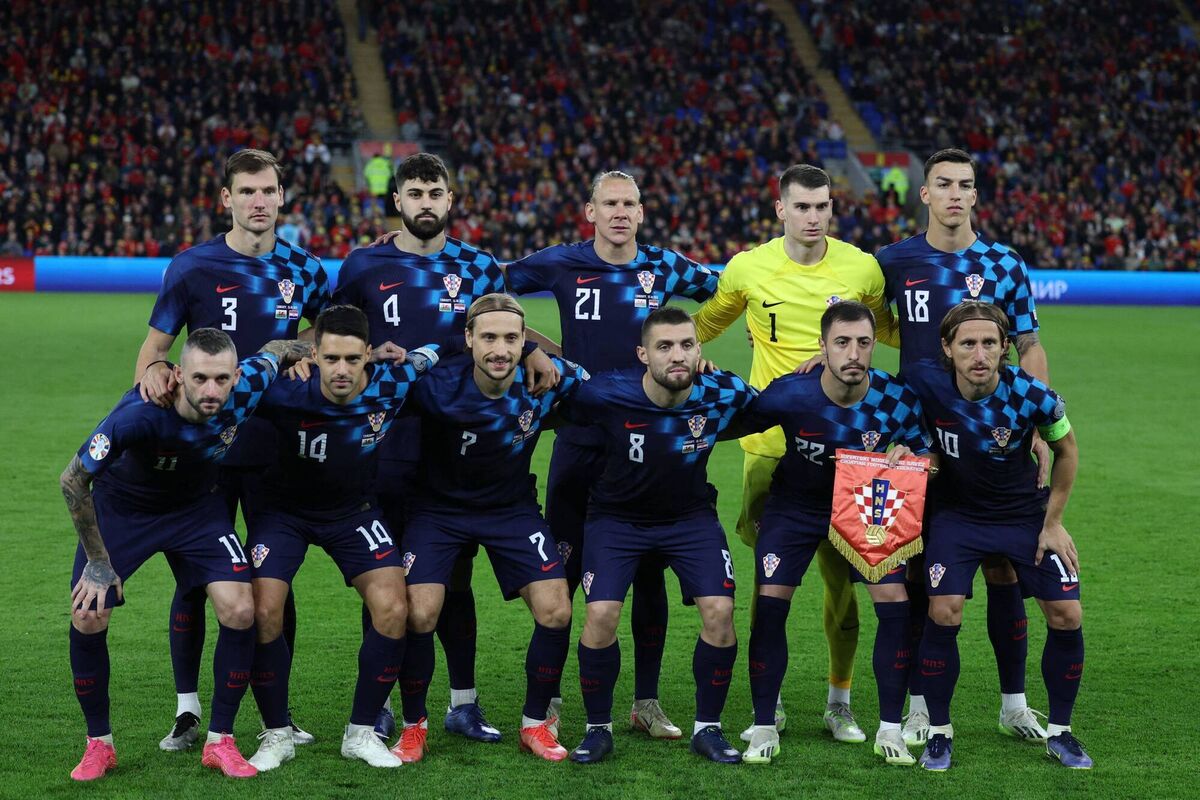
Long gone is the Spanish dominance of claiming three tournaments on the spin, including the Euros of 2008 and 2012, but are still gilded by generational talents in the likes of Rodri, Lamine Yamal and Gavi, although the timer appears to have run out on the latter making a miraculous recovery from the serious knee injury sustained last November. Croatia were the last time to automatically qualify by pipping Wales and while they’ve finished in the top three of the last two World Cup, the Euros haven’t seen them past the last-16 since 2008. Luka Modrić, turning 39 in September, up against some of his Real Madrid colleagues for Spain promises to be seminal. He’ll have a powerhouse in Mateo Kovačić flanking him too.
Former Arsenal player Sylvinho has led Albania to their second major tournament, clinching top spot following victories over Poland, Czech Republic and Moldova during a campaign that had just four goals in the conceded column. Backboned by Serie A duo Berat Djimsiti and Elseid Hysaj, they are an impressively well-oiled machine capable of frustrating the most exalted of opponents. They deservedly held second seed status in the draw and won’t be daunted by the might of their neighbours Italy in their opener at a packed 80,000 Dortmund stadium. The Italian are sixth favourites, sure to relish being written off. They’ve missed out on the last two World Cups and lost twice in a qualifying group won by England but only a fool would overlook the Azzurri.
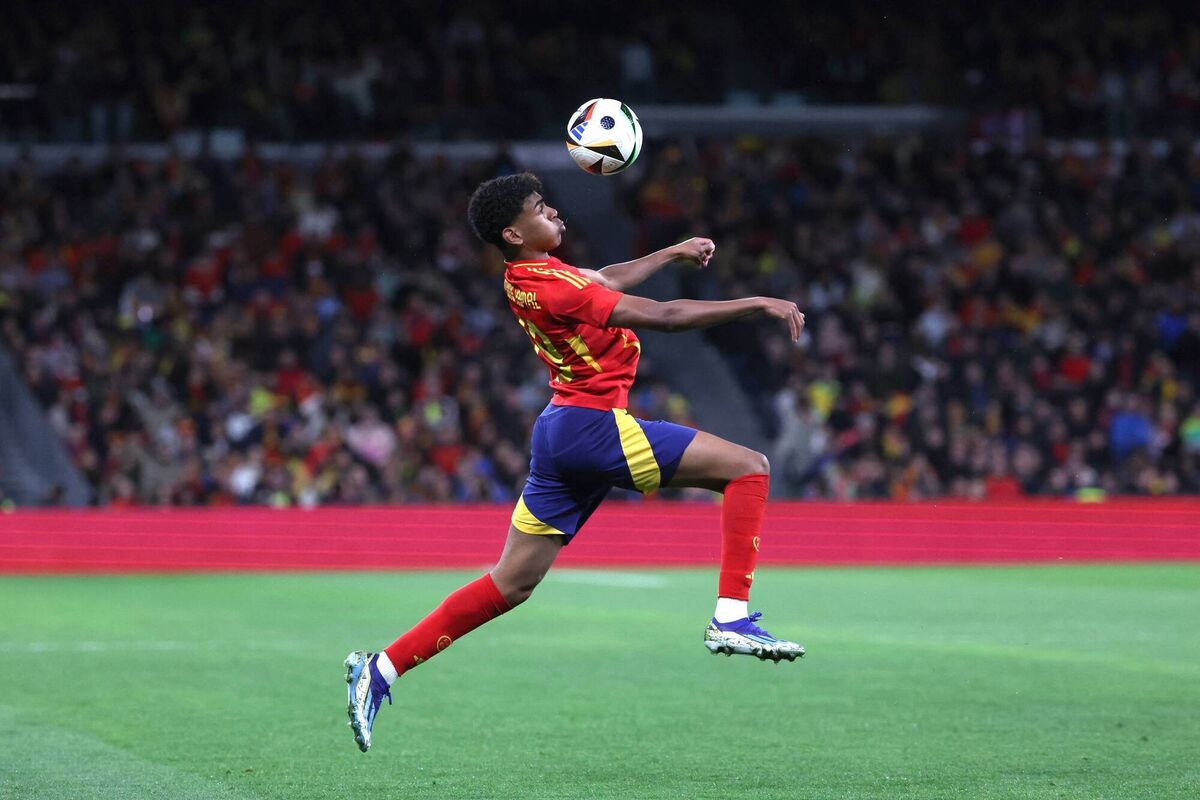
: A few candidates here, principally Tottenham’s full-back Destiny Udogie had the Italian not sustained a season-ending injury last month but his fellow Premier League debutant Joško Gvardiol is the worthy victor. While he became Croatia’s youngest-ever scorer at the last World Cup, the Manchester City defender is still only 22 and ideally placed to spearhead the country’s overhaul once this tournament triggers a glut of retirements.
: Next week marks the first anniversary of Spanish wonderkid Lamine Yamal producing a masterclass to end Ireland’s involvement in the Euro U17 finals at the quarter-final stage. His trajectory has soared one way, smashing all sorts of records for Barcelona and La Roja. The silky winger turns 17 on the eve of the finals. Wow.
Spain, Croatia, Italy, Albania.
CONNECT WITH US TODAY



Be the first to know the latest news and updates