23 important dates for Irish football in 2023
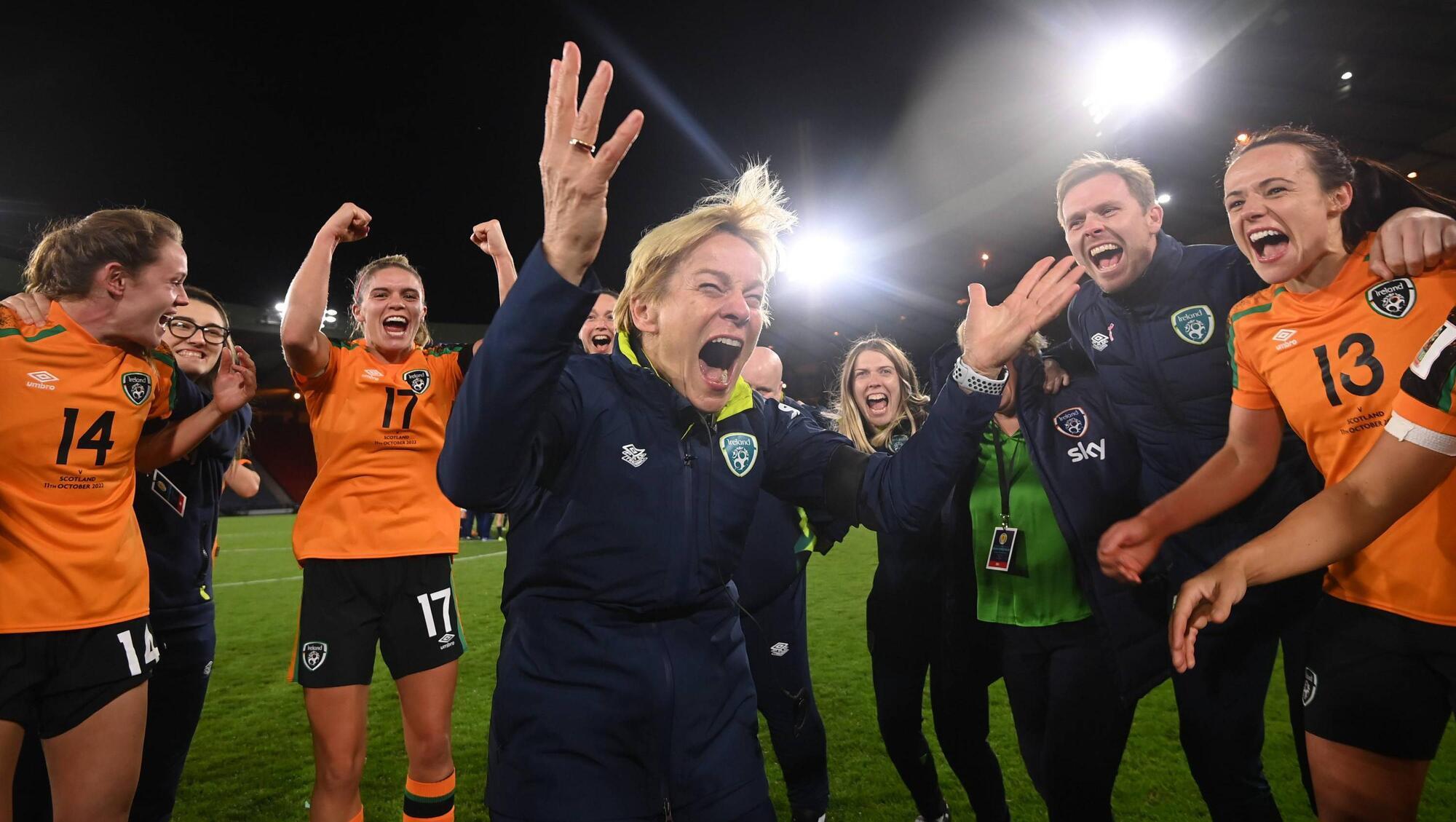
BIG YEAR AHEAD: Republic of Ireland manager Vera Pauw celebrates with her players after the FIFA Women’s World Cup 2023 play-off between Scotland and Republic of Ireland at Hampden Park in Glasgow, Scotland. Pic: Stephen McCarthy/Sportsfile
Who knows what emotions Irish football will evoke in 2023 but one guarantee is it’ll be hectic.
The domestic seasons, with the women’s tier now officially semi-professional, operate in tandem on a calendar basis. While the crunch months for Ireland’s international teams can be circled as July for the women and November in the case of men.
There are still jagged edges of FAI politics to straighten out too, all contributing to a year when football will be at the frontier of Irish sport, good or bad.
If at first you don’t succeed, try again – and repeat. Delegates assembling at the Liffey Valley Clayton will want rid of last year’s business and no more technical hitches but the thrust is to expand their board’s female representation. The top brass can claim all they want that this exercise isn’t a sop to Government demands but the €65m debt hanging over ensures risking state grants is a non-starter.
Each case differs but Ireland cannot afford to have quality like Caoimhín Kelleher, Matt Doherty, Shane Duffy and Michael Obafemi starved of game-time. Moves from the club margins over the past year for Robbie Brady, James McClean and Jeff Hendrick better equipped them for international duty and the same will apply in the current cases of Jason Knight and Chiedozie Ogbene deserving higher stages. Ongoing interest from Swansea City for the latter is developing into an Irish plotline of the window.
Just a week after Uefa finally decides on a host, Ireland will discover their opposition for the next campaign. Jim Crawford brought an Irish team further than ever by losing a play-off for this summer’s final on penalties in Israel and several of that squad remain underage for this tilt. They include Joe Hodge, Festy Ebosele and Mipo Odubeko – along with senior caps Andrew Omobamidele and Troy Parrott, if they’re not required at the top. Their strong recent campaign may promote Ireland to Pot B for the draw.
St Patrick’s Athletic failed to build on last season’s showing in this curtain-raiser by seriously challenging champions Shamrock Rovers but Derry is a different proposition. Having the meeting of the league and cup holders at the Ryan McBride Stadium is a plus for regional fairness but the artificial surface does the national product no favours. Psychologically, the hosts will want to lay down a marker.
Both divisions get underway under the Friday night lights.
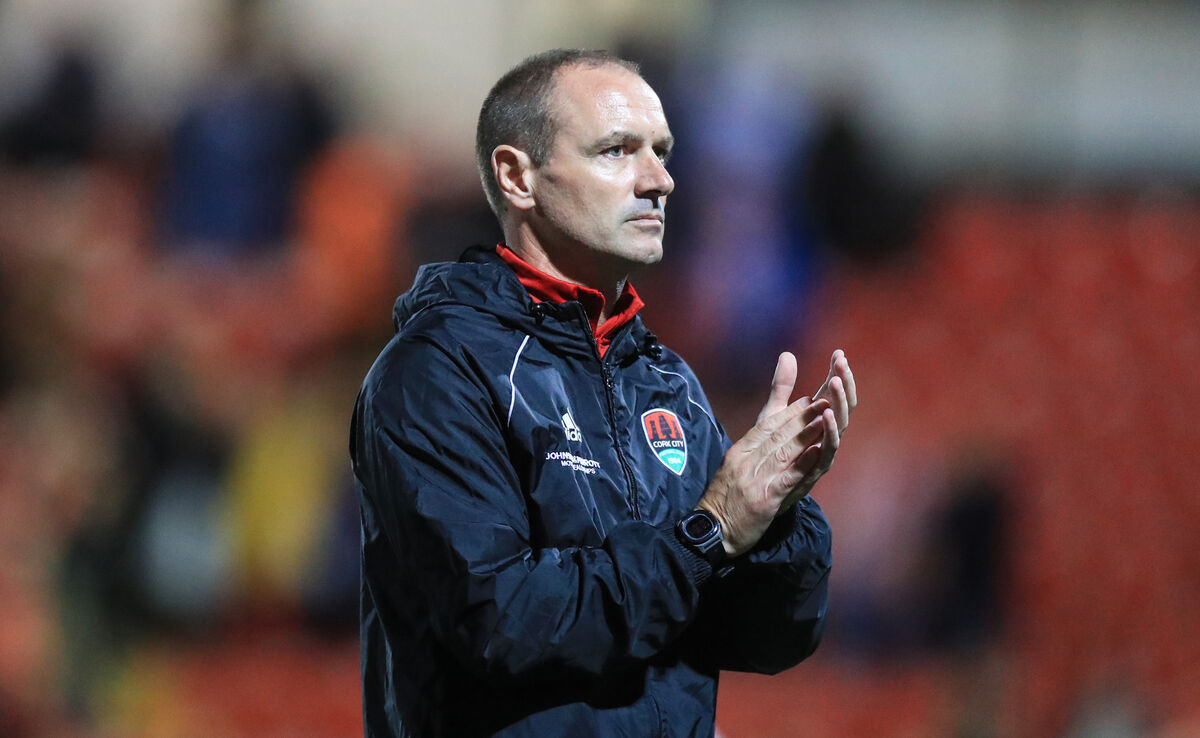
While Derry’s visit to St Pat’s catches the eye in the opening skirmishes, it’s the return of Cork City to the top flight after a two-year absence that dominates. Turner's Cross will be jammed for the visit of Bohemians, the level of opposition City ought to be sparring with if ambitions of crowning their Premier comeback with a top-half finish are to be accomplished.
Renamed the Women’s Premier Division under a broader rebrand, this is the first season in which players can be classified as professionals and receive a wage. It wasn’t before time and will likely cause a chasm in a division now featuring 11 teams arising from the return of Shamrock Rovers after an eight-year absence. The FAI want their elite female sides under the same umbrella as an LOI men’s club, heightening the challenge for Peamount United and DLR Waves in 2023.
Sparks are a certainty in this St Patrick’s weekend demolition derby of the double-holders and the club who’ve raided them for seven players in the off-season. Rovers backed up their aspirations for title success by tabling unprecedented contract offers – starting with Amanda Budden, the best goalkeeper in the league. Shels went overboard in their reaction but what happens on the pitch is what’ll deliver vindication either way.
Being part of a major underage tournament, be it the U17s, U19s or Toulon, has served our current batch of graduates well and Tom Mohan’s latest intake have a great chance of qualifying for the Malta-based finals in July.
Graced with gems like home-based pair Franco Umeh and Sam Curtis, alongside the European cohort of Kevin Zefi, James Abankwah and latest Celtic star Rocco Vata, they enjoy home advantage in the round-robin group. First up is Slovakia, followed by Estonia and Greece, in a pool devoid of Europe’s superpowers. Top spot is doable.
Rejoice in the real deal when the stakes skyrocket and the excuses must dissipate. All the slippages during the 30-match reign of Stephen Kenny will be forgotten if it leads to the ultimate objective of resurrecting Joxer’s trip to Germany 36 years on.
France – gold and silver medalists at the last two World Cups – being first up for Ireland offers a swift benchmark for mixing it with the best. A bumper crowd should alleviate the daunting task.
In contrast to their male equivalents’ easier route, the women must overcome the tournament’s most successful nation Germany in their opener and last year’s runners-up Norway on their own patch to achieve a first qualification since 2014.
Having senior defender Jessie Stapleton onboard would be a boost but Dave Connell has a wealth of talent, among them Cork duo Eva Mangan and Laura Shine along with Lia O’Leary.
Ireland’s quest, alongside the UK associations, was flagged early last year once Uefa encouraged the collective to afford Spain and Portugal a clear run at landing the 2030 World Cup.
Russia’s bid was rightfully given short shrift based on causing Uefa disrepute issues and serial losers Turkey may have to wait till 2032 to be taken seriously. That leaves UK and Ireland as favourites and they’ll whittle the stadia from 14 to 10 by the April cut-off, with the shell that is Casement Park in Belfast likely to perish.
Amid the euphoria of being on the brink of qualifying for the World Cup, Vera Pauw warned the onset of this new tiering system could make the feat a first and last for Ireland.
She decried the new concept, mirroring the men’s, as a closed shop for major nations to monopolise qualification and fears our status in the B League will drift Ireland onto the periphery.
There’s a symmetry to Ireland taking their major step a half century on from the smallest. Women had been represented on the international stage – Dundalk travelling to Wales in 1970 and a team representing the Jeyes Fluid factory trekking to France – but it wasn’t until the Women’s FAI were formed that a game entered the records. The legendary Paula Gorham franked the breakthrough by scoring a hat-trick in the 3-2 win away to Wales.
Irish fans contend for wishful-thinking gold medal honours when it comes to Robbie Keane heirs but the steady, and now spectacular, ascent of Evan Ferguson is a joy to behold.
Officially the youngest Premier League goalscorer for Ireland and Brighton since the strike against Arsenal, his is the story to monitor for faith in arresting our top-flight demise to blossom. We can only pray that by the final day at Aston Villa the 18-year-old is a regular element in the Seagulls’ attack.
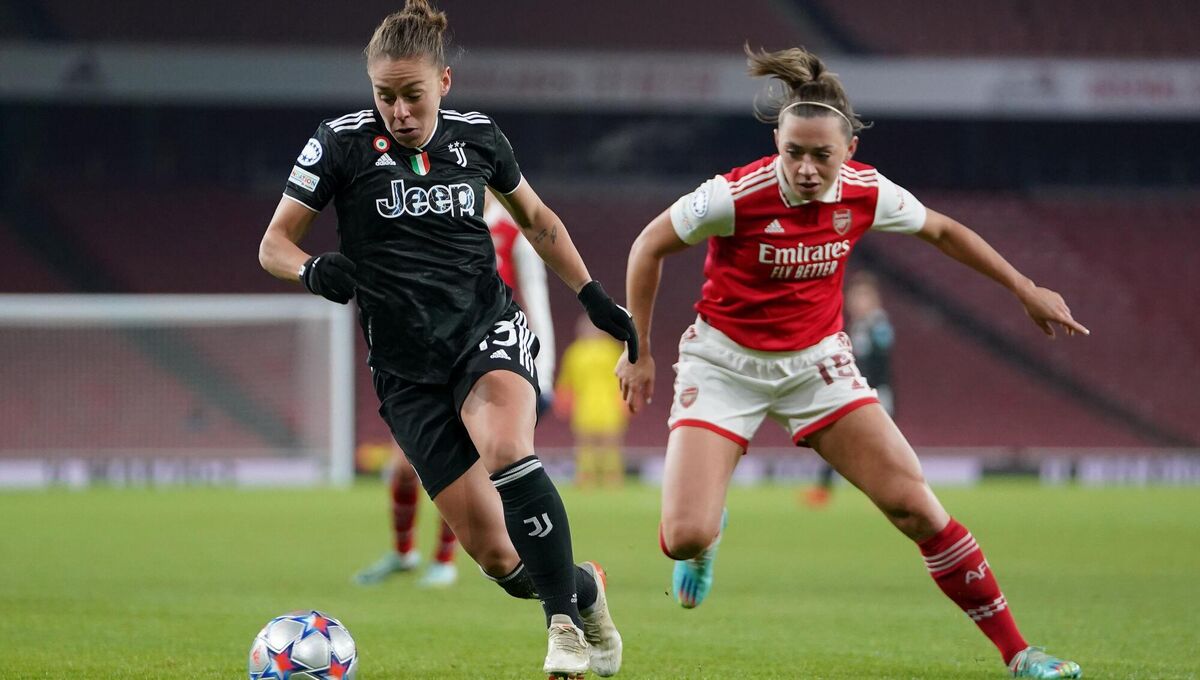
Early days yet but could Arsenal and its Irish presence rule Europe again 16 years on? Not since Emma Byrne, Ciara Grant and Yvonne Tracy backboned the Gunners triumph has an English side prevailed in the premier competition. They’ve been the barnstormers of the campaign so far, brushing off Lyon 5-1 away from home, and on February 10 will find out their unseeded quarter-final adversaries. Injuries to Beth Mead and Vivianne Miedema cloud their prospects but it could be an opportunity for Ireland captain Katie McCabe to emulate her international strides with the most coveted club prize of all.
Lower seeds Luxembourg, Azerbaijan and Armenia have rattled the Kenny era most in competitive fare and Greece share the profile of banana skins, albeit armed with better history. Gus Poyet’s side will only have met Gibraltar before they host Ireland during the midsummer swelter, probably in Athens. A fixture which threatens to be hot in every respect.
A favourable CL draw for Shamrock Rovers last year – against Maltese outfit Hibernian – laid the foundations for their run that lasted 14 games into the Conference League till November.
Hurdling the opening tie in what Uefa title the Champions Path opens up horizons and swells the bounty, underscoring the luck of how the balls fall in the drum.
Likewise for Derry City, St Patrick’s Athletic and Dundalk in the Conference League pairings on that same day. Twenty-four hours later they’ll discover possible opposition in the second round too.
A send-off game early that month at the Aviva Stadium is close to being confirmed but all roads lead to Sydney for Ireland’s World Cup opener. The complacency that cost the Matildas in last year’s friendly defeat won’t reoccur but Ireland needn’t fear a side heavily reliant on Sam Kerr and Irish-eligible Mary Fowler. Meetings with Canada (July 26) and Nigeria (July 31) complete Group B for Vera Pauw’s side.
Clarity, one way or the other, will be forthcoming following the bid team’s presentation to the Uefa executive committees. Expect the outrage on FAI priorities to intensify thereon.
Rivals may figure too but this pair of provincial giants, backed by wealthy new owners, are desperate to claim the one automatic ticket to the Premier Division. This will be the third last series of matches, a fortnight from the conclusion and potentially decisive in who dodges playoff purgatory.
The marquee event of the year has become the FAI’s selling showcase for the domestic product. Bar the Covid-enforced lockout year of 2020, the Blue Riband has hit 30,000-plus attendances four times in a row – compared to just once in the previous 50 years. Maintaining that trajectory, ditto for the women’s decider seven days later, had to be the goal.
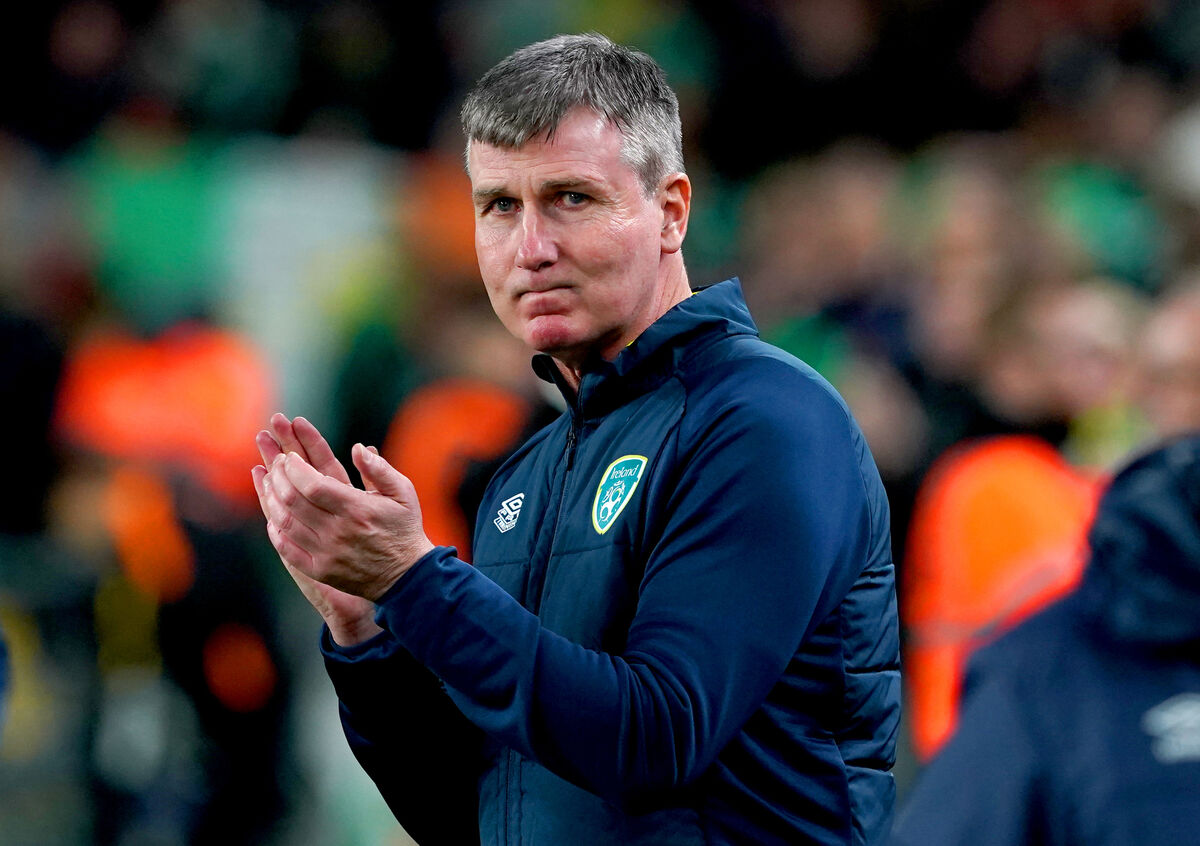
As it stands anyway, Ireland’s concluding match – not for the Dutch mind you, much to Kenny’s chagrin – will mark the endpoint of the manager’s fourth campaign. Backdoor routes through the playoffs in March 2024 could figure too but how novel and welcome it would be for Ireland to arrive in the Dutch capital with qualification in their own hands.
Reasons for this date’s import are twofold. Firstly, assuming Niamh O’Mahony’s elevation is ratified this month, another two females still have to be brought on board as directors to keep the Government’s cash flowing. Those streams quickened in January 2020 as the association faced the threat of liquidation but all bets are off when the MOU pact, ringfencing €30m of state aid in return for governance reforms, lapses almost four years on.
CONNECT WITH US TODAY



Be the first to know the latest news and updates