Euro 2020 final: England-Italy Scouting report
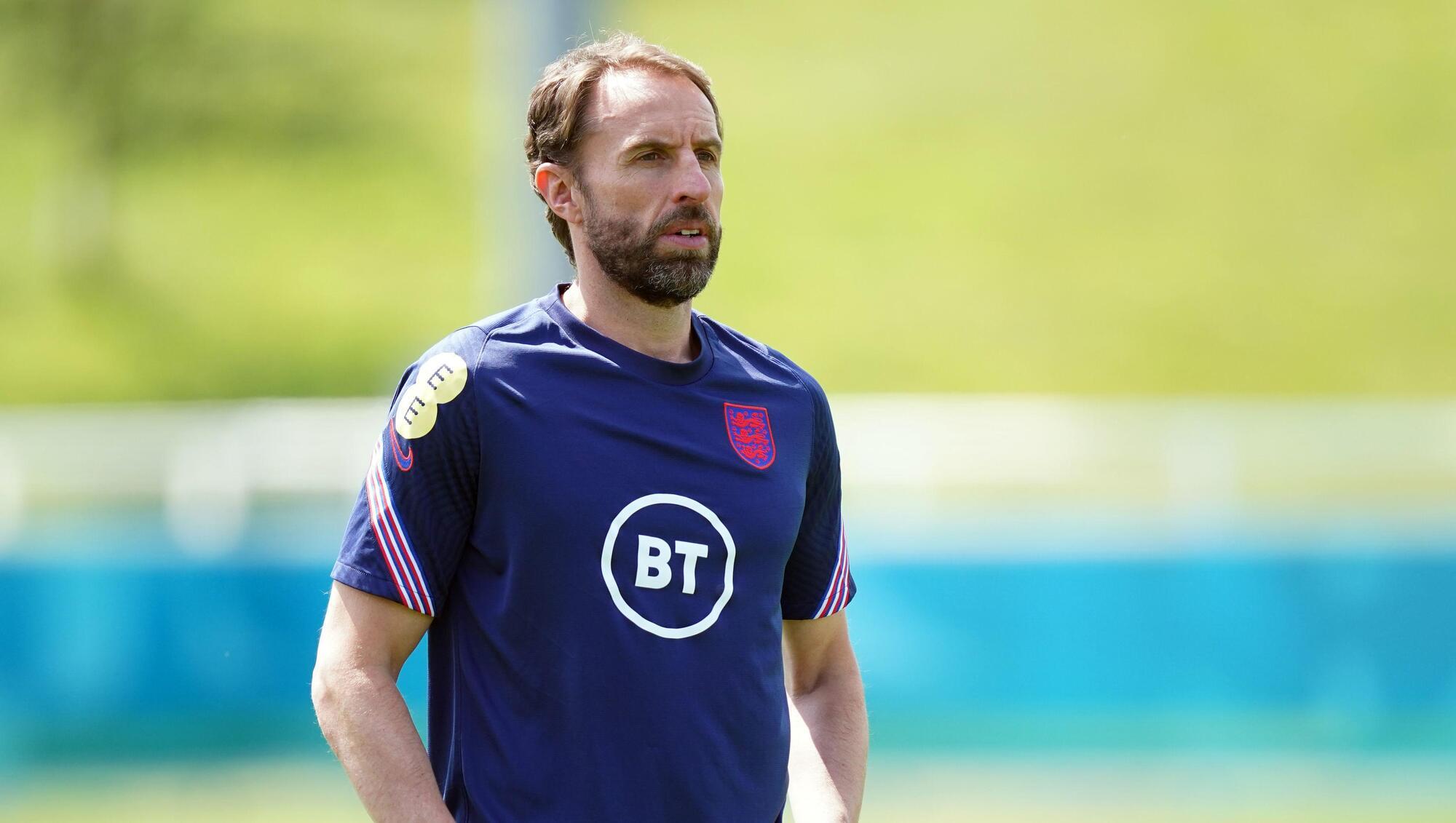
England manager Gareth Southgate during training at St George's Park in Burton upon Trent.
Critics had feared Jordan Pickford was playing on the edge and appeared on the verge of an error - a pattern we had seen often this season with Everton. The semi win over Denmark seemed to confirm those fears with the keeper erratic in his distribution, decision making and general demeanour, even before he was at fault for the first goal England have conceded in this tournament. He remains an unknown quantity for this final.
One goal against in the opening six games is hardly cause for concern but England have not yet faced an attack anywhere near as potent as Italy’s. That said, Harry Maguire has grown into fitness and form at the tournament, John Stones has barely put a foot wrong and Kyle Walker and Luke Shaw have offered England fierce attacking options. While Southgate has good options at full-back, and changes he can make during the game, the same cannot be said about the centre of his defence should the need arise.
For five of the games to date, Gareth Southgate has opted for a 4-2-3-1 formation. Only against Germany did he switch to a three-man defence so it would be a major surprise if he opted for anything but the former. That will mean Kalvin Phillips and Declan Rice playing the holding positions in front of the back four, with the protection they offer being one of the key reasons for England’s defensive success to date.
After a slow start to the tournament, Harry Kane has delivered emphatically in the kook-out games but the attacking midfield trio behind him has been excellent throughout. Raheem Sterling is guaranteed a start, probably along with Mason Mount who has kept Jack Grealish on the bench with his displays as the “number 10” behind Kane.
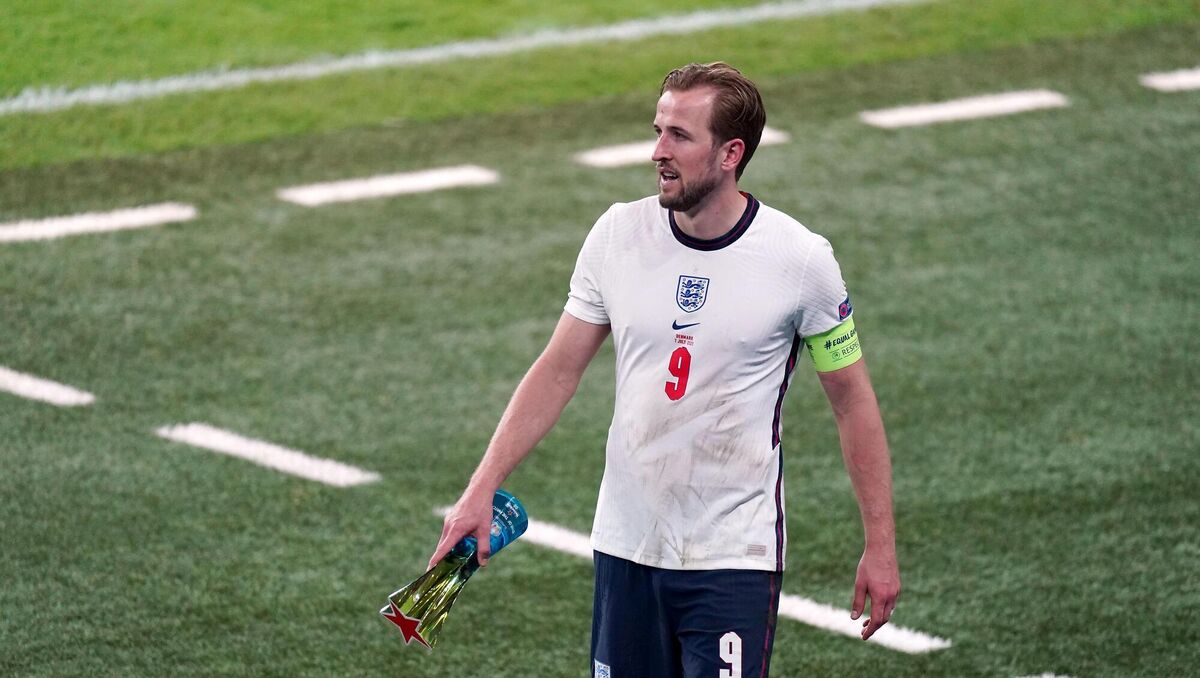
That leaves Southgate needing to select one of a number of candidates although there will undoubtedly be a clamour for him to take the ultimate gamble and find a way to start Grealish. Is such a move in the England manager’s make-up? Probably not.
No individual’s reputation has risen more in this tournament than England manager Southgate’s whose man-management skills, brave - and successful - team selections and general positive demeanour have understandably received universal acclaim. Should he end England’s 55-year wait for a trophy, his position as a rival to Sir Alf Ramsey as the foremost name in the history of England national team management is assured. Even with a defeat, he will have raised England’s credibility and self-belief beyond all recognition.
Perhaps only France could point to a bench as deep as the one that Southgate has at his disposal although, over the course of the tournament, his team has come largely to select itself. The main area of contention is across two of the three attacking midfield berths - with Sterling being guaranteed one of them. Mount, Saka, Rashford, Grealish, Foden, Sancho - four of those players will start on the bench. Elsewhere, things are not quite so rosy, particularly at goalkeeper and centre-half where a stark lack of quality in depth makes England’s defensive record all the more impressive.
Gianluigi Donnarumma is only 22 years old but it feels as if he has been around for a long time. And in a sense he has. He made his Milan debut at the age of 16 and became Italy’s youngest ever goalkeeper as a 17-year-old. As part of Italy’s 33-match unbeaten run he did not concede a goal for almost 1,000 minutes, before letting one in against Austria in the last 16. Sasa Kalajdzic scored from a header but Jorginho was partly responsible for leaving his position at the post at that corner. The backup options Salvatore Sirigu – who got a few minutes against Wales – and Alex Meret are good goalkeepers but nowhere near Donnarumma’s quality.
When Giorgio Chiellini hobbled of the pitch with an injury against Switzerland in the second group game it was difficult to imagine the 36-year-old leading out his country in the Euro final 25 days later. But that is what he will do on Sunday, having returned for the quarter-final win over Belgium and starring alongside Leonardo Bonucci for the victory over Spain. It is testament to Italy’s defensive strength that they did not suffer when he was out, Alessandro Bastoni and Francesco Acerbi coming in as very able deputies in a well-drilled machine. The loss of the marauding left-back Leonardo Spinazzola was a blow though, with his replacement, Emerson Palmieri, not able to offer the same threat going forward.
Mancini prefers to play with a midfield three and it has been fairly settled at Euro 2020 since Marco Verratti recovered from injury to take his place alongside Jorginho and Nicolò Barella. Jorginho, in particular, is having a superb tournament and has been able to dictate games with his passing and clever positioning although the three of them struggled against Spain. Luis Enrique’s team made sure that Italy did not have enough time on the ball and they looked unsettled at times, something Gareth Southgate will look to replicate in the final. Italy have several options off the bench though with Manuel Locatelli (Sassuolo) and Matteo Pessina (Atalanta) both scoring at this tournament when given a chance.
Ciro Immobile was the main man coming into the tournament but after two goals in the first two games, he has lost momentum and looks a bit short of confidence. He was widely mocked for feigning injury against Belgium, only to spring to his feet when Italy scored, but started against Spain and is expected to be given the chance against England too. As Immobile’s stock has fallen, Federico Chiesa’s has risen. The 23-year-old Juventus winger has been a breath of fresh air, always direct, always taking the game to the opponents. He has two goals too at the Euros, as does Lorenzo Insigne, the wonderful Napoli winger who operates on the left. Domenico Berardi and Andrea Belotti have been utilised as substitutes and work incredibly hard when given a chance but they are not a huge goal threat at the moment.
It is easy to forget just what a traumatic place Italy were in when Roberto Mancini took over in 2018. They had just missed out on a World Cup, for the first time since 1958, under Gian Piero Ventura and belief in the team was at a painful low.
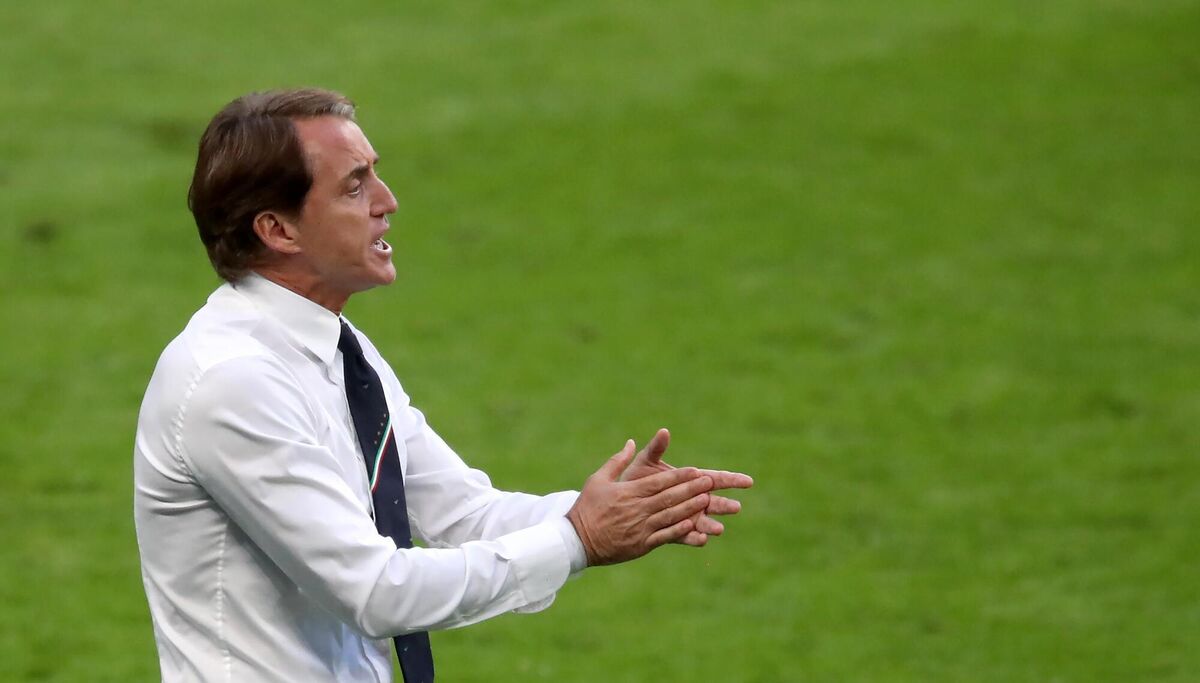
However, the former Sampdoria and Lazio player quickly gave this team a new identity and cast his web wide, picking players from the so-called smaller clubs, with Sassuolo contributing several players. He has been tactically flexible when needed but prefers a 4-3-3 system. He has managed to keep the traditional solidity in defence but this is not a defensive team. They like to play at the front foot and with a high press. They are now the most successful team in the history of Italian football with their 33 matches unbeaten but they need to win on Sunday to really be considered the best of the best.
Mancini knows his best XI and is only likely to alter it in case of injury although he did make eight changes for the third group game against Wales after they had already qualified for the knockout stage. The fact that several players have played only five games instead of six should benefit Italy on Sunday and when given a chance the squad players have shown they are capable of performing at this stage. Bastoni and Acerbi impressed in defence when called upon, Locatelli starred in midfield before Verratti’s reintroduction and the forwards have given Italy renewed energy when they have come on. Like with England, the whole squad seem happy to be involved, whether they are starters or not.
Rating 8/10.


CONNECT WITH US TODAY



Be the first to know the latest news and updates