Trolling of footballers: We all have the potential to be abused or become the abusers

Republic of Ireland and Stoke City's James McClean has shared some of the online abuse he has been getting in recent times.
This week, James McClean provided a frightening insight on living with social media abuse.
The 31-year-old Republic of Ireland international shared a direct message he had received on Instagram which read: “Don’t make me set your house on fire and burn everyone inside it.”
Speaking on on Wednesday, McClean then shared a message which had been forwarded to him by his brother Patrick, a footballer with Glentoran. It read: "I'm sorry what I said about you and your brother and your brother's kids. I don't want them to burn in a house fire. I would much rather James go up in flames on a chair while his kids are tied up opposite to him on three separate chairs to watch their dirty, stinking, Fenian, rebel bastard of a Dad burn to a crisp. Maybe that's better than dying in a house fire."
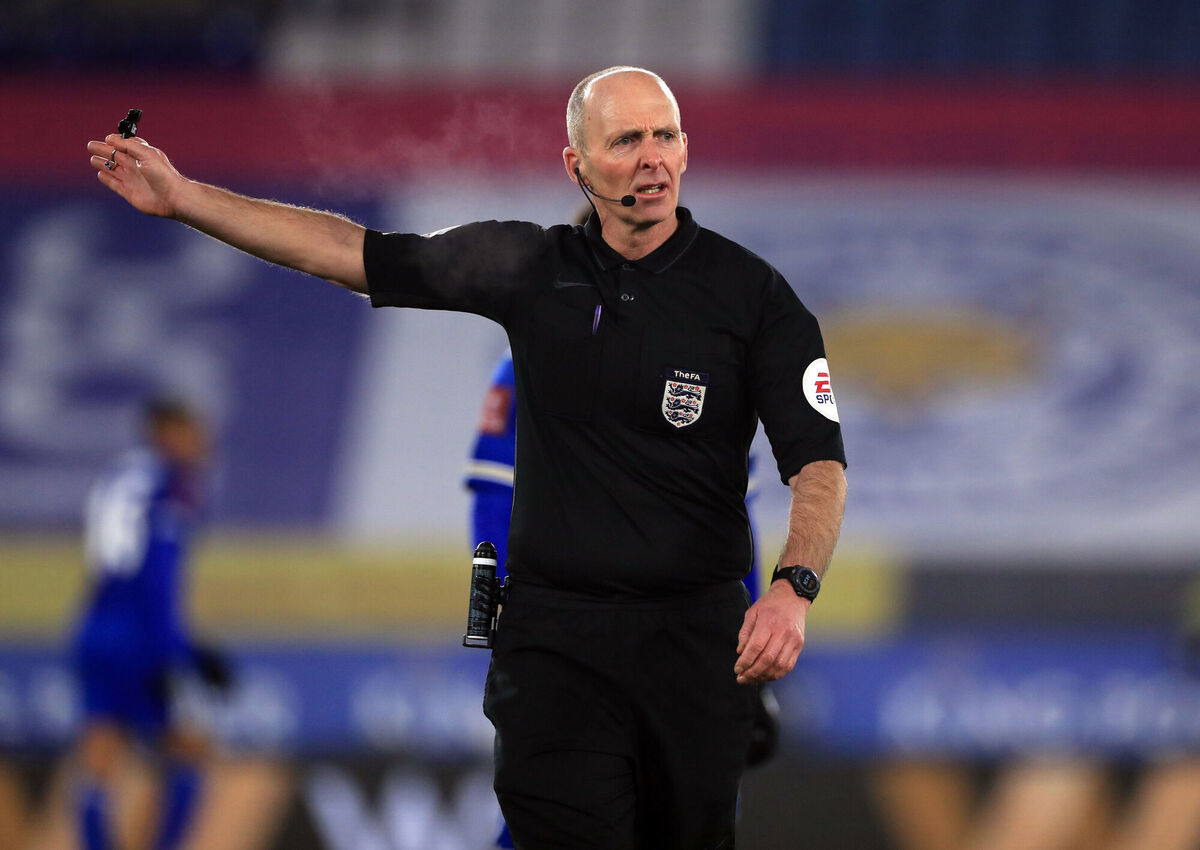
The most worrying aspect of all of this is just how common such abuse has become. A week earlier, football referee, Mike Dean was another target after two ‘controversial’ decisions on the field. Again, the comments made toward him extended to his family, threatening their safety and life, leaving them in fear. Dean pulled out of his next match due to concerns for his own safety.
The charity Kick It Out reported that discrimination in football rose by 42% in 2019-20. With the continuation of football played behind closed doors due to the Covid-19 pandemic, this abuse could continue to rise.
Players are becoming victims of abuse as fans increasingly watch and comment on performances from the comfort and anonymity of their homes. Players may be an easy target for fans to take out their lockdown frustrations on.
Recently, a range of football, media and law enforcement organisations met with social media companies to further the discussion of how to tackle online hate in football.
As one step, Kick It Out have launched Take A Stand, a new campaign encouraging people across the football community to take action against discrimination by publicly pledging to be a part of positive change.
But the problem isn’t just in football and isn’t just in Europe.
Athletes across a variety of sports around the world have been speaking out about the experience of being targeted online and the impact of being exposed to toxic vitriol from the virtual stands.
A number of research studies have pointed to the widespread nature of abuse on social media platforms and an increasing trend of fans attacking athletes via these.
Discriminatory content occurs for a number of reasons and can include reference to gender, race, sexual orientation, religion, and/or disability. In this way it is no different to offline abuse and discrimination.
Often athletes will experience abuse that includes multiple forms of discrimination. British tennis player Heather Watson spoke openly of the abuse she faced which was racist, sexist and made threats toward her life. She explained how much of the abuse she experienced came from those who had gambled on her to win.
Despite the occurrence of discriminatory behaviour in online spaces, there is currently very little regulation to control it. While sporting and social media organisations are now joining forces, there remains limited movement in the regulation of this type of behaviour and platforms which champion the freedom of speech in many ways enable the publication of hate.
Abuse online is enabled by the instantaneous access and global reach that the internet affords the perpetrator. Fans can build parasocial relationships with athletes through the media but there is also a sense of anonymity or perception of anonymity online. The screen provides a sense of invisibility and combines with claims for freedom of speech.
The ability to seek out like-minded people who share our opinions or views, combined with a lack of regulation or policing also empowers abusers.
It’s the perfect pressure cooker for hate in many ways. As in the case of James McClean there can be ‘justifications’ made by the abuser linked to the victim not aligning with their own values or ‘deserving’ the abuse they receive.
The term trolling has been adopted by the media to broadly account for any harassment via communications platforms. Yet in many ways the focus on ‘dangerous internet trolls’ leads us to miss an important fact; we all have the potential to be abused or become the perpetrators of abuse in online environments.
It is not just the ‘trolls’ who chose to harm or attack others in cyberspace; especially when as fans we feel so passionately about the athletes we follow and the sports we watch.
The online environment can be seen as a particularly dangerous one for potential abuse, given its nature. It provides an environment whereby norms and values have less of a controlling influence upon behaviour. The lack of consequences means it is ‘safer’ for the perpetrator to abuse someone online than in person.
But how does such abuse impact on the person at the receiving end? Online abuse has a number of negative consequences; resulting in a lasting negative impact on players. Being the target of abuse can have a significant effect on all aspects of the life – not just their athletic performance. Golfer and sport commentator Paige Spiranac broke down while completing a live interview; she spoke of a relentless pattern of abuse she had been subjected to via social media sites. In the aftermath, Spiranac spoke of her thoughts of taking her own life as a result of the depression she experienced in response to the abuse.
The fear that can result from experiencing online abuse can extend to family members and those closest to the athlete who often also become targets. Based on accounts from athletes in the media and research, athletes can experience a range of psychological, behavioural and performance effects.
These range from negative impacts on the athlete’s self-esteem and/or confidence to sleep disturbances and reduced performance on the field of play.
Athletes have reported depression, loneliness and isolation through feeling like there is no way to escape the abuse they experience. Some are left with no choice other than to remove themselves from social media – or, worse, retire from the sport completely.
So far, the human cost has been on the mental well-being of athletes, resulting in poor performance or withdrawal from the sport. Hopefully, it won’t take a more tragic outcome for people to take this form of athlete abuse seriously.

CONNECT WITH US TODAY



Be the first to know the latest news and updates