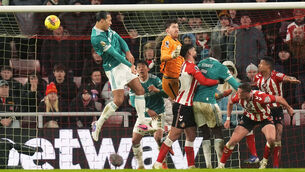
Why Arsenal are making 55 employees redundant while investing millions
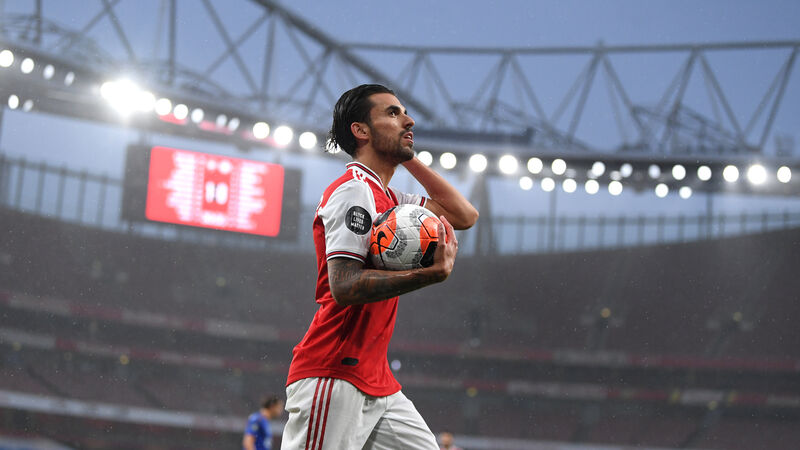
Arsenal's Dani Ceballos returns for another season on loan from Real Madrid
Arsenal followers were probably not too distracted when their club dropped out of the world's top ten richest this year. Why should they, with their team tumbling down the Premier League without the glitz of Champions League football to cushion the fall?
Glory matters more than a balance sheet, they argued. Try telling that to the dozens of Arsenal employees who have learning about the club's unprecedented redundancy programme this week.
Vinai Venkatesham is the chief executive saddled with the onerous task of restructuring the staffing (55 employees due to lose their livelihood) and budget of a proud footballing institution once known as the Bank of England club for its wealth and stature.
And while he can look down from the directors' box on the start of a new season with a rare sense of optimism and cohesion on the pitch, the cutbacks off it indicate he faces an even tougher challenge to keep Arsenal competitive financially.
Promoted from chief commercial officer and Managing Director to his current lofty role, which perhaps strangely does not come with a place on the club's board, the former City oil trader hopes he has sorted the club's footballing affairs by promoting Mikel Arteta from head coach to manager.
The Spaniard, appointed following the sacking of Unai Emery at the end of last year, will oversee all football related matters at the club – from tracksuits to transfers in an all-powerful alliance with Technical Director Edu, another successful former Arsenal midfielder.
That leaves Venkatesham to try and get the club back on a stable financial footing in “the toughest period the club has had in its 134-year history.”
He explained: “It’s tough. I’ve been at this club for ten years and this is not a big organisation, we don’t have hundreds of thousands of employees all around the world. We’ve got hundreds of employees all based within 30 miles of each other. I know the people, I know their families, I know people very closely. So, to make a decision that we had to propose redundancies was really, really tough and we did that for the right reasons.
“We look ahead and we see a really, really different economy post-coronavirus and, actually, since we made the decision you have seen a few other things happen. You’ve seen the Government announcement yesterday which we hope won’t change the October date to get fans back in the stadium, but it’s possible that it will.
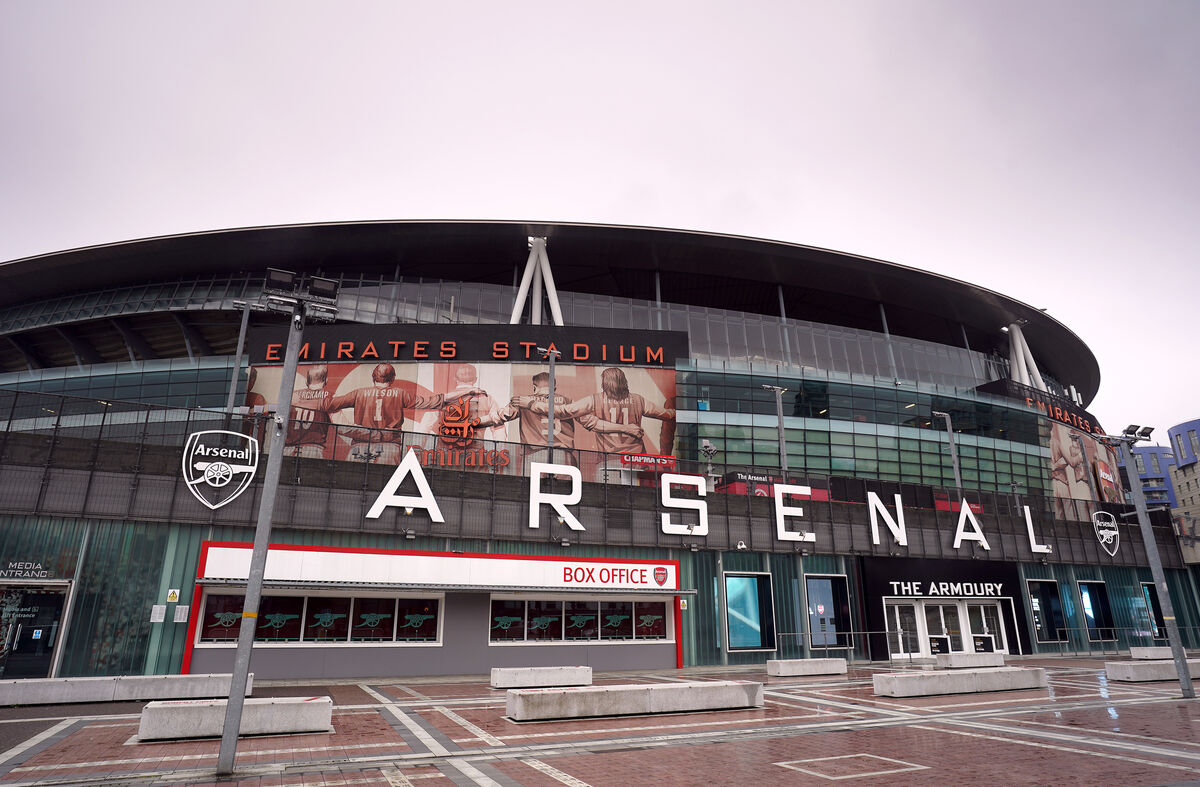
“You’ve seen the news from the Premier League around the China TV deal being terminated. Unfortunately, we see a different economy ahead and we needed to restructure our organisation and make a really tough decision and unfortunately my job is about making hard decisions to make sure that we have the right structure going forward to make sure we are leaner, faster and equipped to deal with a different economy and that’s really tough.
“I would be lying if I said there had not been sleepless nights and this week is a week where lots of people have been finding out about how it all lands so this has been a really, really tough week at the football club.
“At the same time, we need to make sure that we are looking after the long term health of this football club and, like any organisation, that means that you need to invest. If you work for an airline then you need to buy new planes. If you are working at a restaurant you need to invest in the restaurant. Here, we need to invest in the team and that’s what we’re doing. We’re investing in players because we want to be successful as we possibly can be.”
Top of that investment is player recruitment and a new three-year contract for star striker and club captain Pierre-Emerick Aubameyang, affording him the possibility of out earning top-paid midfield misfit Mesut Ozil's £350k-a-week.
The chief exec added: “I understand the position of redundancies and then investing. I think the jobs and positioning exists because it’s all people and in other organisations it’s all about machines. But when we invest as a football club, it’s predominantly with players.”
There are few more approachable senior figures in Premier League football than Venkatesham and what he says rings true, but the coronavirus pandemic is not the only reason Arsenal are on the slide.
In March, pre-lockdown, they announced their first financial loss since 2002, recording a remarkable £84m reversal on the previous year's £56.5m profits. Arsenal's profitability had been built on qualifying for the Champions League (a feat they achieved for 21 consecutive seasons under Arsene Wenger) property development on the back of redeveloping their former Highbury home (now complete) and profit from selling players (a trend they have tried to reverse in recent seasons in a bid to get back to Europe's elite competition).
Arteta's role is to guide the club back to the promised land of Champions League and title challenging, some task considering they finished eighth last season, albeit with a record 14th FA Cup win to cap it off and securing £25m worth of Europa League qualification.
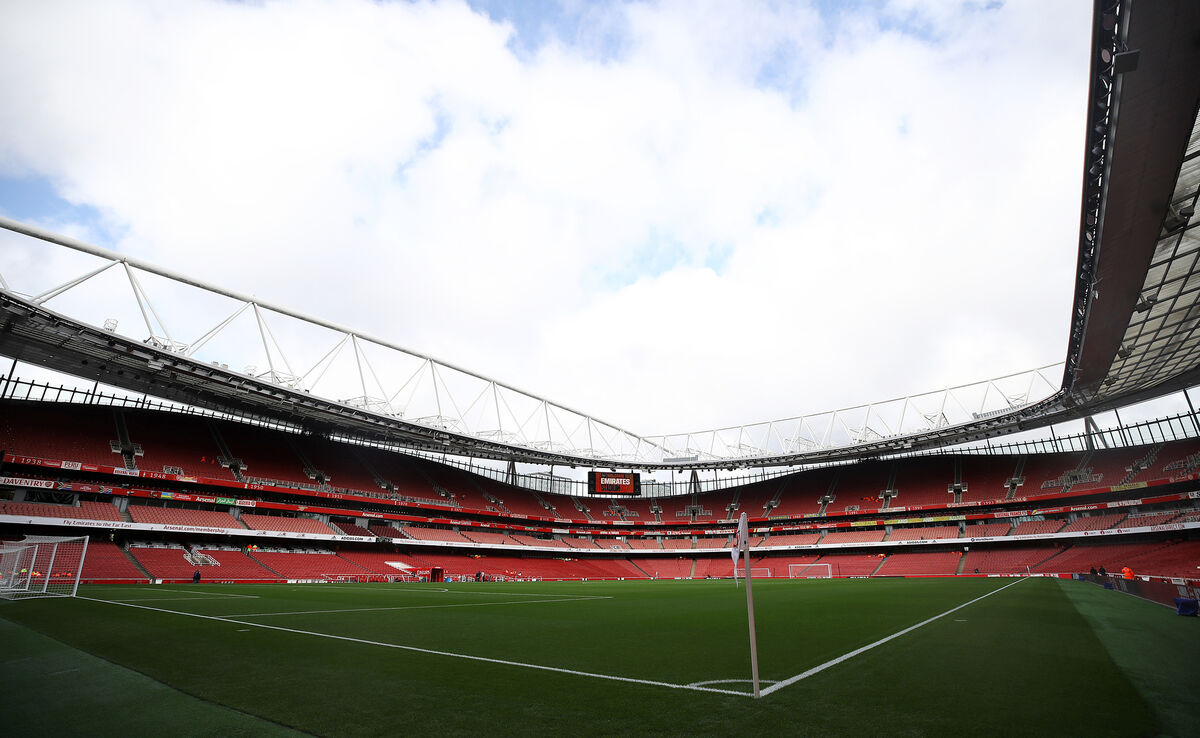
With Aubameyang set to stay for the remainder of his golden goalscoring years, Arteta starts on the front foot at Fulham this weekend. Willian has signed from Chelsea along with fellow Brazilian Gabriel Maghalhaes, Lille's outstanding central defender.
Other potentially key men at the back, Cedric Soares and Pablo Mari have made loan moves permanent while midfielder Dani Ceballos is back for another season from Real Madrid It begs the question how Arsenal, also still in the market for Atletico Madrid midfielder Thomas Partey, can afford it all without selling a bunch of players while still keeping Ozil on the books.
Over to Edu, the 2004 Invincible with a clearer vision than most...
The Brazilian said Ozil's role is solely down to how Arteta sees the German playing and training, but admitted there could be some tricky decisions to be made in the transfer window, which does not close until next month.
He said: “The market right now is a challenging one. Everybody is waiting, everybody wants to do swaps, everybody is talking about loans. For example, many clubs are asking me or talking to me about loan players or swap players but I am not seeing if they are really prepared to do the kind of things they are asking me.
“For me, what is important internally is that we have a clear plan on the players we want to keep, the players we want to loan and the players we want to sell. After that, we have to be patient, to understand how the markets are reacting, and then to make the right decision. So it is a similar one to when you want to sign a player: with a clear strategy. To sell or loan a player, we have the same strategy as we have to sign one.
"But for that part sometimes we have to be patient and wait a little bit more to make the right decision.”
CONNECT WITH US TODAY



Be the first to know the latest news and updates