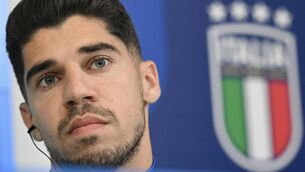
Seamus Coleman bemused by timid approach
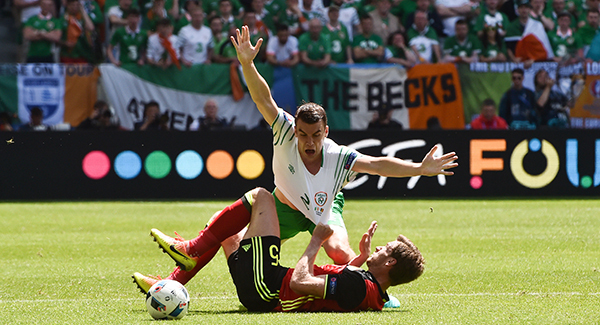
If it’s true that all games are won and lost long before they begin then Ireland were a beaten docket by the time Cuneyt Cakir blew the first whistle at the Nouveau Stade de Bordeaux on Saturday.

Seamus Coleman bemused by timid approach

Within minutes, the trepidation in the team was palpable, betrayed by the length of time it took for the players to restart the game after balls had gone out of play.

Compare that body language with the hustle that typified the performance against Sweden the Monday before.

Even Martin O’Neill played an active role in quickening the tempo when he retrieved the ball sharply for the throw that led to his side’s goal.

Belgium were unquestionably the better side, individually and collectively, but it is impossible not to think Ireland’s mindset was all wrong from the off, that they had beaten themselves long before the Belgians completed the job.

Not that the players seemed to agree.

“We went into the game fully in the belief that we could win,” said Seamus Coleman.

“Unfortunately, they scored a goal and we had to go out and chase the game, which meant that we left gaps at the back.”

Yet the sense of paralysis in both mind and body was equally apparent on those irregular occasions that Ireland had possession. Long balls were de rigeur.

There was puzzlement as to why.

“I don’t know,” said Coleman. “They have good players and we were under a bit of pressure and we are disappointed ourselves we did not keep the ball better. It did not happen and that is disappointing.”

Martin O’Neill was initially unable to shed any light on the no-show either and, though the players failed individually and as a group, there is blame to be shared by the management for failing to infuse the right mentality in the first place.

O’Neill clearly attempted to rectify matters in that regard during the interval at least. He said as much himself on Saturday evening, but the pity was that Belgium scored their opener just as Ireland were beginning to find their feet.

“Well, we needed to play better than we did in the first half because we sat back and did not create anything,” said Coleman.

“It’s unfortunate that they scored so early in the second half as it meant that we had to try and get back into the game. But they then punished us with the quality that they have.”

By the end, Ireland had failed to register a single shot on target in a major championship game for the first time since the most drab of draws against Norway in the 1994 World Cup.

O’Neill was asked two days ago if this was the type of situation in which he really earned his corn, with backs to the wall and an imposing Azzuri to overcome. He didn’t say as much, but it is. After all, this is Ireland, who have won just three of 21 games played at major finals and none since 2002.

This team demonstrated an ability to dig itself out of a hole before when it found form and good fortune during the qualification campaign. It was nothing short of a minor miracle that they pulled through and they will require another heavenly effort in Lille.

“It’s not the end of the world, we’ve one more game,” said goalkeeper Darren Randolph, who had more passes than any Irish player in the first-half at the weekend.

“There is still a game to go, we know what we need to do, we need to go and win.”

More in this section

Sport

Newsletter

Latest news from the world of sport, along with the best in opinion from our outstanding team of sports writers. and reporters

Cookie Policy Privacy Policy Brand Safety FAQ Help Contact Us Terms and Conditions

© Examiner Echo Group Limited