Was booing of Wenger at a Stoke train station the beginning of the end: Yes
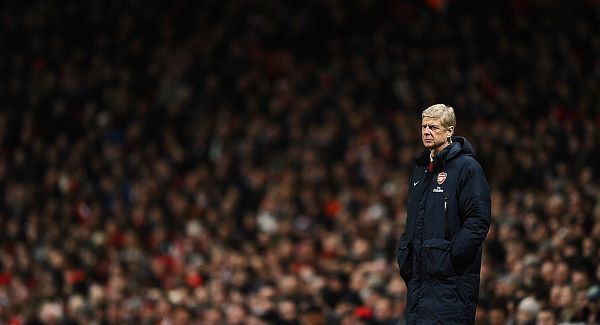
Supporters of the north London club appear to be stuck in their own Groundhog Day, where impressive wins against the likes of Borussia Dortmund are followed by demoralising defeats to Stoke City. Anger and frustration has been bubbling away at the Emirates Stadium for some time, anyone who has visited the ground since it opened in 2006 will vouch for that. But last Saturday marked the first occasion anger and frustration boiled over.
While the manner in which Arsene Wenger and his squad were abused as they left Stoke-on-Trent station may not be defendable, the fact is those supporters have some justification.
The past 10 years have yielded one trophy — Arsenal’s FA Cup triumph last season. And with that win last May there seemed to be a renewed sense of optimism. The drought was over, the bank was bursting, times about to change.
The summer started well. In came World Cup star Alexis Sanchez from Barcelona. The defensive positions were strengthened by the purchases of Calum Chambers and Mathieu Debuchy, while goalkeeper David Ospina appeared the right signing to put pressure on Szczesny.
But then, Groundhog day began again. As the transfer window slammed shut and eyes were run over the Arsenal squad list, the gaps were again there.
Centre-back and club captain Thomas Vermaelen was sold on August 10 — but no replacement was signed. That left Arsenal with six senior defenders. One of which was 19-year-old Chambers, who had previously played just 22 Premier League games. Again there was no sign of a defensive midfielder amongst Wenger’s ranks either, despite the consensus being at the start of the summer the Gunners must buy a holding midfielder. Truth be told it has been the agreed consensus for some years, arguably since Gilberto Silva left in 2008.
While the transfer activities have a sense of deja vu about them, so do the tactical plans. Sam Allardyce hit the nail on the head recently when he said there are two types of managers. Those who adapt to the opponents and those who religiously follow their ideology. Wenger falls into the latter category and it has seen his side become undone on countless occasions. Fans can almost predict defensive scenarios, forecasting players positions like pieces on a Subbuteo pitch. Arsenal lose the ball upfield. The full-backs have bombed on. The opposition have a numerical advantage on the counter. They swamp the defence. The ball ends up in the net.
Reset the pieces and go again.
And that is perhaps why there can be some understanding for those frustrated fans. The problems at Arsenal are not new — they’ve existed for years.
Last summer may have looked like a watershed moment, but in reality it appears to have only momentarily stemmed a growing tide against Wenger.