Barca have form with resignations
Rosell confirmed that last summer’s controversial signing of Brazilian attacker Neymar was the subject of a formal court investigation, with charges likely to be brought for ‘diversion’ of some of the €80m plus Barca spent to sign the player.
Nothing had yet been proven against any individual, but Rosell felt it was time to go. He told an emotional farewell press briefing he had ‘suffered difficult moments’ and that he and his family had received ‘threats’, while saying his resignation would hopefully protect the club from further attacks. However the Neymar investigation will continue, and if anything his decision to step away brings more focus on the transfer. Successor Josep-Maria Bartomeu is also caught up in the court proceedings, which will continue for months at least.
So the move was a surprise, but maybe should not have been. This is after all not the first time Rosell has resigned from the Barcelona board. In 2005 he stepped down from his then position as vice-president, as did Bartomeu. Both had come in just two years earlier in a regime headed by Joan Laporta, but internal divisions in that ‘junta’ soon became irreconcilable differences. So the pair stood down to prepare an (ultimately successful) challenge to replace Laporta in 2010.
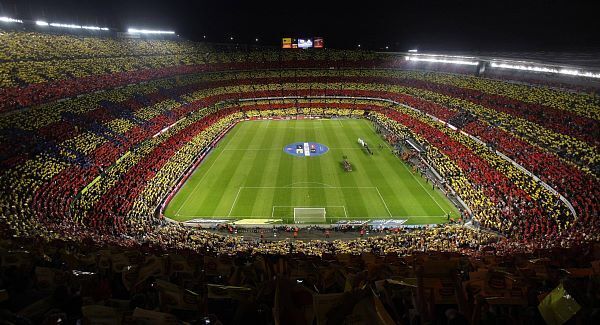
Thursday’s press conference at the Camp Nou was similar, if also different, from another event held in the same press room less than two years ago. Then Josep Guardiola announced he could not continue as the club’s coach, claiming he was too ‘exhausted’ and ‘drained’ to continue. The same Spanish word (‘desgaste’) popping up in stories about Rosell’s state of mind in friendly media outlets last week.
Rosell and Guardiola have followed a path which winds its way back into Barca history. In 1953 Enric Marti resigned as club president after he had bowed to political pressure and stood aside to let Real Madrid sign Alfredo Di Stefano. In 2000 club chief Josep Lluis Nuñez also — eventually — accepted calls to go. Nuñez’s successor Joan Gaspart then fell on his own sword after two and a half years of turmoil on and off the pitch.
Elsewhere in La Liga the idea of a club president stepping down freely is laughable. Last week also brought news that many of Spanish football’s leaders, including the Spanish FA (RFEF) and La Liga presidents, had organised a petition calling for a formal pardon for former Sevilla president Jose Maria Del Nido. Del Nido was sentenced to jail for embezzling millions of public funds over two years ago, but stayed in situ at Sevilla until the Spanish Supreme Court confirmed the custodial sentence in December. He still maintains his innocence, and hopes the support of the ‘football family’ will keep him out of prison.
Others have been just as brazen.
Fifteen years ago a Spanish court ruled Atletico Madrid president Enrique Cerezo and former owner Jesus Gil took over fraudulently. Yet Cerezo and Gil’s son Miguel Angel remain in charge. Ex-Real Betis president Manuel Lopera had the club taken away from him by a judge in 2010, and faces criminal charges of appropriating club funds, but the 69-year-old is fighting to regain control. Real Madrid chief Florentino Perez has plenty of critics, so changed the club’s statutes to more or less ensure that nobody can challenge him. But Rosell, for the second time, and in keeping with his club’s traditions, stepped away when there was no real compelling reason to do so. When it comes to resignations, Catalonia is not Spain.


CONNECT WITH US TODAY



Be the first to know the latest news and updates