3 big questions about Sepp Blatter resignation
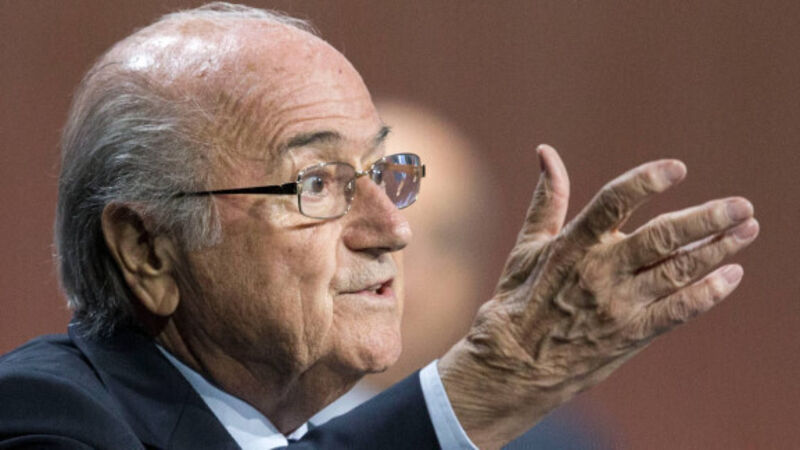
It was from a Uefa meeting few years ago, when European officials were invited to present certain proposals about the game, with Blatter looking on.
One subject especially impressed the Swiss septuagenarian and he let the official know.
“Thank you,” came the response, but it evidently wasn’t effusive enough for Blatter.
After a second’s hesitation, he turned back to the official and said: “You should be honoured the president of Fifa would say that to you.”
No more. Blatter no longer holds that position, after yesterday finally saying what so many in world football wanted, but the reality is it still leaves so many questions.
Part of that is because he seemed so evidently comfortable in his power, so utterly unassailable and insulated. Now, we have a power vacuum like never before, and it leaves issues that didn’t look like they were ever going to be considered…
This is the most immediate question, not least because Blatter’s resignation came just days after he was re-elected amid an atmosphere of triumphalism.
What changed in the meantime? Were the FBI and Swiss investigations getting too close, given the New York Times reported last night that he is under investigation by the American body?
Was the revelation that Blatter lieutenant Jerome Valcke authorised the transferring of $10m from a Fifa account to the account of Jack Warner the trigger?
Did Uefa’s threat of a breakaway World Cup have that much leverage? Was the 79-year-old Blatter just not ready for another fight?
It is the question that perhaps involves the most intrigue, but isn’t necessarily the most important.
Almost the most relevant words that came from Blatter’s mouth yesterday were not his revelation that he would resign, but what followed: “Fifa needs a profound restructuring.”
The real issue was not the 79-year-old but the culture he created. It is why all of the controversy doesn’t end with his exit. We still have a Fifa with so little transparency, either in terms of its power structure, its democratic process or even its pay.
It was a system in which clientelism and corruption were allowed to flourish. So the wonder now is whether the body will actually take the opportunity for total reform?. Will we start to eliminate this distrust, will the running of the game be opened up again? It would be harsh to judge now, but it’s also difficult not to think that may yet be a pipe dream. That could already be seen in the early jostling for power. Most of those close to Fifa were already suggesting that Kuwaiti Sheikh Ahmed is the clear favourite, even against Michel Platini. That would not represent much of a departure from Blatter, particularly in the context of what should be a historic opportunity for reform.
Almost every indication from Zurich yesterday was that this is worse news for Qatar than it is for the Blatter family. That may be curious given that the Swiss official didn’t even want the 2022 event held there, but it’s more about the potential ripples from this decision, and what revelations are yet to come given the ongoing investigations.
As to Russia, it’s probably now a little too close to the staging of the competition.
But if the 2022 vote has to be restaged, then surely 2018 does too given they were interwoven.
Also, what about all the commercial and legal deals tied up in all this? It looks set to be a mess.
CONNECT WITH US TODAY



Be the first to know the latest news and updates