James Lowe: 'I would have loved if my old man would have been able to listen to me'
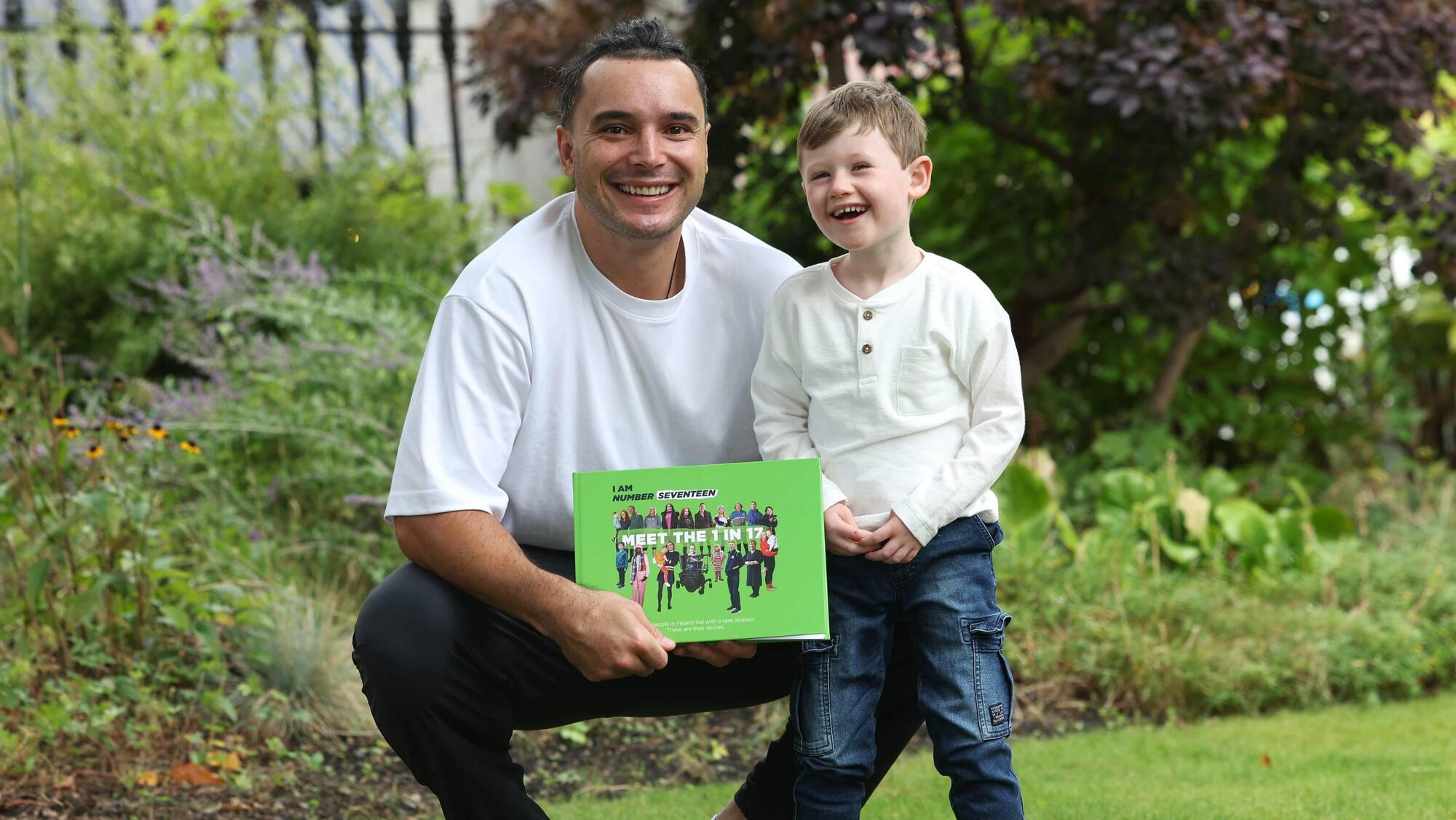
James Lowe, with Changemaker Cian McCarthy, aged 6, from Naas, at the launch of the 'I Am Number 17' book, which showcases the stories and portraits of 17 people living with a rare disease across Ireland. Pic: Damien Eagers/Julien Behal Photography
Sitting in the Oak Room of the Mansion House on Wednesday afternoon, James Lowe wished that growing up in New Zealand, he’d had a community like that standing before him. He wished his father had access to it as well.
The Leinster, Ireland and Lions winger was launching a book, , which highlights that one in 17 people in Ireland – around 300,000 in all – are living with a rare disease. Rare doesn't mean uncommon in this case.
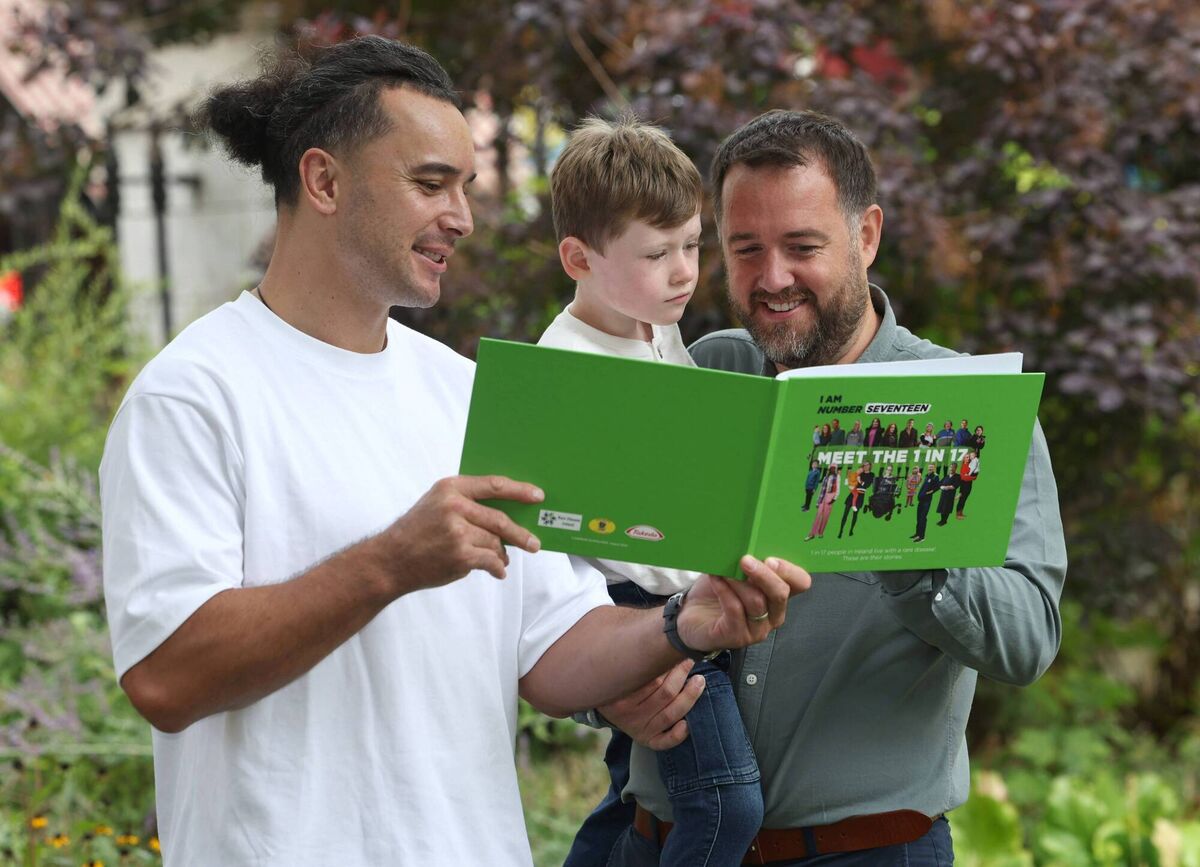
Lowe was interviewed by Ross McCarthy, father of six-year-old Cian from Naas who lives with NARS1, an ultra-rare neurological condition. Lowe could empathise with the stories in the book. As a 14-year-old, he was diagnosed with juvenile idiopathic arthritis.
“Imagine trying to tell my old man, who's staunch as anything, pretty straight up and down, that I was sore. I didn't know what's going on,” said Lowe.
“There were days I couldn't get out of bed, and my parents thought I just wanted to play PlayStation all day, but I couldn’t even pick up the controller at that moment.”
Initially, doctors pawned him off, saying it was just growing pains. Luckily, the doctor he needed, the one who could diagnose the condition, was just five minutes down the road. Others, Lowe recognised, do not have such fortune. Many live with uncertainty for years waiting for a label to be put on a condition.
Thinking back, nearly 20 years after his symptoms first emerged, Lowe said he should have been more open with his parents, “so that they could properly understand”.
“My dad tried to blackmail me at one stage, thinking I was joking,” said Lowe.
“I went to a school where I had to walk 20 minutes to catch a bus that would take half an hour to get to school. And he was like, ‘Mate, there's a school next door. You just walk across there’.
“It's funny thinking back to that. But if I had actually probably communicated better to him that 'something's wrong, you need to go check this out'. It probably would have gone a long way and I probably would have got help a lot quicker.”
Lowe had an “awesome childhood, filled with nothing but food on the table, happiness”. Of course, he still looks back on what his parenting role models did and wonders what he as a father to a two-and-a-half year old and an eight-month-old can do better.
“I would have loved if my old man would have been able to listen to me,” said Lowe.
“I think that would have gone a long way and it would have helped me. The two-year-old, he does my head in. When he grows up, I want him to look at me how I look at my dad, and I love my dad so, so much, and I still do, but I wish my dad would have listened to me.
“If my son ever asks me those sorts of questions or if he needs something from me, I want to be able to get it for him; whether that's verbally or physically showing affection and love is what I would probably hope for.”
Lowe wouldn’t wish what he experienced growing up on anyone else. Though he did say that “there are some young boys coming through who I think need a bit more adversity in their life. They need a few bumps.” That was met with nods and laughter from the crowd.
“The experiences that I had as a teenager obviously set me up pretty well for life,” he said.
“I was fortunate enough to be able to come out the other side. I have no repercussions or anything from what I've previously got diagnosed with.
“But the fact that I had everything that I ever needed, my physical health, for it to be taken away, and then once I got it back, I never took anything for granted.
“Without sport, I would have struggled. I don't take the opportunity lightly.“
The book was a joint project between pharmaceutical company Takeda Ireland, Rare Diseases Ireland and the support group Rare Ireland. When Lowe was first contacted about the campaign, he immediately agreed to help.
“It was a busy time of year, and I remember getting an email, and I was in the car or something. I saw it, I just said yes, because, obviously, it was an amazing campaign,” he said.
“Didn't read any of the fine print. Absolutely stoked I'm here today, don't get me wrong, but I just thought it was all for the right reasons.
“It's about helping people, and I don't think as a whole we help each other enough. We've got an awesome room here full of amazing people who probably have answers that you're looking for as long as you communicate with each other.”
You can find out more about the campaign at iamnumber17.ie.

BLACK FRIDAY
Already a subscriber? Sign in

CONNECT WITH US TODAY



Be the first to know the latest news and updates