Head of strategy Lynne Cantwell says World Cup 'massive' to maximise potential growth of women's game
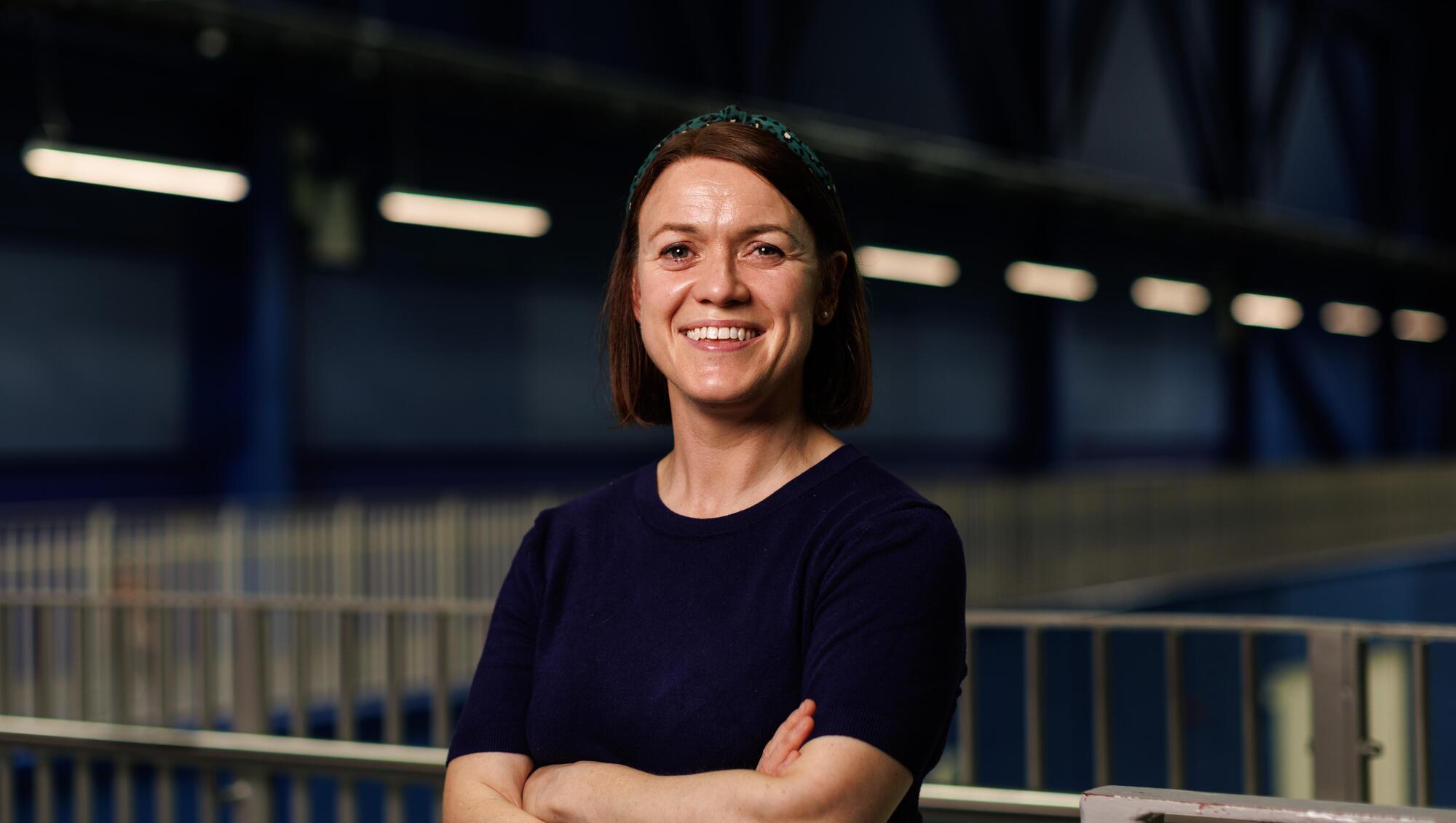
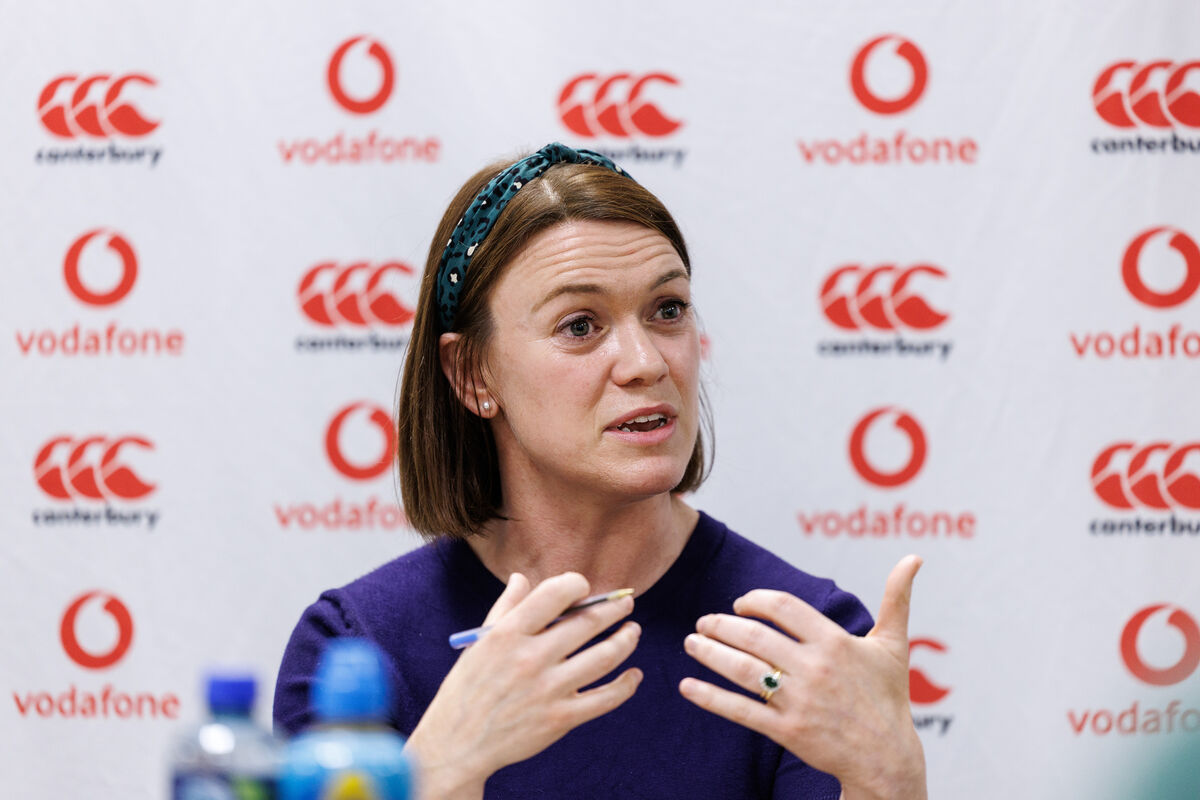
Head of Women’s Strategy for Irish Rugby Lynne Cantwell. Picture: Ben Brady/Inpho
Six months into her role as the IRFU’s Head of Women’s Strategy, Lynne Cantwell understands the complexities facing her to accelerate the development of the women’s game in Ireland.
Yet, as Ireland’s most capped player and Grand Slam winner launches the strategy she was brought home six months ago from a high-profile role as Women’s High Performance Manager for the South African Rugby Union to formulate and implement, Cantwell also understands the importance of this year’s Women’s World Cup in England to maximise the potential for growth here.
The IRFU’s belated focus on accelerating the women’s game in Ireland has reignited the national team from its nadir of successive Six Nations wooden spoons in 2022 and 2023 with head coach Scott Bemand’s rejuvenated squad securing qualification with a third place in the 2024 championship.
An autumn victory over world champions New Zealand helped secure second place in WXV1 and Bemand’s team will head to England and a World Cup pool opener against Japan on August 24 with confidence restored having banished the demons of a failure to qualify four years ago.
That is clearly an opportunity to capture the hearts and minds of a generation of girls and parents, potential volunteers, vital to building sustainable growth in the women’s game.
“The World Cup is absolutely massive,” Cantwell said. “It’s on your doorstep, it’s going to break every record under the sun and Ireland have the potential to feel that bounce.
“What’s really great is that there is a long-term plan although it's going to take three years to get to the first phase of the end of this strategy but any long-term plan is two World Cup cycles and you’re looking to 2033.
“And although it's great for those (future) players, I presented to the (current Ireland) players a couple of weeks ago and the main reason for presenting to them was just to say, 'look, we really want your feedback on this'.
“If I was a player in 2014 and knew there was a long-term plan, the confidence that you would have putting that in your back pocket would just be wonderful.”
Cantwell outlined the way the IRFU hopes to take full advantage of a Women’s World Cup on Ireland’s doorstep, in the same time zone and with a national team capable of at least reaching the quarter-final stage out of a pool also featuring Spain and the defending-champion Black Ferns.
“The impact of the World Cup, we have to maximise it. There's lots of visibility plans but a legacy programme fundamentally is about how do we maximise the impact sustainably.
"How do we elevate the game profile-wise so that more girls pick up a rugby ball, that they go to their local rugby club and have a positive experience, that there's a game for them and a pathway for them doesn't stop when they're 12 and come back at 16, that there's hygienic facilities and kit that fits them, a competition and a coach that teaches them the game.
“There's a big call-out to increase volunteers and coaches and referees. It's a massive piece but, a legacy programme, if you look to (Australia’s national football team) the Matildas, a legacy programme can be four years and the more funding that you have the more of an impact you can have.
“What we're trying to do is position the strategy as part of that legacy so that we can elevate lots of the stuff we're doing in the strategy.
“I'm keen to elevate a lot of the work that Anne-Marie Hughes does as our diversity inclusion lead. She has been doing some incredible work over the past two years around helping make our clubs more inclusive.
“What she will have found and this speaks to boys and men, community sport, if you're a person in a community and you have a rugby club in that community you either don't know it's there or don't feel welcome when you walk in.
"Through simple examples like walking tracks through Healthy Ireland funding. Portarlington is a great example. They put a walking track in their club and in the next three years had tripled their minis numbers and significantly increased their volunteers.
“That's what we want to be able to do and that's the point of having these insights and recognising where these clubs are popping up, in more ladies gaelic football communities. Women's rugby is more of that type of sport, yes it has international aspirations.
“So being able to try and use the World Cup to elevate the planning that we're doing, to elevate the profile of what we're doing, there's a huge piece in giving confidence to sponsors to know where the women's game is going.
“What the World Cup has done is they've secured 15 sole sponsors for the World Cup and we hope to get all of that data at the other side to stand in front of sponsors and say there is a massive future here, get on board now. Currently we're at an early stage of that.”


CONNECT WITH US TODAY



Be the first to know the latest news and updates