Keith Earls interview: 'I struggled coming from an environment where it's all trust'
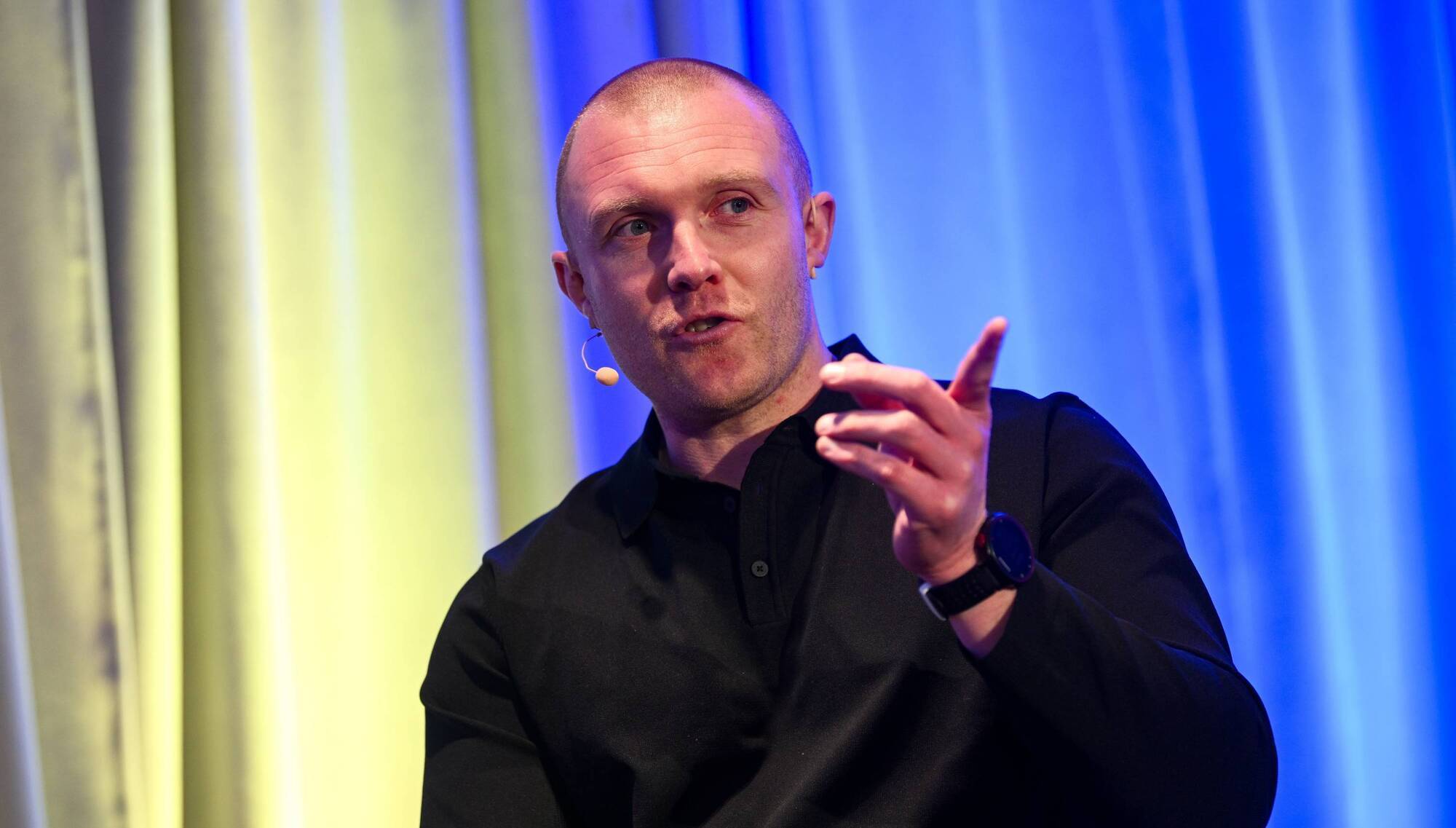
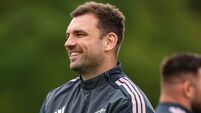
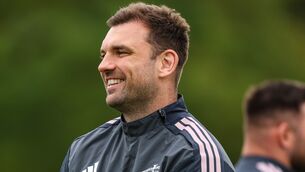
In attendance at Croke Park in Dublin, to mark the launch of the 2025 Lidl Ladies National Football Leagues is former Ireland and Munster rugby player Keith Earls. Picture: Ramsey Cardy/Sportsfile
Around the beginning of the last decade, Keith Earls was struggling with the defensive side of his game. He was regularly swapping between centre and wing, finding it hard to adapt when his side didn’t have possession. His father Ger told him to watch England backrow Maggie Alphonsi for some inspiration.
“He didn't tell me, ‘Look at Neil Back’ or anyone like that,” explains Earls. “He said, 'Look at Maggie Alphonsi playing for England. She's a pocket rocket'. She was very aggressive. Her attitude into contact was what I really took notice of.”
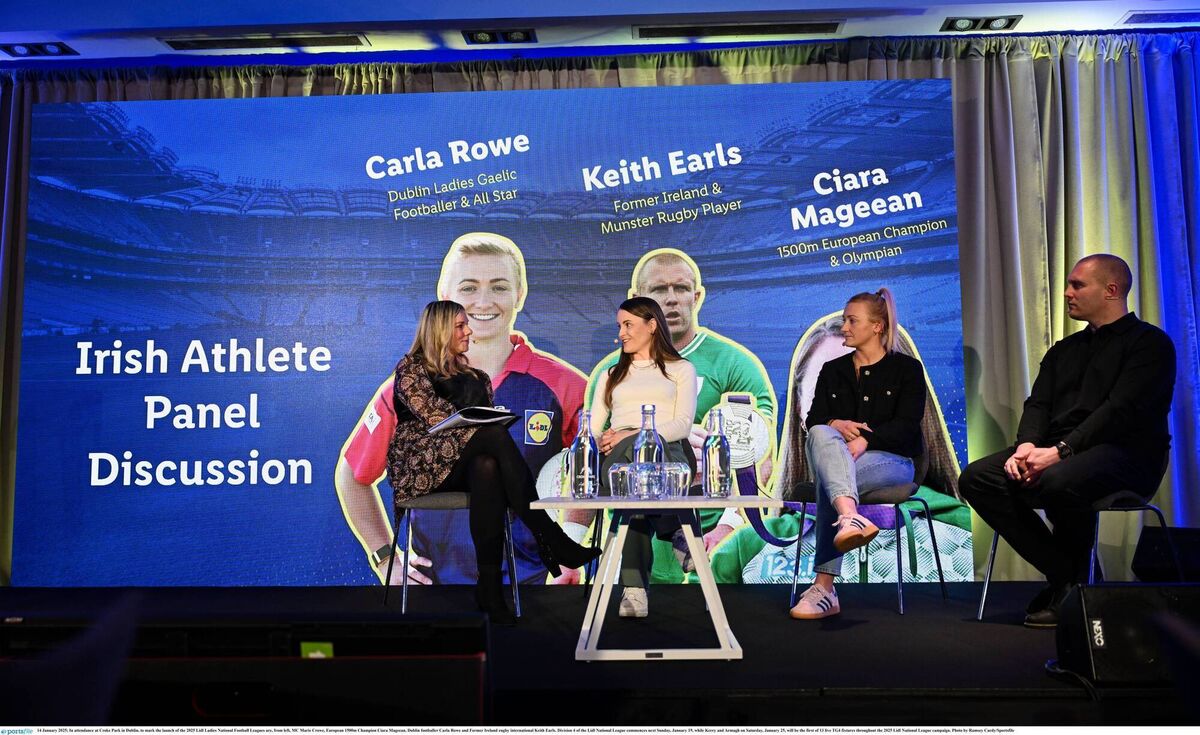
This week, at the launch of the Lidl Ladies Football Leagues, Earls revealed this to Alphonsi, and a crowd gathered to hear a panel discuss the challenge of increasing the visibility of female sports stars. Alphonsi rose to applause, taking in the acclaim like she’d just won a turnover on her own five-metre line.
Earls has three daughters, one obsessed with football. When she talks about Lionel Messi, he turns the conversation to more accessible role models like Katie McCabe and Denise O’Sullivan.
“For a guy of that generation to say that meant a lot to me,” Earls says about his father’s advice. Ger Earls, a former Munster openside, knew what he was talking about.
“For him to be vulnerable, to tell me have a look at her was massive. That's what I'm trying to do with my girls.”
Rugby doesn’t stress Earls these days. The 37-year-old watches Ireland and Munster matches but wouldn’t mind missing one for a meal out with his family.
It’s now 15 months since he retired from the game following the World Cup in France. He returned to Ireland after the quarter-final disappointment on a Monday. By Tuesday, his new life had begun.
Call into Eleven14 Coffee Roasters in Limerick’s Annacotty Business Park and it could be Earls making your espresso. He’s also the one who will have sourced and roasted the beans.
That he didn’t take a month off after the World Cup to decompress and consider all that he had done in a 16-year professional career is still a regret. The pressures of his old life were off but new ones were on.
“I needed to get stuff right because it was being mishandled,” he says about the business. “Halfway through the (covid) pandemic, with a bit of downtime, I decided to pull a few triggers on stuff I'd been thinking about for a couple of years before it.
“2021, 2022, 2023 were difficult because I was playing and wasn't in the roastery. It's one thing in business, you need to be around when you want it to be successful. I'm really happy in the way the year 2024 was.
“I'm very involved. It's something that I spoke about when I was playing that I couldn't wait to get back to normal life. It's my job, it's what I do now. It's gas how people can't believe that I'm roasting coffee when they come in.”
A few weeks ago, Earls was struggling to nail down an identity for the brand. A conversation led to him realising the answer was in front of him. “She asked me how would you like people to think of you when you were playing and it was, like, 'work rate, humble and honesty'. She goes, 'why can't you bring that into your coffee?'
“The kind of stuff I'm bringing into the business now is what I've done on the pitch. I can't be anyone else. There's a lot of pretenders out there in business and that's one thing I struggled with as well, coming from an environment where it's all trust, the business world is interesting now. Trusting people and trusting other businesses. I've some amazing people that help me as well, don't get me wrong, but, you know, you learn a lot about people.”
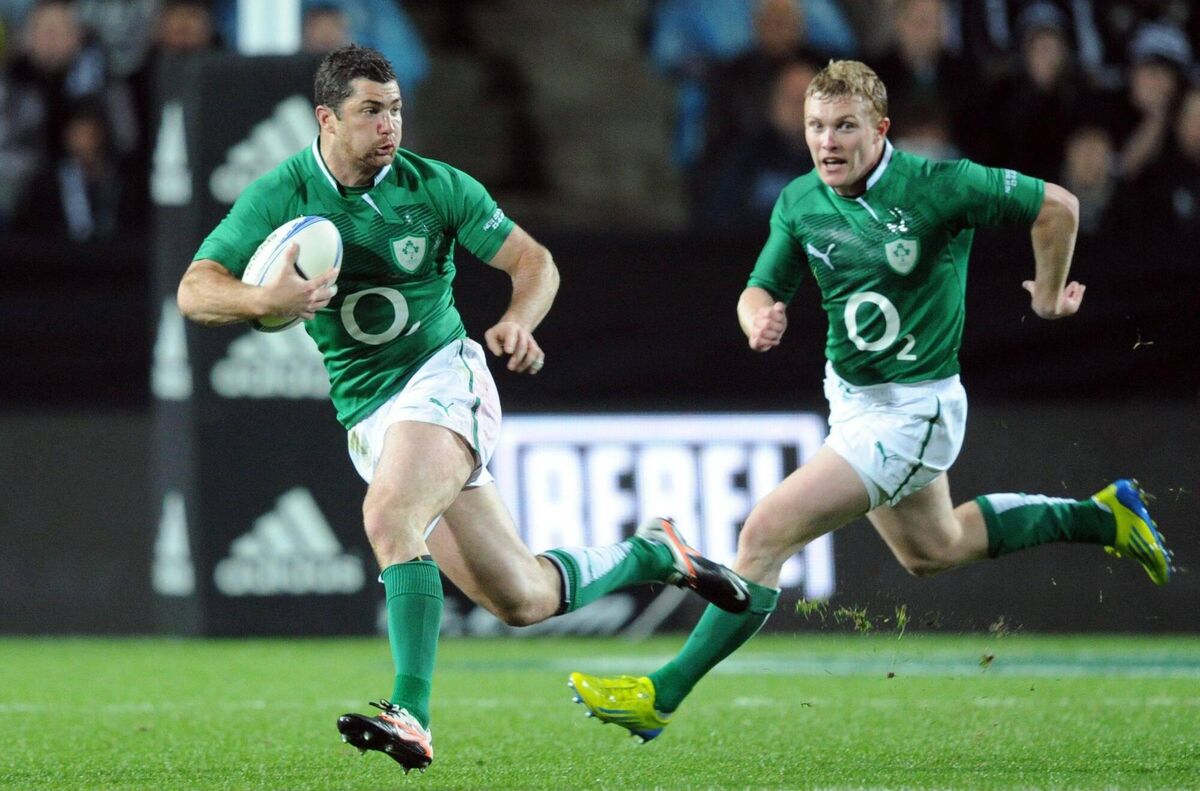
While touring New Zealand with Ireland in 2012 - a series the Declan Kidney-coached side lost 3-0, including a crushing 60-0 defeat in Hamilton - Earls visited a coffee roaster for the first time.
“It really stuck with me, the whole process behind it, from how the coffee is grown on a farm to how it gets into a cup,” he says. “It was something I felt a bit passionately about.
“I love the whole art and the science behind coffee between the gas flow, air flow and the different process of a natural bean or a washed bean or a semi-washed, how you have to roast them differently and it's the challenge of understanding what kind of coffee bean you're working with and what kind of roast profile will work for it.
“Always, when you get a new bean, you can end up fecking it up and then trying to learn how you can make it better, how you can make it taste nicer. It's the whole challenge of doing the bean justice, from what the farmers tell you that you should be getting out of the cup.”
Earls was at Thomond Park last Saturday for Munster’s victory over Saracens. There was something “proper old school”, as Earls describes it, about the game. A cold Saturday evening in January with Munster live on RTÉ desperately needing a win against English opposition to keep their European dreams alive. It could have been a game from 20 years ago. If George Hook had appeared at half-time to berate the Munster front row, you wouldn’t have batted an eyelid.
“It's nights like that you kind of miss but that's about it,” says Earls.
These are uncertain times at Munster. Graham Rowntree departed as head coach just six games into the new season after a run of disappointing results and there’s no timeline on the appointment of a permanent successor.
“We had our turbulent times when I was playing,” says Earls. “Bar Johann van Graan, I always had a (new) coach every two years or something. It was always turbulent, whatever was going on with Munster.
“It's a tough one because Graham brought us a trophy that we were trying to win for 12 years.
“I've nothing but great respect for Graham; he was brilliant to us, it was a brilliant environment he created for us - I never had that in my whole career in Munster.
“He just put the onus back on the players, made us accountable, brought in coaches who understood what it meant to be a Munster rugby player, which was very important for us.
“Don't get me wrong, we had some good coaches in, but sometimes they didn't get us Munster players and, you know, the problems can be unique and I don't think all the coaches got us.
“It just doesn't make sense to me how we finally get a trophy and yet the coach is gone halfway through the year. Obviously, performances dipped a small bit. At the end of the day, Munster's a big business. They needed to do what they had to do.”
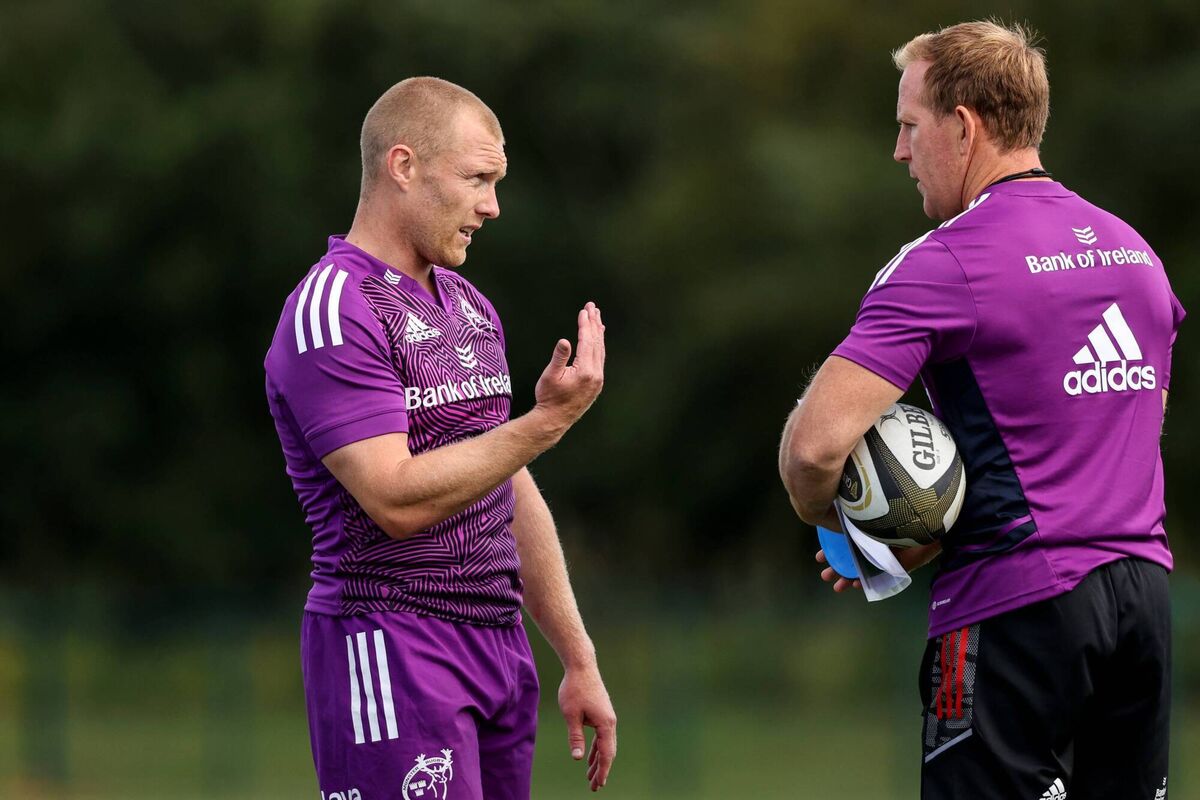
Mike Prendergast, who coached Earls at Munster and was a teammate 15 years ago, has thrown his name in the hat. Earls believes Prendergast is the man for the job but needs a director of rugby above him - like Munster last had with Rassie Erasmus and Anthony Foley - to really thrive.
“I'd be surprised if he doesn't get it. I'd be actually gutted if he doesn't get it,” Earls says.
“He's got great respect around the squad. He's well travelled. He's done his trade in France obviously,. He's been with good teams, he's been with bad teams. I love his philosophy. The one part of the game that is thriving at the moment is the attack, and lads are enjoying it.
“They probably need someone above him to take the heat off him between contract negotiations and media because it happened to Axel (Anthony Foley) as well. We'd struggled under Axel for a while because Axel was trying to coach and he was trying to deal with the media and he was trying to look after contracts. You could just see the change in him when Rassie (Erasmus) did come in.
“We were starting to click and unfortunately that day in October Axel passed away and then obviously Rassie went back to do what he's done in South Africa.
“Mike, he's at his best when he's coaching on the pitch and he's presenting to lads how to play rugby. He doesn't need to deal with the bullshit of the media and the contracts. He needs someone above him, but it's Prendy's stamp that's going to be important.”


CONNECT WITH US TODAY



Be the first to know the latest news and updates