Six Nations and the indefinable art of captaincy
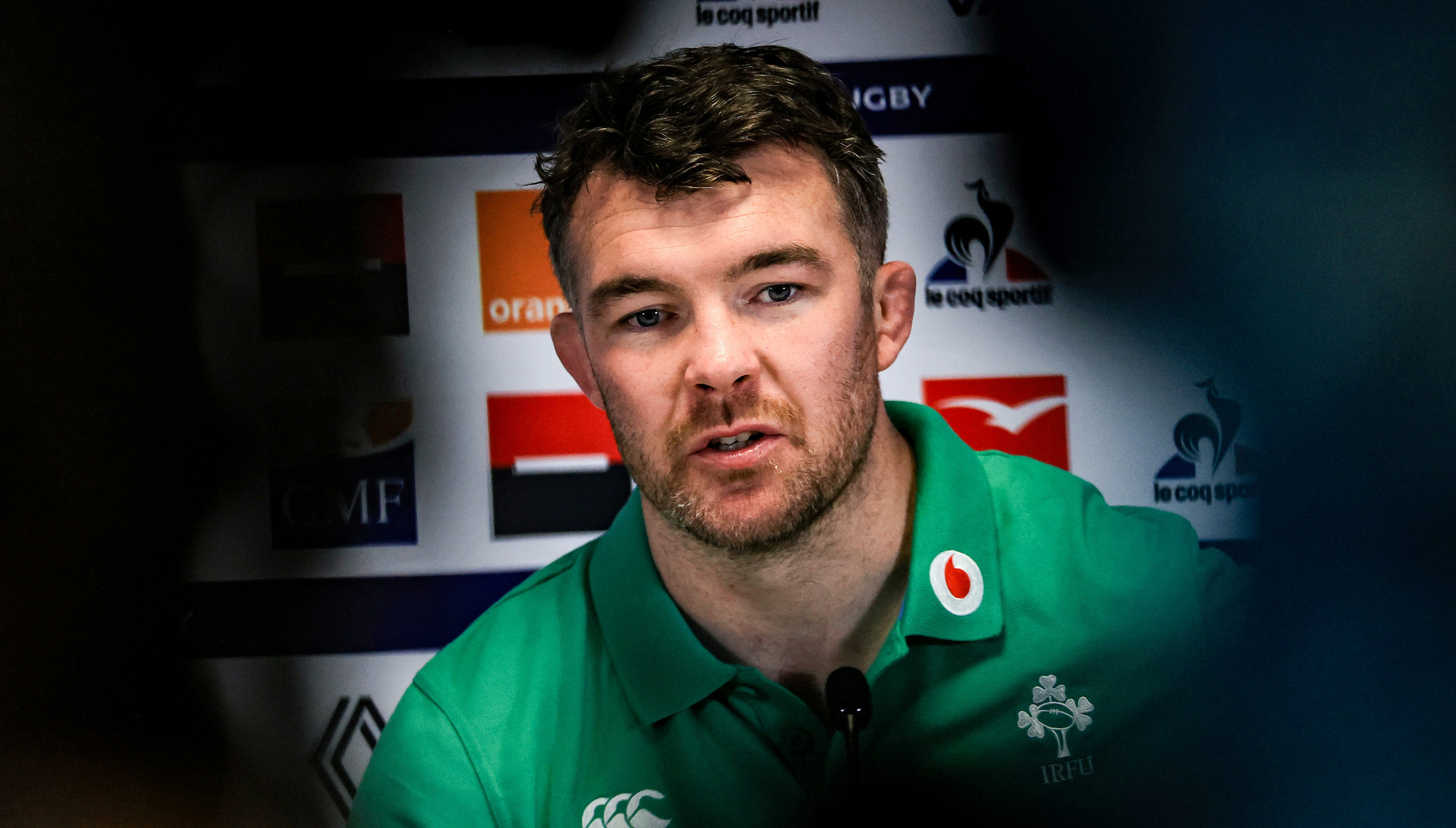
LEADER: Peter O'Mahony faces the press in Marseille.
The great Welsh rugby journalist JGB Thomas put a list to paper once of the qualities needed to wear an armband. The skipper, he wrote, had to keep their committees happy, appease the supporters’ clubs, attend all training sessions, study the opposition, make diplomatic speeches and stand absolutely above reproach.
This was over 50 years ago, so not all of that remains true, but Doug Insole’s tongue-in-cheek take is as on-the-money now as it was in the mid-20th century. The former England cricket captain had it that his role demanded the skills of a PR professional, an agricultural consultant, a psychiatrist, an accountant, a nursemaid and a diplomat.
Bottom line? Captaincy is one tough gig, but has the job description moved with the times?
The dictatorial coach or manager is a lesser-spotted bird these days. It’s not that alpha males don’t still roam every dressing-room. They do. It’s just that the trend now is for player empowerment and for leadership groups rather than the snarling boss with a loyal pitbull for the role of on-field general.
Warren Gatland has been there and has all the t-shirts. His coaching career started in the fading days of amateurism with Galwegians, the Six Nations was still only Five when he started in the Test arena, so he has appointed his fair share of captains and seen as many depart the stage.
“Yeah, it has definitely changed,” said the Wales coach. “One of the things that is important within the group, and we are probably a bit guilty of it in Wales, is that everyone assumes your appointed captain is the man who will be front and centre all the time and making all the comments.
“Sometimes maybe I’m guilty of that but the game has evolved so much over the years and it is so complex that you need leaders in all sorts of areas within the team: scrum time, lineout time, breakdown time, your nines and tens.” Gatland took this further at this year’s Six Nations launch when asked about this choice of 21-year Dafydd Jenkins as his point man for a Wales team that is in the midst of a generational, transitional change in personnel.
Gone are the Wyn Jones, the Halfpennys and the Biggars although the Kiwi coach will be looking to some of his remaining veterans to shoulder the burden of leadership on the pitch and off as the tournament and the international season find their legs.
The choice of Jenkins shows that there is no one-size-fits-all mould here. Gatland is happy to talk about reconstruction projects and four-year World Cup cycles – not just this one but the following one through to the 2031 event. Others are more circumspect.
Andy Farrell has put on record his distaste for the word ‘cycles’ with his ‘here and now’ mantra reflected by the choice of 34-year Peter O’Mahony as captain. And this four years on from promoting Johnny Sexton to the same role at the same age.
O’Mahony tends to lead by action rather than word and Farrell touched on the indefinable smorgasbord of characteristics that can make very different people very capable captains with his statement that certain types can walk into a room and just make it feel right.
Finding that type is the challenge facing any head coach.
All told, five of the six teams will go into this Six Nations with new skippers with Wales and Ireland joined by France (Gregory Alldritt), Scotland (Rory Darge and Finn Russell) and England (Jamie George) looking to new platoon leaders this spring.
George takes over from Owen Farrell who stood down from the Test game to prioritise his mental health so it isn’t surprising to learn that the new man discussed the role with his predecessor and took a weekend to fully mull it over before accepting.
If the heckling and booing Farrell took at last year’s World Cup, after the widespread criticisms he faced for his tackling technique, caused George to think twice then he was ultimately swayed by the enormous honour that still comes with the role.
Take Ireland. Only 109 men have captained their national senior team in the 149 years of international rugby and the honour is harder to come by now than ever. Thirteen held the role in the ten years between 1875 and 1885, the last decade has needed only seven.
There is no manual to follow.
George has spoken about the lessons learned from a list of varied visitors to the England dressing-room through the years, everyone from Alex Ferguson to Alistair Cook and Rory Keane to Gareth Southgate. Rory Best has been tapped up too after a shared Lions trip.
All players and coaches are magpies in that sense but what George has taken from all of them is the manner in which they have dug in so resolutely on their beliefs and Farrell has touched on that same point when using the word authenticity.
Maybe the best advice of all is to avoid overthink. The great Australian cricketer and commentator Richie Benaud summed up this school of thought when suggesting that the hallmark of a great captain is no more than the ability to win the toss and at the right time.
Who’s to say he isn’t right?
CONNECT WITH US TODAY



Be the first to know the latest news and updates