All-Ireland League rugby gives clubs cathartic release from 18 months of tests and tragedy

Stephen McMahon of Cashel stopped by Buccaneers.
There was nothing out of the ordinary, no warning shot, to suggest that the All-Ireland League tie between Buccaneers and MU Barnhall in early March of last year would merit its own minor mention in the history books.
Rescheduled because of the weather, the Division 2A tie was the only game on the calendar that weekend and it went more or less according to plan with the visitors earning the win that maintained their promotion push at the top of the table.
But the walls were closing in. On the AIL, on rugby, and on the world at large.
Another five cases of coronavirus had been detected in Ireland that same day, bringing the total to 18. The number globally had breached the 100,000 mark and the next week would see Leo Varadkar address the nation from Washington and the IRFU bring the game to a halt.
Nobody needs reminding of the 18 months that followed but the evidence is stitched into the collective consciousness and on the social media feeds of clubs where news of a stalwart’s passing, an online session, or a fundraising drive remains.
Sport has been readjusting its eyes to the light for some months now, blinking furiously as it returns to normality, and the men’s AIL finally returned last Friday night when Old Belvedere squeezed through their 1B game against Naas at Ollie Campbell Park.
Buccaneers made their own return the following afternoon, an injury-time try from full-back Ruaidhri Fallon handing Kolo Kiripati’s side an unlikely win having played an hour with 14 men and resisted a lengthy second-half siege from Cashel RFC.
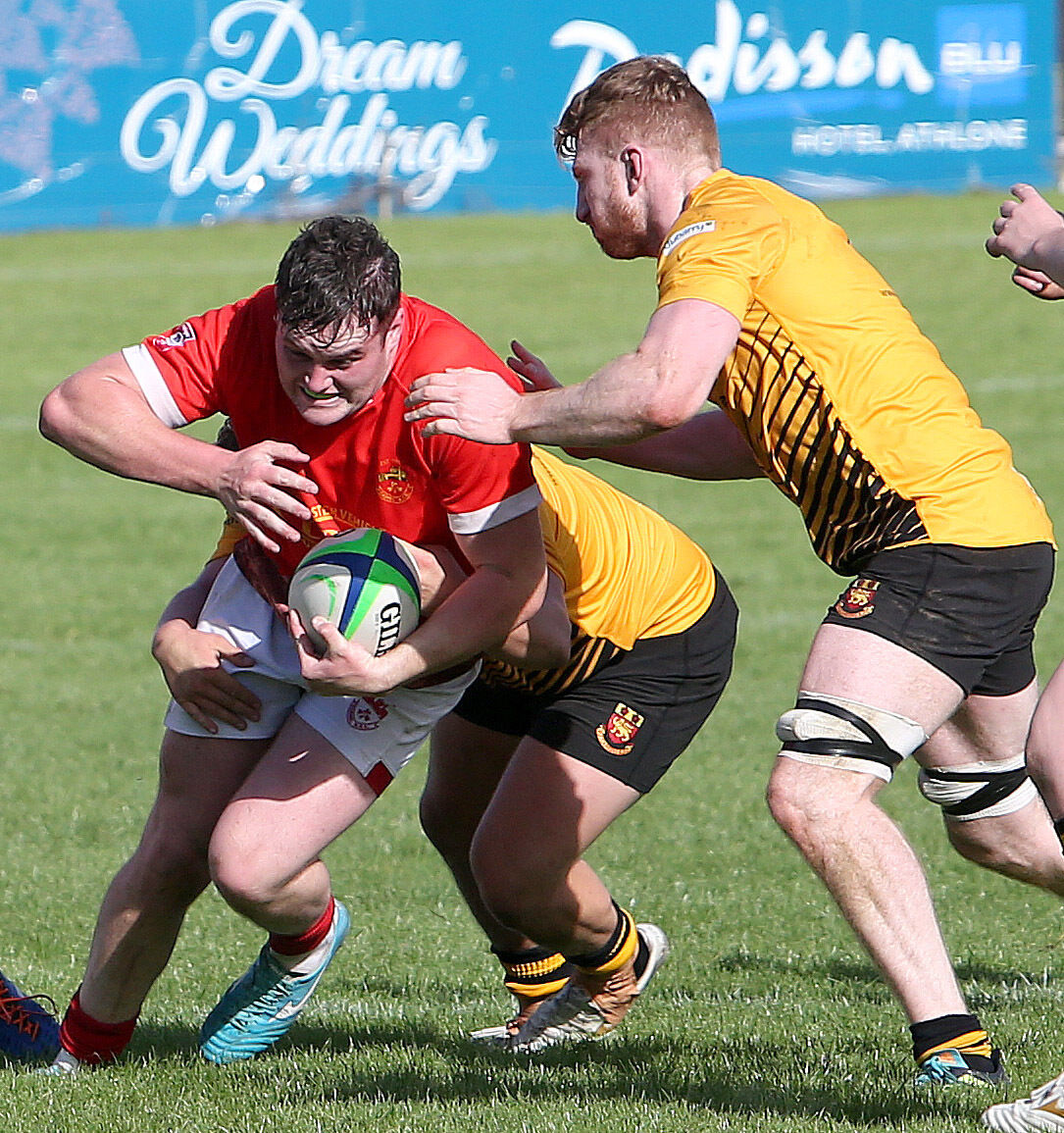
Rotten luck for the visitors but the perfect way to ring in the new dawn for the Athlone side and team manager Joe Browne couldn’t have summed it up better after a game that could be better described as a sort of cathartic release.
“That was hard. It was good to remember them today and you could see what today meant to the team. We had been training on Zoom and on Teams and sending each other programmes, lads not being able to be with each other.
“We got back but there was all sorts of restrictions and protocols but we were glad to be back and now we are here today, first day of the AIL, and a lot of lads coming together for the first time. We haven’t trained together a lot but we are just delighted to win.”
If the men’s AIL marks yet another staging point in rugby’s return to normality then it’s only the most visible.
The women’s AIL returned the weekend before and what are clubs if not lightning rods for the health and well-being of entire communities?
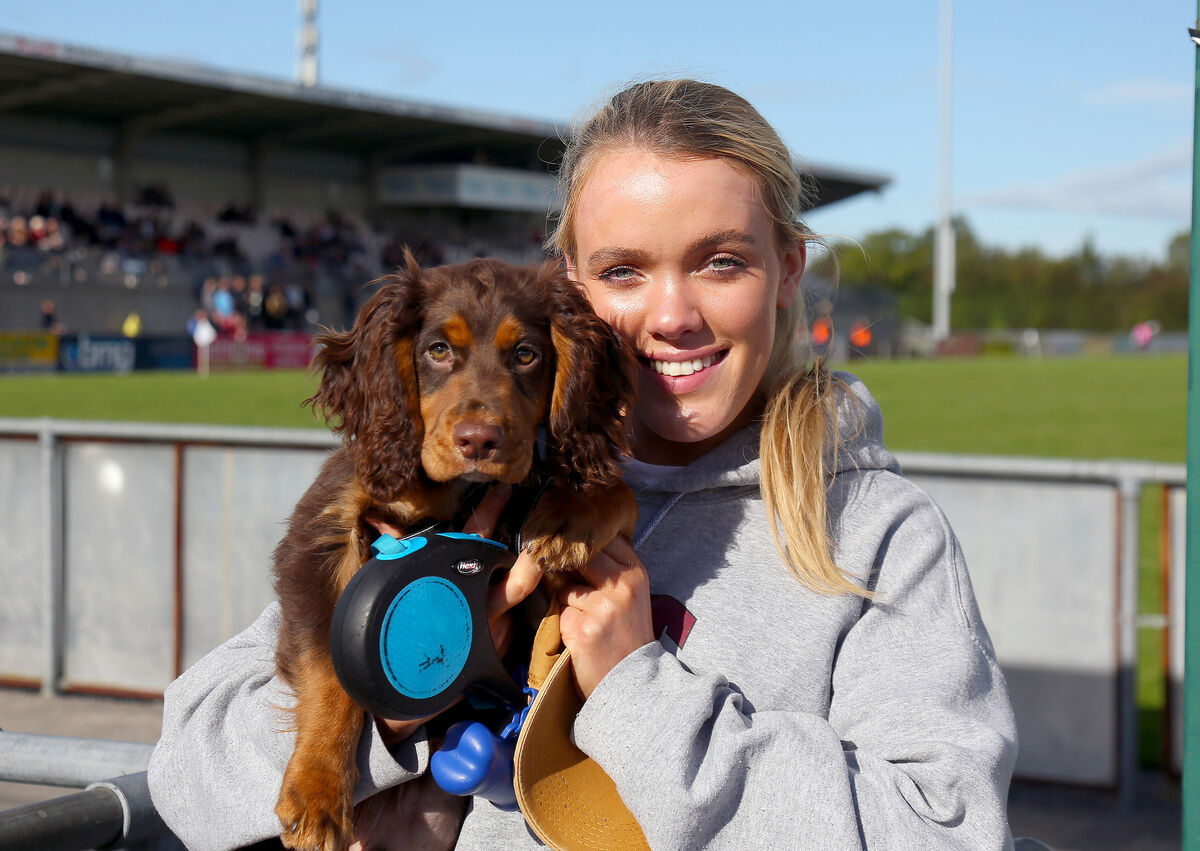
The preceding weeks saw AIL clubhouses around the country open their doors again in a variety of ways that never make the papers. They played host to men’s sheds, rugby tots, Bridge clubs, boot camps, and any number of other events that bring life and soul to an area.
Halloween and Christmas office parties are being advertised again, Lansdowne are planning a club trip to San Sebastien and Biarritz next year: yet more proof that the international binds that tie rugby were only relaxed for a bit rather than broken.
Yet all sport, as with politics, is local.
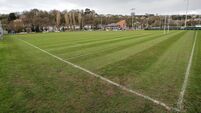
Dubarry Park’s importance to the town of Athlone and a hinterland that embraces Westmeath and Roscommon extends to the invasion of mini-rugby players that kickstarts the weekend and the roll call of sides that wear the colours.
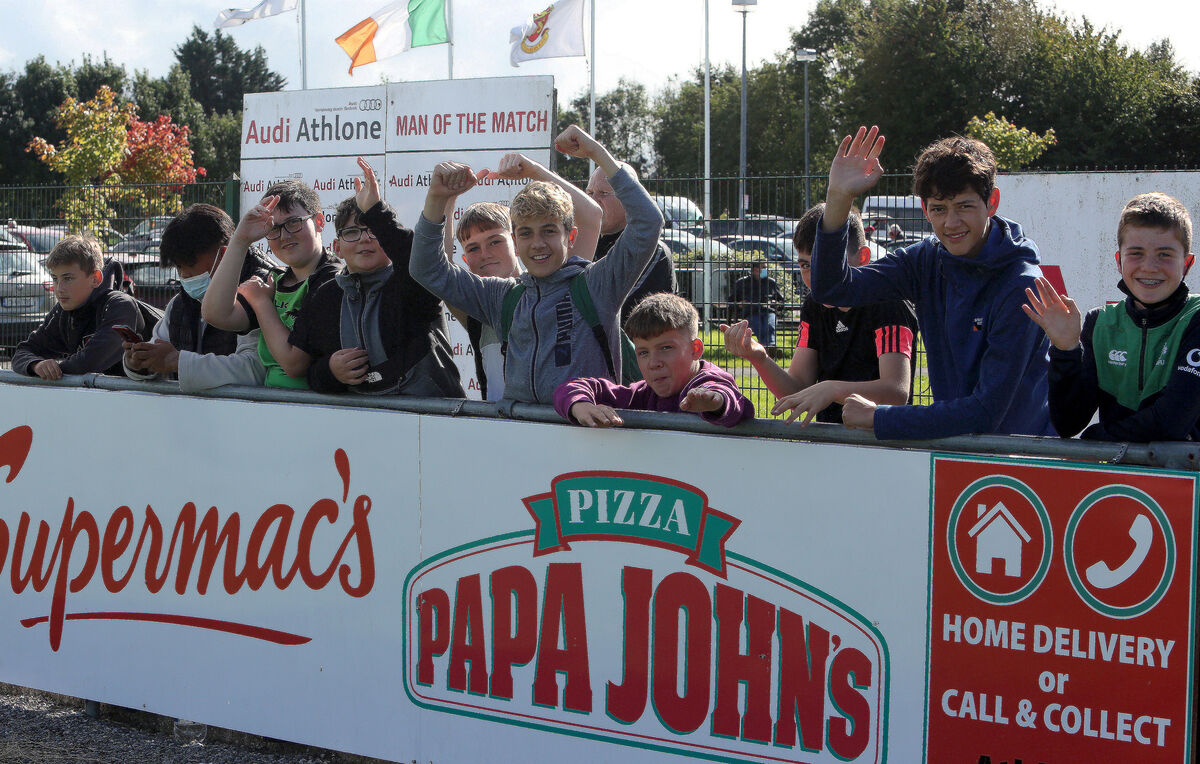
“You wouldn’t get a parking spot here on a Saturday morning,” says club president Eamon Collins.
This is a club that boasts 500 members and 25 teams, an organisation that has had to set up a satellite in Monksland just over the county line in Roscommon. It needs room to grow but will likely find itself surrounded by housing on all sides in the years to come.
A familiar irony.
Once the central cog in the domestic rugby scene, the AIL has been treated as a spare wheel since the advents of professionalism but its importance to the domestic ecosystem is more vital than ever as the game gets back to its feet.
Buccaneers, for example, have a long and illustrious history of feeding players through their ranks and on to Connacht duties. And beyond. Only a handful of others can say they have produced players for the World Cup, an Olympics, and the British and Irish Lions.
And it’s not just the Robbie Henshaws, Jack Cartys, and Jordan Conroys. The girls' section has its own graduates cum laude with Faith Oviawe representing the Connacht seniors this year and Ivana Kiripati and Eloise Clarke featuring for the U18s.
That visibility remains crucial for the younger generation.
“I was here the day Robbie came to the club,” says Browne. “U8s, he was probably seven. My own lad was here the same day. Robbie came all the way through minis and youths. He didn’t play senior because he was straight into Connacht but Robbie is a fantastic ambassador for the club. He is here on the ground, you know?
“He won the Senior Cup with the Marist College. I remember after we lost to Argentina in the Millennium Stadium at the World Cup. On the Monday Robbie was in taking a training session with the Marist. No-one had asked him. That’s the kind of thing that goes on here. They see the role models out there and they want to play rugby.”
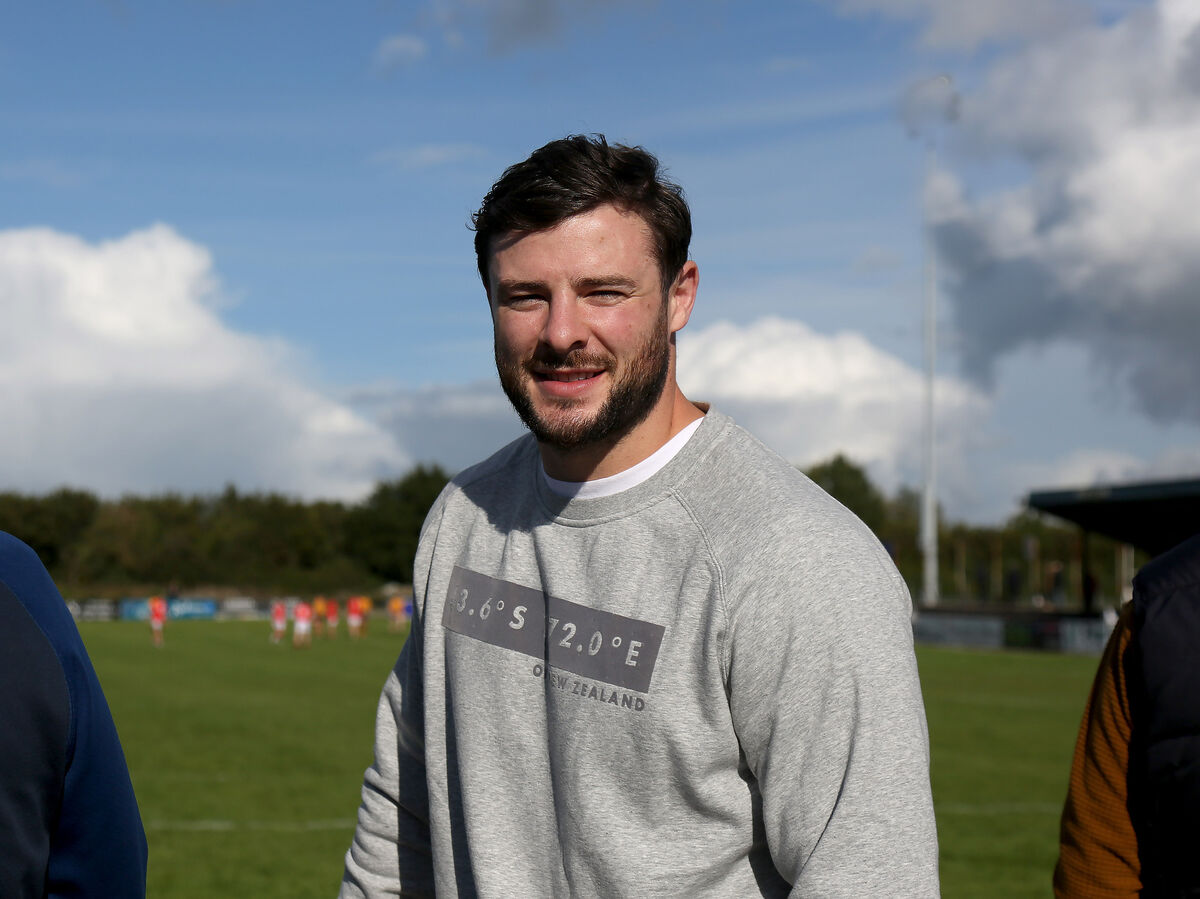
Henshaw, yet to feature for Leinster this season after his summer stint with the Lions in South Africa, was on hand to take in the Cashel game on Saturday.
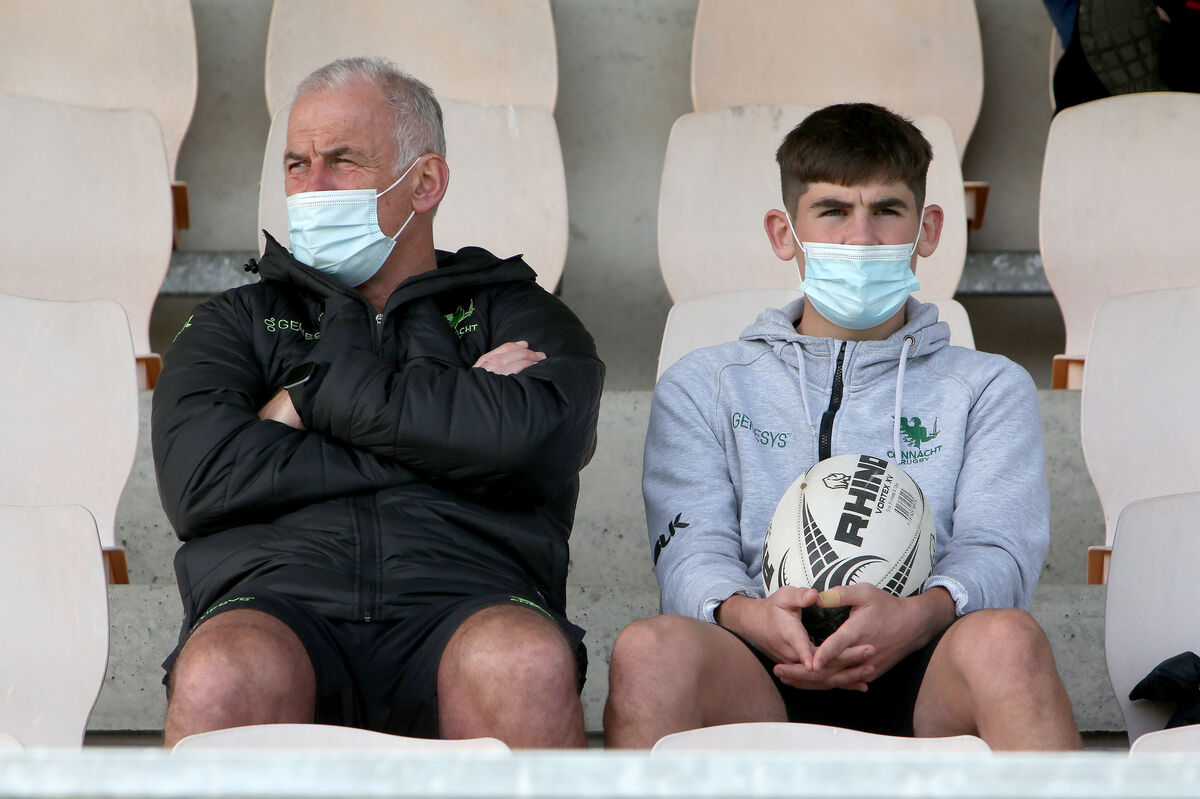
So too was Eric Elwood, Connacht’s academy manager, who gravitated to the midlands for his own reasons.
Six of his academy players were pitching up with the Pirates. Another two were unavailable due to injury. That they only had one session with the Buccs group prior to the game isn’t ideal, but the AIL needs quality players and players at academy level need games.
All told, only eight of the squad that faced MU Barnhall in that game in March 2020 saw action on Saturday against Cashel, the usual turnovers of players between seasons only exacerbated by the pandemic and its lockdowns.
“We are very lucky that Andy Friend down in Connacht wants everyone in his group to play,” says Browne. “If Connacht aren’t playing, or they’re not selected and injury-free - they’re in the academy so they’re not professional players - then they come here and they play rugby.
“They need it. They come in here and they raise the standard. It’s good for everyone, they enjoy it, and hopefully we’ll continue to have them. The local lads embrace it as well, they know they have a fight on their hands for places.”
Next up, a six-hour round trip to Ballymena’s Eaton Park. Happy days.


CONNECT WITH US TODAY



Be the first to know the latest news and updates