Jono Gibbes: The man who helped Leinster make the breakthrough - and now planning their downfall
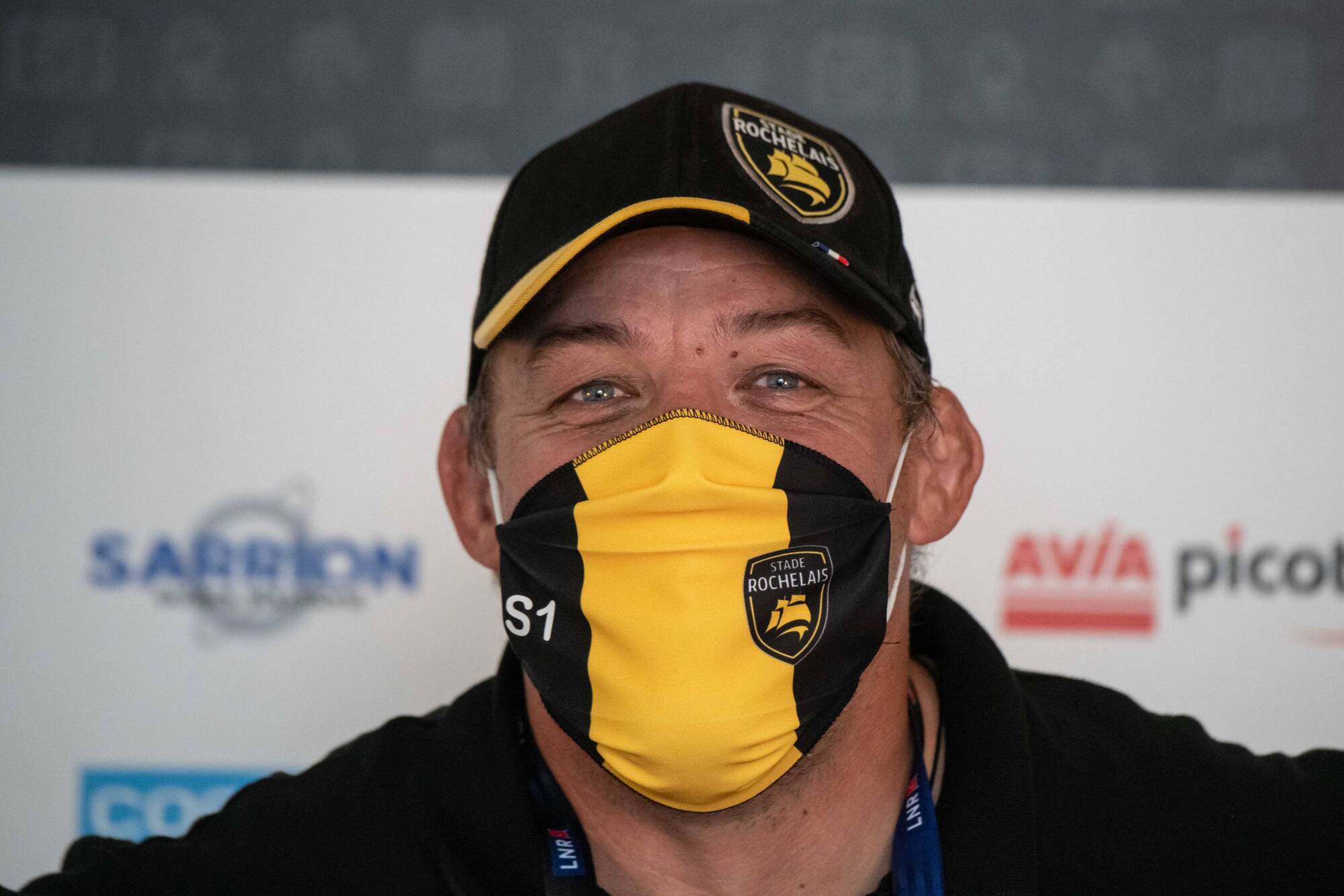
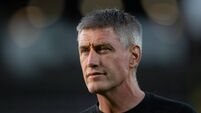
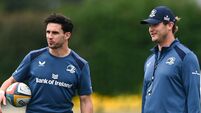
La Rochelle's director of rugby Jono Gibbes: His role in Leinster’s transformation from nearly-men to perennial champions has rarely received the attention it merits. Picture: Getty Images
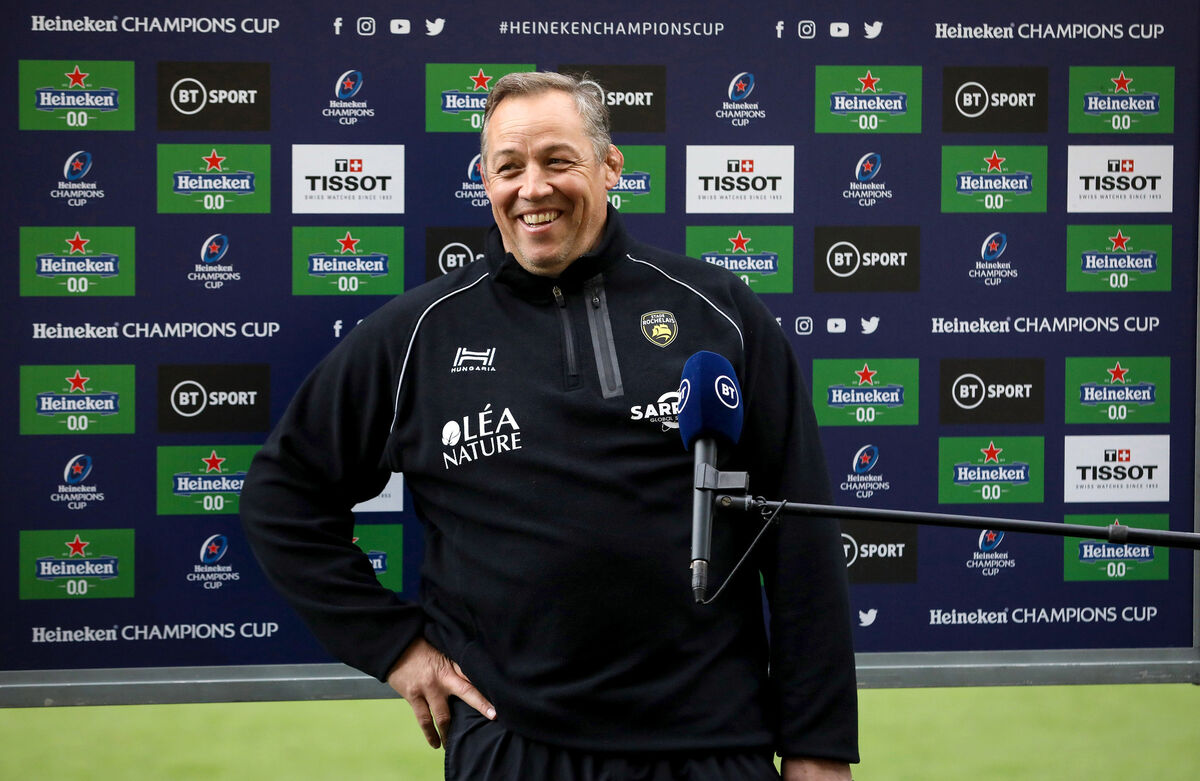
History may be written by the victors but not all of them put pen to paper. It was Michael Cheika whose name was above the door when Leinster won their first Heineken Cup in 2009. Joe Schmidt was the man centre stage when they followed it up with back-to-back titles in 2011 and 2012.
Consider this, then. Leinster won their breakthrough title in Jono Gibbes’ first season as forwards coach and yet when people talk about a southern hemisphere catalyst for that success they invariably swoon over Rocky Elsom and his talismanic performances.
Elsom left after just one campaign but Leinster’s rise had only started. When Gibbes left for new surrounds after six seasons, to work under Franck Azema at Clermont, it took Leinster another four years to win a Celtic League.
Now, there are any amount of variables that had to align for that to happen, but the fact is that Gibbes’ role in Leinster’s transformation from nearly-men to perennial champions has rarely received the attention it merits.
That his current role as director of rugby with a club that has come to be known here as ‘Ronan O’Gara’s La Rochelle’ has largely been overlooked is only understandable but then the man himself has worked in a fashion that hardly invites a spotlight.
The Sud Ouest newspaper, which ran an interview with Gibbes recently after confirmation he would leave La Rochelle for the same role in Clermont this summer, described him as one of the most-low key operators at that rarified level in the Top 14.
An unease with the limelight was apparent during his early days with Leinster.
His first coaching job, he was often hesitant, clearly less than comfortable, when ushered forward to deal with the media. It didn’t matter. Those on the ground knew his worth.

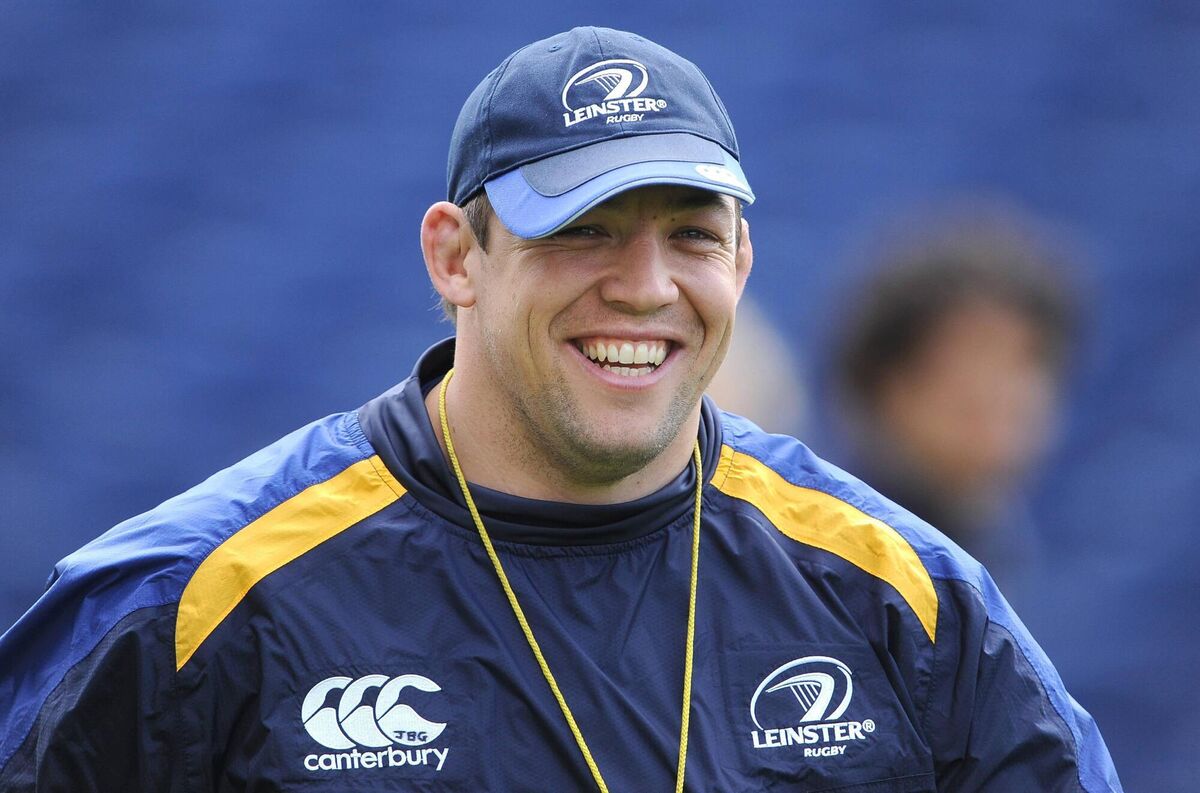
“Jono was huge for me as a young player coming through,” says Devin Toner. “Whatever team he’s with, he brings a hard edge to it because he was obviously a fantastic player himself. He knows what it was like to play at such a high level and he got involved in training a lot more than other forwards coaches would.
“He was always holding a bag and would always put an extra bit of weight behind the bag if you were hitting it and coming up as a young player. He was really good for me. Lineout-wise he was very good, he put a lot of analysis in and learned a lot on the way, but the main thing was his mindset and how a forward pack should work and should go about its business.”
He bowed out on the back of a PRO12 final defeat of Glasgow Warriors, Jamie Heaslip waxing lyrical about how Gibbes had grown as a coach over the length of his stay and how his new club was gaining a “massive coach” and an
utmost pro.
Gibbes had come to Ireland on the back of a respected playing career with Waikato and the Chiefs. Eight caps in the back row for the All Blacks was a respectable haul given the competition but he peaked when captaining the Maori to a win against the British and Irish Lions in 2005.
Now 44, he was just 31 when he made Dublin home.
Look at that coldly, and from this distance, and he made for a massive punt, not least for a club desperate to take the last step to the top.
Forced to retire because of injury, he held some coaching badges but made the point himself at the time that time spent working with the likes of Warren, Gatland, Steve Hansen, and John Mitchell were his main qualifications.
Cheika described him on arrival as a “hugely ambitious” coach and Gibbes himself gave insight into his career path earlier this year when explaining to La Montagne how everyone needs to take their future into account when it comes to the day job.
“I have to progress my skills, my experience, continue my career in the same direction. We ask players to be ambitious, I have to nurture the same value. I have to have ambition to be better at what I do. This is part of my reflection, although that’s not the only point.”
That considered, clear approach has been evident for the best part of the last decade. There are a fair few barometers for judging success when it comes to coaching but this is a guy who has had five jobs across more than 10 years and never been fired.
When Schmidt swapped Leinster blue for Ireland green, Gibbes’ was one of the names mentioned as a likely successor but he opted against throwing his hat in the ring on the basis that he was still a young coach with plenty to learn.
That took wisdom. And faith in his own abilities and journey.
He stayed at Leinster until 2014, finishing his time there with a season working under Matt O’Connor. A “real education” he labelled that first posting earlier this week, and the evidence of his time since suggests he was a Grade-A student.
He was mentioned again as a possible candidate for the top job at Leinster when O’Connor’s contract was allowed to run out in 2016 but, here again, he decided to stick rather than twist and the reward was a Top 14 title with Clermont the following year.

So far, so assured.
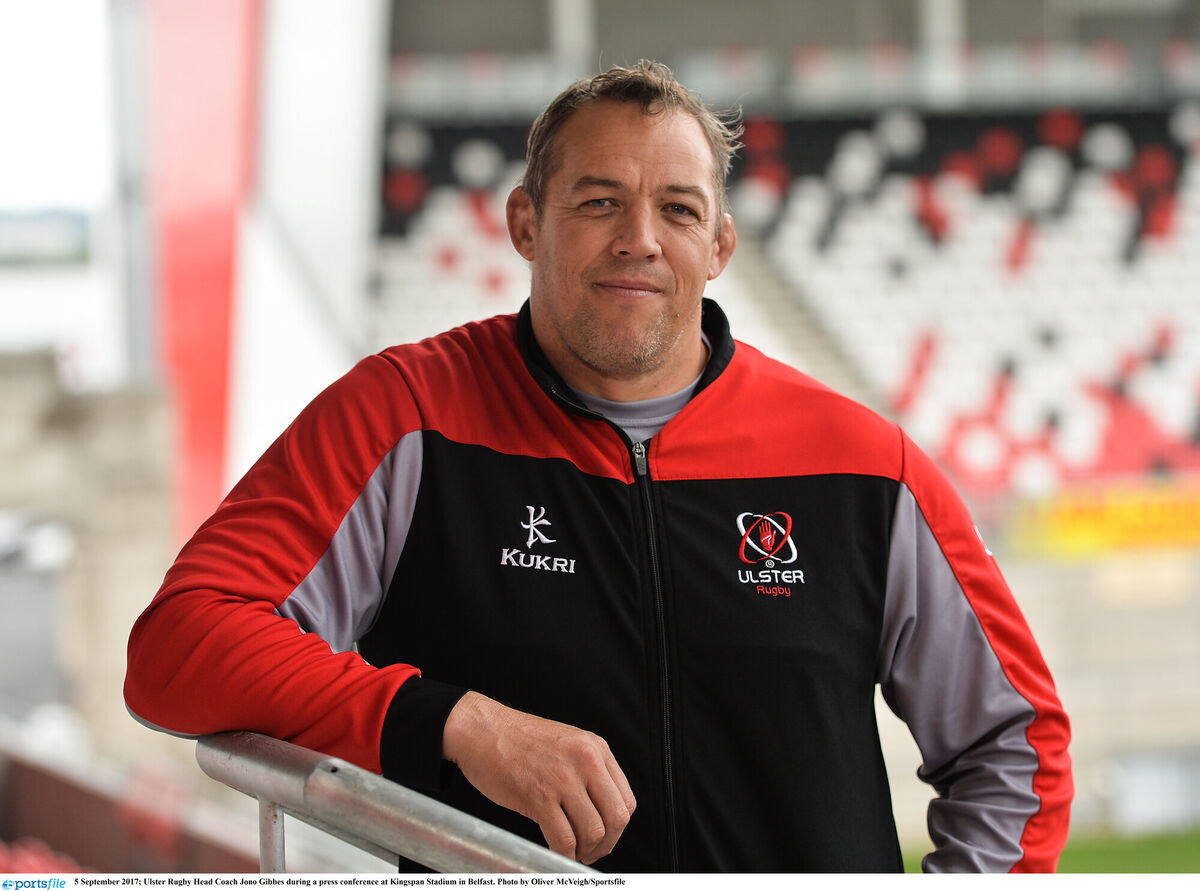
By now, it seemed only a matter of time before the offer of a top job would appear that was too good to turn down. He impressed when interviewing for the Queensland role around that time but ultimately ended up accepting the role of head coach with Ulster.
What followed was a disaster. Promoted to director of rugby within months, on the back of Les Kiss’ departure, Gibbes announced his intention to quit just over a month later when declaring the desire to return home for family reasons.
What followed was worse. A role with Waikato was quickly confirmed but that was before news emerged of a flight to La Rochelle taken days before Ulster’s crucial Champions Cup play-off game against Ospreys. A tetchy press conference in Belfast followed and summed up the general mood.
Bryn Cunningham, the province’s operations director, had already admitted that Ulster were at “rock bottom” when Gibbes first served his notice two months before but now Stephen Ferris was accusing him of having “some nerve” for embarking on the trip to France so close to such a big game.
Confusion lingered even after that last game at the Kingspan, which Ulster won. The man himself filibustered when asked to clarify his next destination by talking about the packing that needed to be done and the job involved in a 35-hour journey home with three children. It was all very unedifying.
Gibbes did move back to New Zealand, but only for a five-month stint with Waikato, before linking up with La Rochelle. The bitter taste behind at the Kingspan was recorded later in a Rory Best autobiography that was far from heavy-hitting.
What made the mess even less palatable was the esteem in which he had been held as a coach. Even Best, so disgruntled as he was by events, admitted that he would have considered following Gibbes to La Rochelle had he been asked. That’s how highly he rated him.

“When he walks into the room, a bit like Andy Farrell, he automatically gets your attention straight away,” said Best this week. “And he just has a way of delivering things. He is very technical but there’s not a lot of BS or frills with it. He just makes it quite simple.
“He probably surprised me how technical he was when he came to Ulster because I just thought of this big man and he would just be about mindless throwing your body into things. ‘Just go and smash them, that’ll win the day’. But his technical ability was something that I think is his greatest strength.”
Ulster was a stumble in what has otherwise been a seamless rise up the ladder and it’s worth adding here that Leinster team manager Guy Easterby was effusive in his praise for how up front Gibbes was when foregoing the chance to take over there.
Azema was equally generous with the commendations when hailing the news that his old right-hand man would be his successor at the Stade Marcel Michelin later this year in a move that only franks the impression of a coach plotting a careful and controlled course upwards.
For Gibbes, like O’Gara, the only way seems to be up.
There was talk of a role under Cheika again, this time with the Wallabies, during his brief stint with Ulster but it looks as odd a suggestion now as it would have been then. Test rugby may be the pinnacle but why revert back to lieutenant when you’re already a general?
The same reasoning held only months ago when Azema was linked with a switch to Montpellier and Gibbes was fitted by some for a seat in the Frenchman’s sidecar. The question now is whether Clermont proves to be an upgrade on La Rochelle.
His current club sits second in the Top 14, two places and eight points above Les Jaunards whose interest in this season’s Heineken Champions Cup is already over.
Whatever the next chapter holds, it is unlikely to be the last.
CONNECT WITH US TODAY
Be the first to know the latest news and updates