The big interview: Tyler Bleyendaal’s triumph in the face of adversity
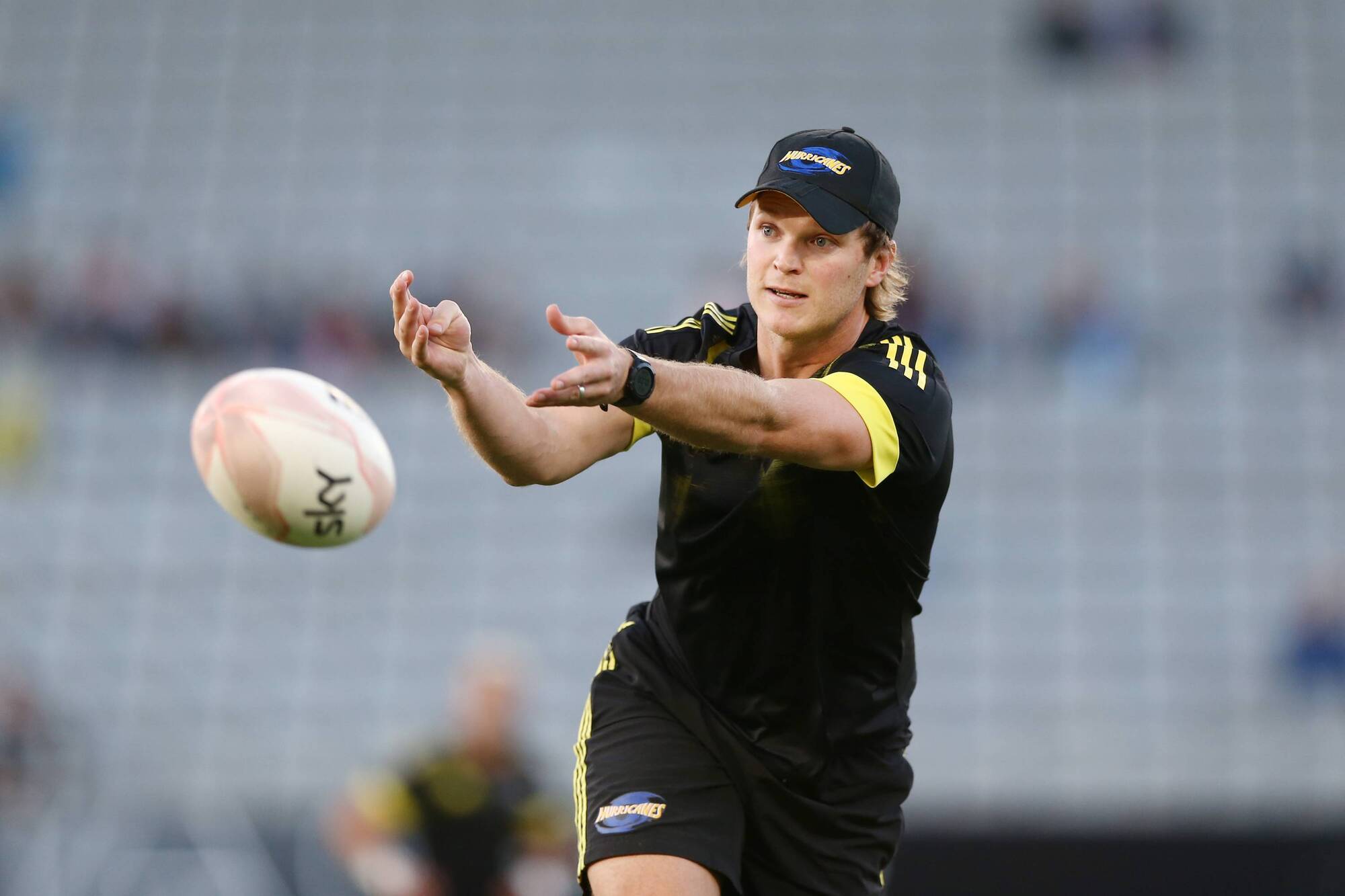
Assistant Coach Tyler Bleyendaal partakes in training with the Hurricanes earlier this month. Throughout his career he has led on the field and in the dressing room, like his Munster nickname indicated, ‘The General’. Picture: Anthony Au-Yeung/Getty Images
An emotional Canterbury dressing room sat in silence as head coach Scott Robertson passed the floor to Tyler Bleyendaal. It was September 2014, and the 24-year-old was unable to sleep or sit without medication. His season was done. Time to say goodbye.
In May, it was announced that the New Zealand out-half would join Munster. In the meantime, he was determined to drive the red and blacks to their seventh National Provincial Championship in a row. Then a blow to the head against Waikato brought turmoil.
Doctors uncovered a neck issue but were not sure about its severity. Soon they discovered it was a prolapsed disc and surgery was discussed. It proved the dismal starting and ending point to Tyler Bleyendaal’s Munster career; his arrival was delayed because of a neck injury and it would ultimately force his retirement.
After he was ruled out, a rivalry clash with Wellington loomed and Robertson asked Bleyendaal to address the players. He was a local boy, a product of the renowned rugby production line at Christchurch Boys’ High School and a revered thinker on the game. His move abroad was primarily forced by an absurd Kiwi number 10 backlog. That year’s Canterbury squad included Dan Carter, Colin Slade, Ryan Crotty and Richie Mo’unga.
Talent that was respected, knowledge that was appreciated. They did not want to see him go and made it clear he would be missed.
“It was weird. I played and then suddenly I was out injured and leaving…” he recalls now from Wellington, where he lives with his wife and two kids.
“Canterbury is a really tight unit. For the boys, it was apparent I was done. It felt abrupt. It was tough, a really sad time I have to admit. I put a lot into that and had plans for the campaign, it was pretty emotional to not complete it with them. Especially the way it finished.
“It was a neck injury, which is serious obviously, but it was probably portrayed as worse. It is like any injury. As a rugby player you get into a routine. Injury, get assessed, look into surgery and then a rehab process. Go hard until you are fit again and get playing. At the time, it was never about retirement or career-ending from my point of view.”
The day after that speech, Robertson, now the head coach of the Crusaders, made a telling prediction to the press:
“Everyone speaks really highly of him and he will be a coach, one day, no doubt.”
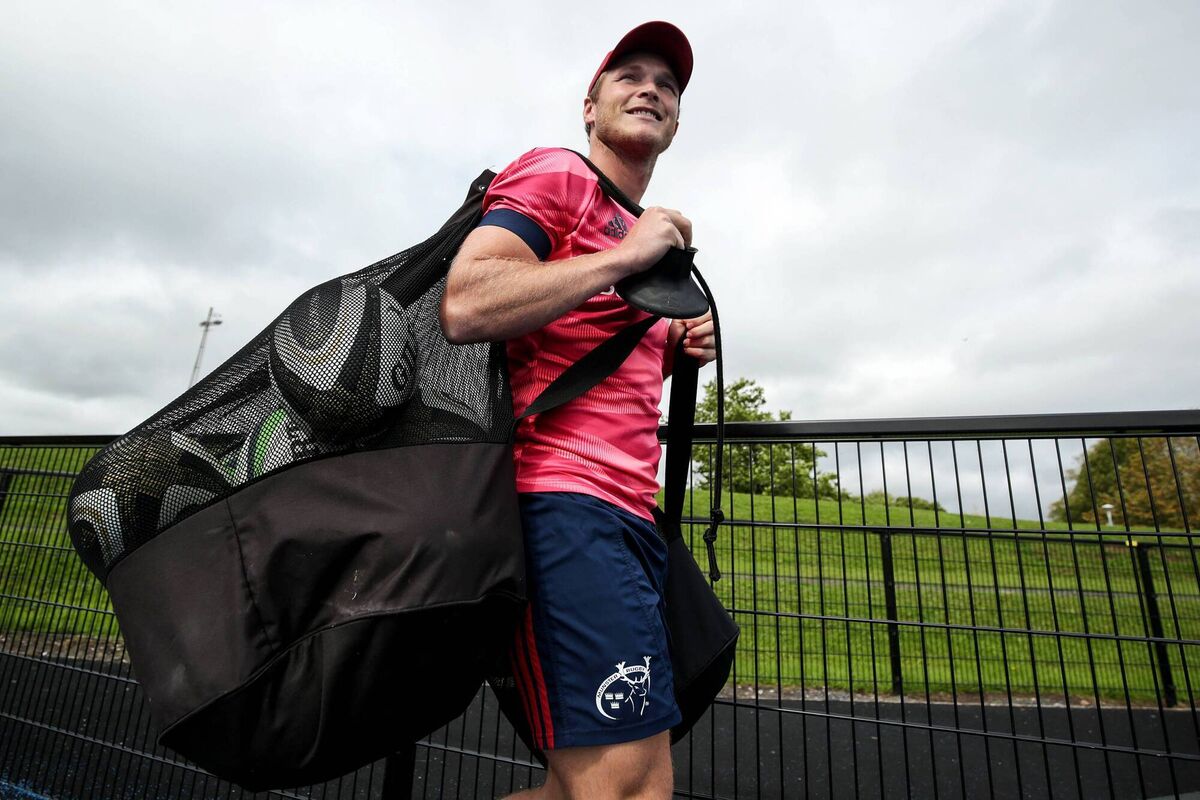
It has become a trademark. All who encounter Bleyendaal rave about his rugby brain. It is the reason that after retiring from rugby in 2020, he joined the Hurricanes coaching setup where former Munster player Jason Holland is in charge. Holland knew all about his intellect having worked with him in Limerick.
It started in 2010 when he captained New Zealand U20s to their third consecutive Junior World Cup. Dave Rennie selected Bleyendaal to captain the team after noticing his leadership skills around the camp.
Whether it be work on the training ground or pen and paper exercises, the young number 10 excelled. There is no doubt Tyler’s passion is tactics; yet he speaks with similar enthusiasm about developing emotional intelligence.
Throughout his career with Canterbury, the Crusaders and Munster, he saw up close how important leadership was on the field and in the dressing room.
That is why last September before he returned to New Zealand, he was asked to do some work with the Munster squad on this very topic. They were a squad undergoing much change in the midst of global chaos.
Clear and calm heads were never more necessary. Bleyendaal brought them through a series of exercises designed to develop a pack mentality. Each individual, old and young, analysing how they talk, how they act, how they think around the group. How to prioritise the group.
Perhaps it was fitting that after five years with the club, this was his final interaction. He arrived in 2015 after numerous offers from the province. First it was Rob Penney looking for injury cover. That didn’t pan out but eventually, under Anthony Foley, Munster got their man.
Since Ronan O’Gara’s retirement in 2013, identifying an heir had proven a tall task. The New Zealander was to stride in and lead a bold, cutting-edge side into a bright and attacking future. Under the residency rule, he would qualify for Ireland in three years. A brilliant operator was coming to exhilarate club and country.
Life is rarely that straightforward.
He came with his then-girlfriend and now wife, Laura. There was the injury, and they had no network. They were in their early 20s and knew nobody. Both struggled to settle but pledged to make the most of an alien opportunity. Laura went home for a month within the first year, Tyler did what he could.
“It was an interesting adventure. I had never flown to Europe and then I arrived in Shannon airport at the end of January. For me, as a person, I had a group of mates there in the club, guys to socialise with. My wife didn’t have that. That is difficult.
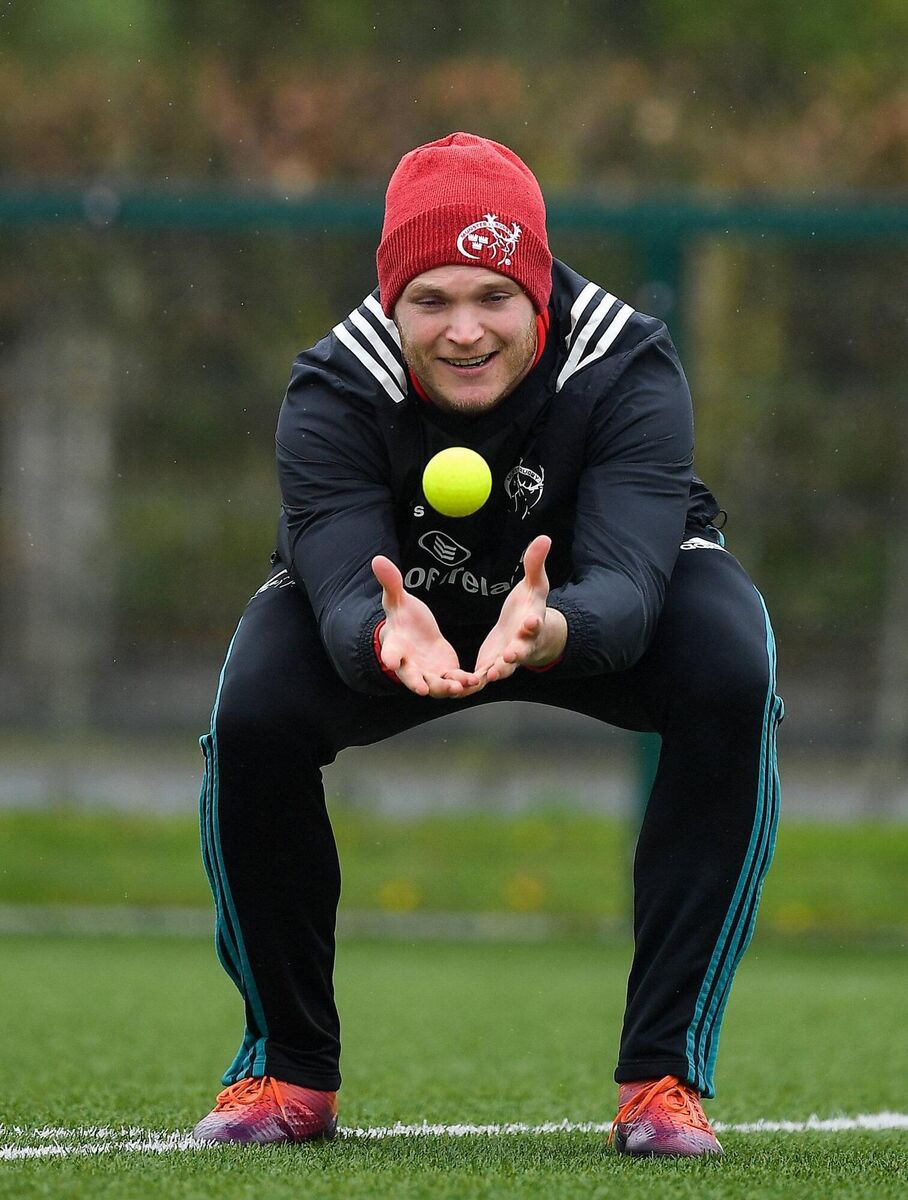
“The challenge for me was that I wasn’t playing. It was really hard to impose myself on the environment and show what I had rugby wise. Even to be myself, you were always wondering what are these guys thinking? That was tough. The club was really accommodating and patient.
It was a new adventure for both of us really. It had its challenges for sure, but I took so much from it.
A nickname quickly caught on: The General. One player from that squad recalls Bleyendaal carrying his trusted notebook everywhere he went. The Kiwi cracked it open and delivered exhaustive breakdowns in team-meetings before he had even played a competitive match.
“I guess the good thing is I could try and contribute even though I arrived injured,” he explains.
“That may be a frustration for coaches. There was never a time I could switch off. I was always thinking, challenging, imposing something new. I like to get stuck in. I think when you have a long-term injury, you have to.
“It comes from that rugby brain or whatever you want to call it, I love to keep involved. Problem solve, challenge, refining what we were doing. I like to think I was helpful. You’d have to ask the other guys.”
Several superb showings soon demonstrated what he could offer. In 2016/17, Bleyendaal was voted Munster player of the year and named on the Pro12 Dream Team. The famous win against Glasgow that season remains a career highlight.
As he talks now, he remains astonished at the sea of red that greeted the team when they emerged to play Saracens in the Champions Cup semi-final that year.
Yet, the entire stint was defined by a furious hunt for the top rung. That search for silverware failed while their bid to shake off a reputation for conservative rugby garnered mixed results. Issues that remain to this day.
The more things change, the more they stay the same. He admits it is something he still often thinks about.
What was it exactly that went wrong?
“I just think about how things didn’t work out in pressure situations. Key moments, penalties, key outcomes from a lineout drive, our scrum in terms of clean ball, giving up scrum penalties.
“Dominance up front is just massive these days. I think the reputation was unfair, but some of the criticism was definitely warranted.
We didn’t take opportunities that were given to us in big matches. At times we played too narrow and direct. You can see where people were coming from.
“It is not a reflection of all the work and skill level within Munster in the time I was there anyway.
“You can introduce so much variety in the attacking game, but it still has to be implemented by players as well. I just think under pressure, not even blatant poor decisions, you just do not see what you hoped to.
“You look at the film in hindsight and think ‘man. That was so obvious.’ When you are in the thick of it, under pressure, it does not always happen that way. That doesn’t represent the work, ambition, training or our game plan. The problem is a mixture of things.
“With Munster, we had opportunities in big games. We made play-offs and finals. We needed to find a way to take those opportunities. We talked about leadership development earlier. It was trying to put together building blocks to be able to execute on those occasions.”
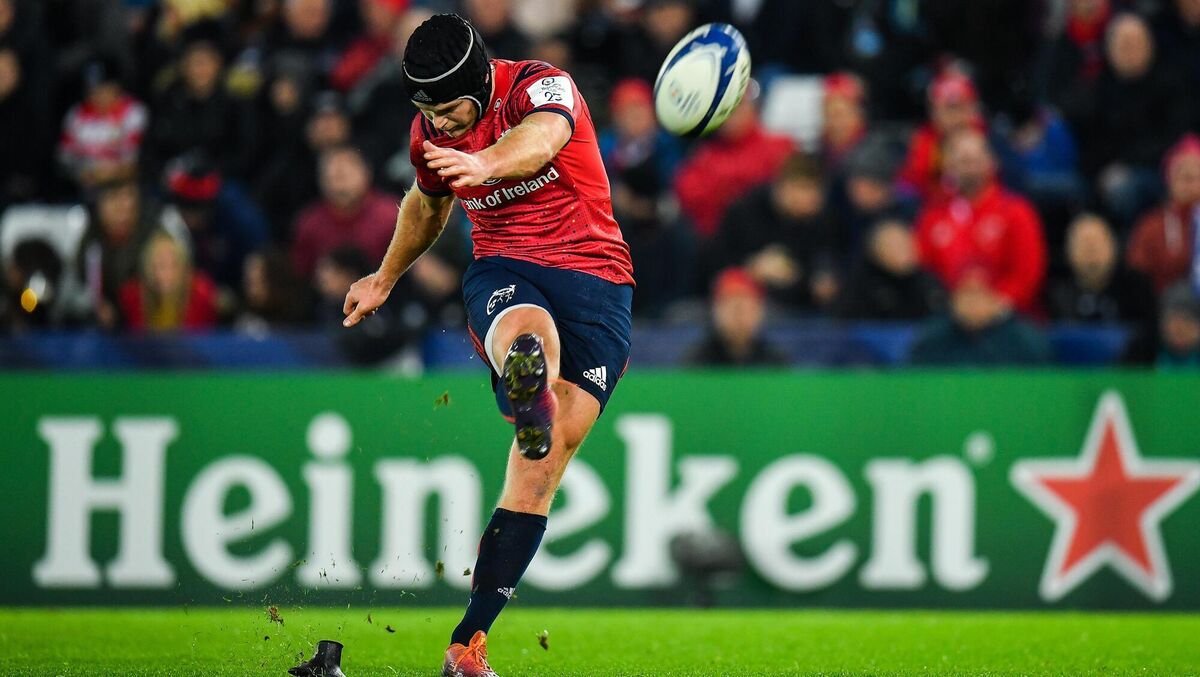
The importance of leaders. During his playing days and now as a coach, the former fly-half encountered several good examples. Richie McCaw, Kieran Read, TJ Perenara. Spearheads. Leading the line, role models in their skill and will.
In Thomond Park one, in particular, stands out.
Who is the perfect example of what you are looking for? Keith Earls, without a doubt.
“First of all, the person. The way he carries himself in the environment. The aura about him, he is such a wise experienced guy. He is a local fella too.
“You see his skill on the field, which is incredible. For me he has consistently been one of Munster’s most dangerous players but off the field the impact he has on players around him and the way he conducts himself, you cannot replace that type of stuff.
He is a genuine guy; he loves Munster and loves rugby. He always wants to get out and play. What more do you want from a player?
“100% leads by actions. He was trying to work on leadership skills and develop what he says, communication and how he speaks but when he does speak it is powerful. Guys listen. I know he is a powerful leader within the club because of his skill and pure rugby ability but even more so how he carries himself off the field.”
These are experiences Bleyendaal carries with him. Rugby is a complex sport with various intricacies and systems that need to be manufactured and unlocked by bright minds on and off the field.
It is also simply about players playing; if he as a coach can ensure they reach their full potential it does not matter if it stems from strategic, mental or physical preparation. No one size fits all approaches.
It becomes noticeable that the 30-year-old is never more methodical and critical than when analysing himself. One thing he was forced to account for early on was any perceived ego. The plan and message are always crystal clear in his mind. Then it goes through a series of alterations as other coaches and players get involved. The end product will barely resemble his original vision and that, he has realised, is the game.
Every day is a learning day. That is particularly enjoyable in Super Rugby where every coach is open and happy to trade war stories over a post-game beer. Thus far, it has been a pleasurable process.
“It is different satisfaction, but still very satisfying. I miss running out there and just getting to full exhaustion. Doing it with a group, that comradery with your mates. It is hard to replace.
“At the same time, the planning and preparation you do as a coach, and me personally, what I put into it, the challenges getting your message across and getting players to perform, when it comes off it is pretty amazing. Equally satisfying but in a different way.
“When something is executed that you planned for, that feeling, wow. The credit goes back to the players and you are happy for them really. That they put in the work and it came off. When you talk to players you try get them to realise something but don’t dictate, just ask them a question. Then you see the light bulb go off and their skill grow, it’s awesome.
“It also brings a lot of frustration. There is always the control you have relinquished. Especially as a ten.
On a field you can make decisions, pick and choose directions you want the game to go. As a coach, you just give your message and players take control of it. There will be frustration but a buzz when it comes off.
The recently completed Super Rugby Aotearoa season utilised many of the new law trials we will soon see in the Rainbow Cup including captain’s challenges and goal-line drop-outs. While it is too early to call it a success in practice, the underlying theory is to ensure games are competitive and entertaining.
How healthy is the game and what can we do to make it better? That persistent discourse can be mildly irritating for a coach. They need to know what changes are coming despite the fact their goal never really shifts.
“We are in a constant battle of evolution,” Bleyendaal says with a sigh.
“I don’t know where it wants to get to. There is a new challenge every season.
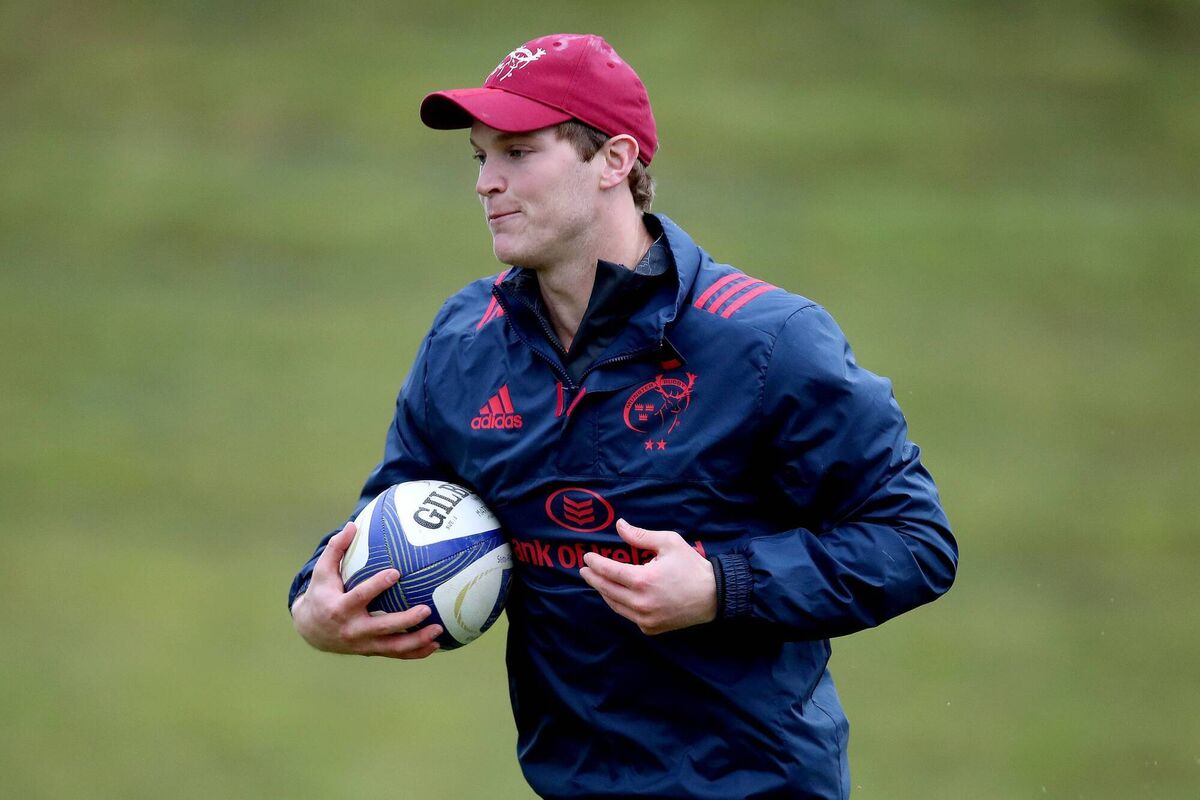
“Is defence now better or attack getting worse? Then it can swing the other way. Right now, they are trying to speed the game up and create more space. That influences the way they officiate the game and everything.
“Trying to balance TV demands with what rugby is now and has been before. As a coach you have to constantly adapt and adjust. The sport has changed so much in my time. I’m not sure what the end game is, where they want to get it to.
“But for us, we are trying to win matches. It will always be about that. The dynamics have changed in New Zealand, but we still look at the players we have, decide how we want to play so we can win.”
As for Munster, it will always maintain a special place in his heart. Over the course of a few hours, he asks prodding questions about the northern hemisphere trends and how that might impact Johann van Graan’s outfit. The sheer delight to see Joey Carberry back on the park is apparent.
You get the sense that little in Tyler Bleyendaal’s life goes unscrutinised. As he sits and reflects on it now, are there mixed emotions about his stint in Ireland?
“Not really. The primary feeling is just love.
I loved playing for Munster and all the support. There is nothing like playing in front of a packed Thomond Park or down in Cork on a sold-out Friday night.
“The support, even at away matches, for me to be a part of a club that cares and is always competing was awesome. There are regrets that we never won a trophy when I was there but as an experience, I never regretted a second of it.”


Cancel anytime
CONNECT WITH US TODAY



Be the first to know the latest news and updates