Concussion in rugby: 'You could be talking about someone retiring with hundreds, thousands of these sub-concussive blows to the head'
Richard Boardman is a lawyer involved in the case taken by several players against World Rugby, the RFU, and the WRU
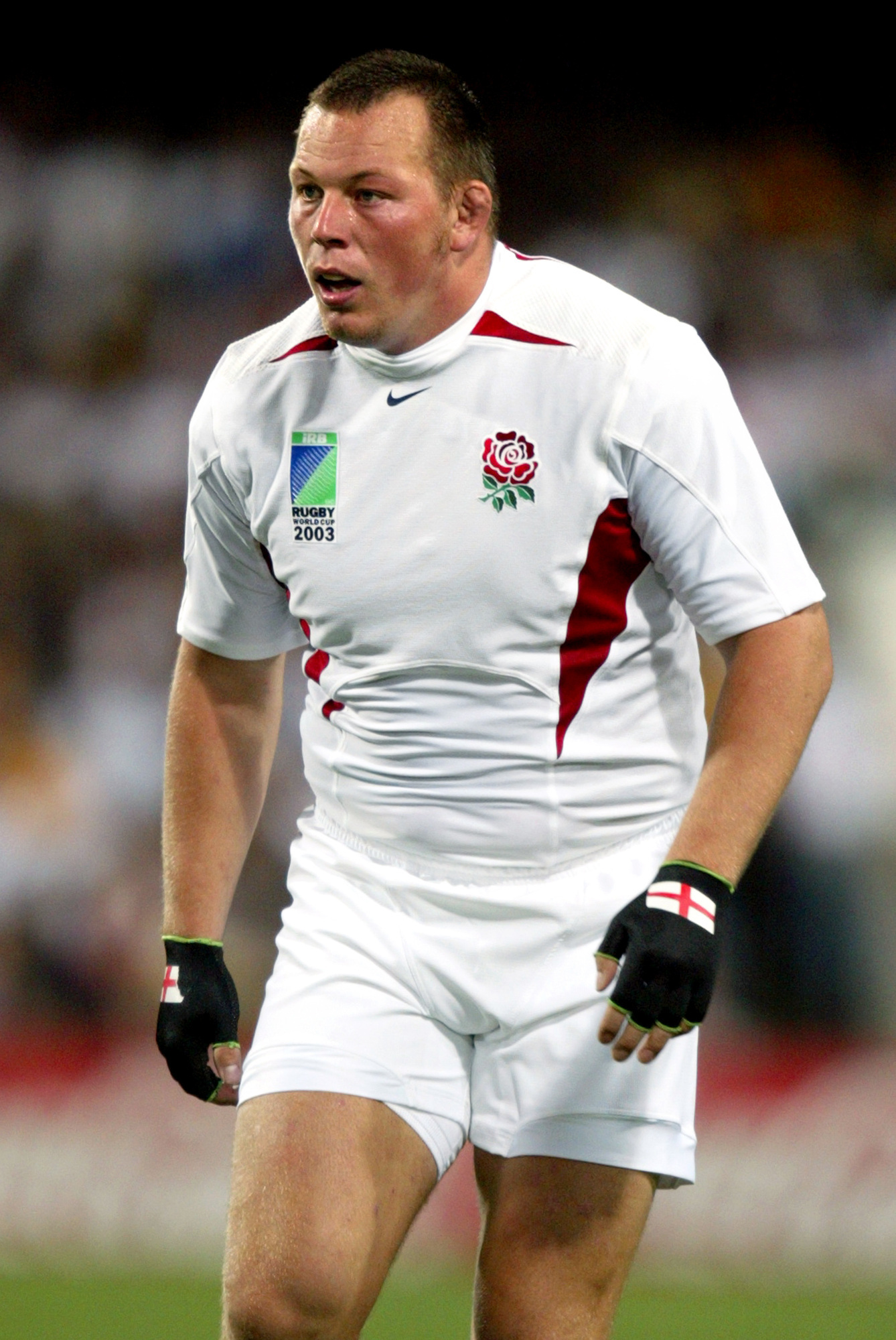
Steve Thompson: No memory of winning the World Cup in 2003.

Steve Thompson: No memory of winning the World Cup in 2003.

Concussion has rarely been as topical in rugby, given this week’s controversy involving Jonathan Sexton and his former doctor in France.

Dr Jean-Francois Chermann’s extraordinary commentary on Sexton, for which he has since apologised, raises all sorts of ethical questions about patient confidentiality, some of them posed by the Irish player himself.

In a wider context, however, the issue of concussion remains a troubling one for rugby. Before Christmas, former England player Steve Thompson revealed that he has no memory of winning the 2003 Rugby World Cup, having been diagnosed with early-onset dementia and probable chronic traumatic encephalopathy (CTE).

Thompson is one of several players taking an action against World Rugby, the Rugby Football Union, and the Welsh Rugby Union for failing to protect them from the risks caused by concussions. Their lawyer, Richard Boardman, says they’re awaiting a response.

Those governing bodies “still have a bit more time in which to reply,” said Boardman. “We’ll determine what our response will be, what we’ll do next, in relation to what that response will be.

“We had a tremendous reaction to the stories before Christmas. We believe there’s a duty of care protect players from concussive and sub-concussive injuries.”

Boardman says they are in discussions with over 130 players regarding the case.

He adds that while many people have an awareness of concussion, they may not be fully cognisant of the risks involved.

“Everyone is probably aware now of concussion and what it can do, but there are also sub-concussions, what might be called ‘gentle dinging of the head’.

“In 2002 a former England soccer player, Jeff Astle, was said to have died as a result of heading footballs. Dr Willie Stewart, who is synonymous with this whole issue, later found that Jeff Astle had CTE.

“That was the same year that Mike Webster, a former NFL player, died. He was later shown to have CTE, and many people will be familiar with his story from the movie Concussion, with Will Smith as Dr Bennet Omalu, who showed that Webster had CTE.

“The point is that Jeff Astle died from sub-concussive blows rather than a series of big concussions.

“Many players in rugby don’t realise that even if they haven’t been knocked out and are unconscious, they’re still potentially at risk of brain trauma and difficulties in later life.”

There’s also the issue of full contact training sessions. American football has limited such sessions but rugby hasn’t made that adjustment yet.

“A lot of current rugby players are still engaged in contact training during the week outside of games,” said Boardman.

“If a player has a 10 or 15-year professional career, then count up those sub-concussive blows per contact session and per game.

“You’re taking about every ruck, carry, tackle, maul and so on so you could be talking about someone retiring with hundreds, thousands of these sub-concussive blows to the head between full contact sessions and games.

“As a comparison, the NFL limited contact in training as far back as 2011. That means the average NFL player will have between 30 to 40 full contact sessions per year.

“But if you’re an international rugby player who’s playing 30 full games a year as well as having three or four training sessions with full contact per week — that’s 150-plus days of full contact a year.

“We all know how much injuries NFL players pick up, but those stats suggest that rugby players won’t be anything but worse off physically.”

World Rugby chairman Bill Beaumont issued an open letter last December when the legal action was lodged, stating that player welfare was the governing body’s number one priority.

Boardman says a new lobby group will “challenge” Beaumont’s assertion.

“Next Monday a new lobby group is launching which challenges the open letter from Bill Beaumont just before Christmas where he says they are doing everything they can to deal with this issue.

“The lobby group — which has nothing to do with the lawsuits — is essentially saying: ‘We all love the game, we’re not accusing anyone, we’re not blaming anyone, it’s about finding solutions to the issue.’

“It’s about making sure the Tom Currys or the other modern rugby players have fantastically rewarding careers and don’t end up like Steve Thompson or Alix Popham and others in 10 or 15 years.

“It has to change. It’s an existential crisis otherwise. The game has to come out of this showing it cares, which is something the lobby group is going to emphasise.”

More in this section

Sport

Newsletter

Sign up to our daily sports bulletin, delivered straight to your inbox at 5pm. Subscribers also receive an exclusive email from our sports desk editors every Friday evening looking forward to the weekend's sporting action.

Cookie Policy Privacy Policy Brand Safety FAQ Help Contact Us Terms and Conditions

© Examiner Echo Group Limited