It doesn’t need to be pretty, but a winning start is imperative
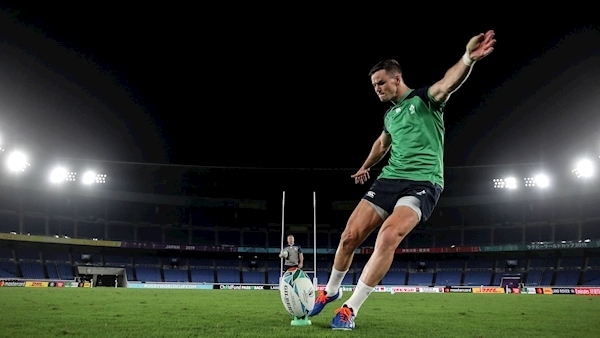
Our rugby analyst on where Ireland must get it right against Scotland
1. Mental toughness
Never before has the old Irish adage “tosach maith, leath na hoibre” felt more appropriate. It’s been a challenging week for the Irish management and squad since they arrived in Japan. With Robbie Henshaw having performed so impressively in his seasonal debut against Wales, it immediately became a question of who would join him in midfield for tomorrow’s World Cup opener against Scotland — Bundee Aki or Garry Ringrose.
After all his injury travails of late, Henshaw’s latest will have been felt by everyone in the squad. For Rob Kearney to suffer a similar tweak in conjunction with Keith Earls’s ongoing issues is extremely unfortunate. Yet this is exactly the type of scenario that Joe Schmidt has been gearing up for since 2015. The proof of his efforts in terms of having players slot in seamlessly is about to be revealed.
Ireland have won six of their last seven outings against Scotland. This is the time to ram that psychological advantage home and remind them who the better side is. Ireland need to be ruthless from the outset, control the possession and territory stakes and strangle the life out of Scotland.
Gregor Townsend’s men are dangerous if afforded the time and space to express themselves. Their last Six Nations outing against England was proof positive of that. A brilliant second-half performance that saw them recover from being 31-0 down on the half-hour mark, to lead 31-38 with two minutes left on the clock, shows just what they are capable of.
The fact that they failed to negotiate those final minutes, when within touching distance of a famous victory, only served to highlight the brittle nature of their make-up. They are the Jekyll and Hyde of international rugby.
When this Irish squad was firing on all cylinders, the players didn’t give a hoot who they were playing against. New Zealand, South Africa, England, Australia. It didn’t matter. Bring it on. That belligerent attitude is exactly what’s needed to beat Scotland.
The likes of Cian Healy, James Ryan, Tadhg Furlong, Iain Henderson, CJ Stander and Peter O’Mahony need to grasp this game from the outset and remind Scotland just why they are so highly-rated. Hamish Watson needs to be targeted at the breakdown, his menacing influence negated. Ireland carry far greater physicality up front and have more explosive ball carriers. They must set the ground rules by bossing the collisions and taking charge of the gain line. Start well, finish well.
2. Aggressive defence
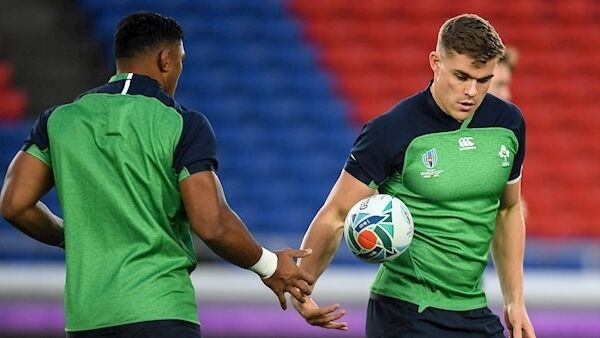
Extraordinary to think that one of the strongest aspects of Ireland’s game, their defensive organisation and punishing line speed, is still susceptible to leaking tries down the five-metre tramlines.
England ruthlessly exposed Ireland’s vulnerability out wide in that punishing warm-up game on a day when heavy legs — post the nine-day endurance test the players faced in Portugal, took a heavy toll.
When the body is weak, decision-making is compromised. Good defence is all about making smart decisions under pressure. Several Irish players were guilty of making very poor defensive reads in Twickenham and the team suffered badly as a consequence. It started in midfield with the knock-on effect putting the wingers in a situation where they had to react immediately which didn’t always happen.
Gregor Townsend will have looked at that and spotted opportunity, especially with the disruption to the Irish back three. Rob Kearney is excellent in anticipating what is about to unfold — witness his try-saying intervention against Wales — and his presence will be missed by Jacob Stockdale and Jordon Larmour. Andrew Conway has a big role to play.
Ireland defensive guru Andy Farrell also forensically examined the shortcomings post-England and made adjustments. In the two games that followed against Wales, Ireland were far tighter. Communication was better and players were far more decisive. Farrell knows exactly what Townsend in plotting and will have his troops ready with the counter.
Ireland need to reproduce their punishing line speed in defence and use it as a searing weapon. The intensity they bring to this aspect of their game was nowhere near as suffocating in the recent Six Nations as it had been in 2018. That needs to return and Scotland, with a comparatively inexperienced midfield, need to feel the pressure of bodies in the eye line every time they reach for a pass and force them into making poor decisions with the ball.
France produced a very aggressive high line of defence when they beat Scotland out the gate in their opening warm-up game last month. Scotland got spooked.
Ireland need to make sure the same thing happens tomorrow.
3. Half-back hierarchy
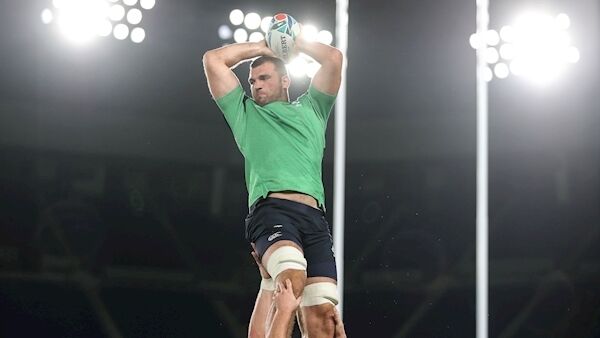
So much of the Scottish game revolves around Finn Russell at out-half that he has become a beacon for how his team performs. Therefore he requires special attention. As Ireland’s key pivot and decision-maker Johnny Sexton has had to live with opposition back rows and inside centres thundering down his channel for years in an effort to dilute the impact he has on the game.
As evidenced by his World Player of the Year award in 2018, few manage to discommode him. It’s time for Ireland to become the aggressors now and for Russell to feel the heat from Ireland’s back row. If Bundee Aki can close his space and turn him back into the likes of CJ Stander and Peter O’Mahony, his creative instincts will be severely blunted.
Russell will always seek to unleash a spark of inspiration through the quality of his passing game, even when it’s not on. He has to be forced into error. To reduce his time on the ball even further, his inside partner Craig Laidlaw must also come under pressure. Laidlaw tends to be laborious over the ball at times which should aid Ireland’s line speed out of the blocks.
When Ireland were beating all before them 12 months ago, the variety and shared duties undertaken by Sexton and Conor Murray in implementing the game plan with their excellent kicking game serving to put the opposition on the back foot and pinned in their own half. Last season, due to clever use of escorts, the Irish chasers were far less effective in competing in the air to win those kicks back.
It’s imperative that Murray and Sexton rediscover the pinpoint accuracy and hang time that accompanied every kick when both were performing out of their skins. Even more important that Scotland’s best broken-field attacker Stuart Hogg isn’t offered a chink of light from any kicks that arrive without a chasing green jersey.
Russell and Hogg will seek to run, even when it’s not on. They must be stopped behind the gain line. If Ireland’s half-backs can establish control from the outset and manufacture a foothold in the opposition 22, the power and continuity game that pummelled Wales into submission in Dublin is capable of doing even more damage here.
If the torrential downpours arrive, Ireland’s set-piece superiority will play an even bigger role. Reverting to the traditional strengths that delivered two Six Nations titles and a Grand Slam under Schmidt, Ireland’s ability to retain possession through multiple phases must be seen to best effect once again.
To win this game minus Rob Kearney, Robbie Henshaw and Keith Earls (nailed-on starters in the first choice backline), would prove the perfect launchpad for the tournament. To be without all three and lacking the facility to spring Joey Carbery off the bench, leaves Ireland vulnerable behind the scrum.
That is why the only thing that matters tomorrow is that Ireland win. It doesn’t need to be pretty and it doesn’t really matter how Ireland get over the line. It sets the mood, generates momentum and buys time for those injured players to play themselves back into contention.


CONNECT WITH US TODAY



Be the first to know the latest news and updates