Rob Kearney: Concussion attitudes changing in rugby
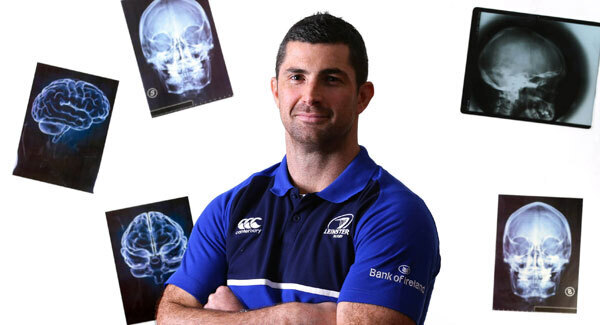
Concussion is a hot topic in rugby and, although Kearney shares concerns about the continuing ferocity of the professional game, the Ireland full-back insists players at the elite end of the sport are receiving much better care and protection than they were five years ago.
The 30-year-old also revealed any efforts by players to hoodwink the detection procedures were no longer tolerated within the dressing room.
Former players have admitted it was not unusual for a player to intentionally score poorly in a baseline precognitive test at the start of every campaign, so that if a comparative exam was needed later in the season to check for signs of brain injury then it would be easier to reach their original score.
“There needs to be a massive level of honesty with each other in this,” said Kearney. “It’s something players would have joked about maybe four, five or six years ago, ‘we’ll just give the baseline test not my full concentration so if I do come back it will all be rosy in the garden’.
“It’s those attitudes that can be detrimental to the game. If someone was to genuinely joke and say something like that nowadays, it wouldn’t be particularly well-received and guys would be turning around and saying ‘that’s not very smart’ and ‘you shouldn’t be saying things like that’.”
Kearney was speaking as an ambassador for Laya Healthcare, the insurance company believed to have agreed a deal for naming rights for the new stand at the RDS, at the launch of their Head On concussion management programme.
The project will offer free baseline screenings to 1,350 amateur players aged 16 and above within Leinster while a 20% discount will be offered to those at clubs around the rest of the country.
Kearney insisted professional players have the benefit of world-class medical expertise and protocols which help monitor and detect concussion, but it was up to them to help educate amateurs who do not have those same protections.
However, when it comes to playing in Test rugby and at the highest levels of club competition, Kearney says the big hits are only going to get bigger.
“Unfortunately, that’s the way the game is going. Collisions are getting bigger and there is more emphasis on the collision and winning the gainline,” said Kearney.
“Players are getting bigger, stronger and more powerful and the collisions are only going to keep going one way.”
Kearney admitted he has been lucky to only suffer a handful of concussions in his career.
However, the IRUPA chairman took a blow in 2014 when he collided with Johnny Sexton in a November international against Australia and said as frustrating as it is to leave the pitch, players have to respect the doctor’s call.
“It’s a tricky one, you’re in the heat of battle and I remember the time as Australia were pumping us around the 10 metre line and were building 15-20 phases. Myself and Johnny clashed heads, we were both on the ground and I tried to get back up and into the play and the doctor was pulling me,” recalled Kearney.
“It’s a tricky moment when you’re fighting for your country and you don’t want to give up but you have to listen to the doctor.”
Meanwhile, Kearney, who played his first game of the Six Nations against France last weekend, believes Ireland can claim their first championship win of the season in Twickenham against England Saturday week.
“Of course we can,” said Kearney. “The same way we could have beaten Wales and we could have beaten France. We’re going to be down a few more numbers [through injury], they’re riding pretty high at the moment and playing particularly well so it is going to be a tough challenge, but by all means we can beat them.”