The Stoop was where it all began for Leinster
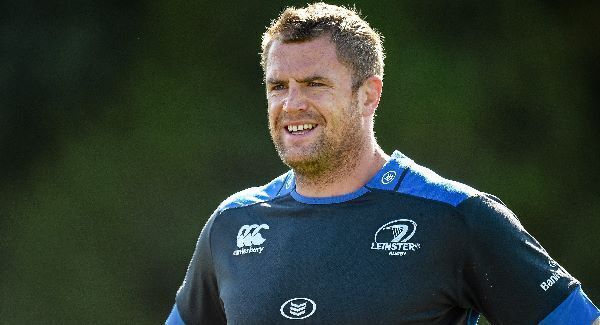
For both clubs, April 12, 2009 would be a date to remember.
Harlequins glammed it up as much as they could with fireworks and can-can girls, but The Stoop was cold and wet and the mud made for a glutinous battleground on which to contest the Heineken Cup quarter-final that Sunday.
Leinster were in Year Four of Michael Cheika’s revolutionary era. A Celtic League had been bagged and the players were no longer getting changed for training out of the boots of their cars, but ultimate salvation lay in Europe or nowhere at all.
The trip to London was necessitated by a shock defeat away to Castres, who had been pummelled at the RDS the week before, and Leinster travelled with a loss to Munster at Thomond Park the week before as further reminder of where they stood.
“The pressure was on,” says John Fogarty, who had joined from Connacht that year. “I was only in the door, but you take that stuff on board. I do anyway. We all knew the group was capable of something and everyone was still pissed off after losing in Castres. Small things like the odd ‘Ladyboys’ comment were there before the game, too.
“We knew we needed to dig in and scrap. Michael Cheika was digging in and that was reflected in the team. There was a real fear factor there and it was incredibly intense. It was a case of getting over the hump. When we won, there was relief, but it was more than that. There was belief, too.”
It was an odd sort of day.
Munster, so often caricatured as an up-the-jumper outfit, had put 43 points on a star-studded Ospreys side in Limerick before Leinster, the flaky fancy-dans, engaged in the mother of all meat grinders — and came out the better.
The scoreline, 6-5 to the visitors, was a paean to old-school rugby. So, too, was the anachronistic decision by Cheika not to make a single change to the 15 who started a game that would come to be so symbolic for both sides.
“Everyone was working so hard,” says Fogarty who remained rooted to the bench with men like Shane Horgan and Girvan Dempsey. “I once played the full 80 against Munster and admitted to Cheika I was cooked with 15 to go. He just said, ‘yeah, but you were still going hard’. That was Cheika. He got emotionally charged in every game and I think it was just that he liked what he was seeing, even though he had guys like Shaggy and Girv on the bench.”
Seminal moments abounded.
Harlequins turned down a handful of easy penalties to kick instead for corners. Nick Evans sent an early, and easy, three-pointer badly wide and there was a late siege on the visitors’ line before fists could be raised triumphantly.
Leinster had moments of their own. A galloping run from Rocky Elsom. A chip and chase by Brian O’Driscoll. Even a Rob Kearney try that was disallowed for an earlier forward pass by Felipe Contepomi to Isa Nacewa.
The one and, crucially, unconverted touchdown that counted came courtesy of ‘Quins full-back Mike Brown with 14 minutes left, but it was the charade surrounding the ‘blood’ substitution of Tom Williams just minutes from time for which the game is remembered.
Williams’ departure allowed the injured Evans back on to kick what was ultimately a failed game-winning drop goal attempt and the subsequent confirmation the injury had been faked led to the infamous ‘Bloodgate’ scandal.Yet, it took some time to emerge fully.
For the Leinster players, the plot only really began to unravel on the flight back to Dublin. They didn’t care. Not a jot. The win had already been banked and Munster in Croke Park, another epic win and a first European title awaited.
“We were written off against Munster, but there was no nervousness or fear before that one,” says Fogarty. “There was real belief on the back of the Harlequins game and there wasn’t that same elation after the Munster win. We understood beating Munster in Croke Park wasn’t enough. We had to go on and win it.”
The Stoop was, ultimately, where it all began.
CONNECT WITH US TODAY



Be the first to know the latest news and updates