Where Ireland can win battle of Paris
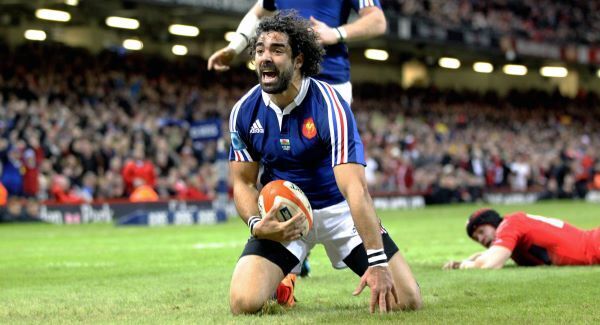
How times have changed. You will find it difficult to find anyone who has forensically studied this season’s Six Nations championship to call anything but an Irish win at the Stade de France this evening.
Logic dictates that, despite the venue and Ireland’s abysmal record in Paris, Paul O’Connell should be lifting the Six Nations trophy at about 7pm Irish time. While I too expect that to be the case, the one thing nagging in my brain is the psychological effect on a team constantly being told that they are no good and that they are not representing their national jersey with sufficient respect and pride.
There is bound to be a reaction from the French players to the pummelling they have been subjected to from all quarters in France this week. When their highly experienced tighthead prop Nicholas Mas walked out on his press conference last Tuesday over what he perceived as insulting and sniping remarks about his ability to scrummage, you sensed the dam was about to burst. His team-mates must be feeling likewise.
I was part of the management team the first time Ireland played in the magnificent new national stadium prior to France hosting the soccer World Cup in 1998. Ireland were in disarray with the coach Brian Ashton ruled out of the fixture due to a serious bout of shingles. The bookies were predicting a record defeat for Ireland, with some quoting a margin of over 50 points. Warren Gatland, who was helping out with the scrummaging, was drafted in as temporary coach. We worked on the mindset of the players, inviting goodwill messages from the Irish rugby public. They arrived in their hundreds and were posted up in the team room. It had the desired effect. Ireland led 8-13 at half-time, only to concede a try in the closing minutes to lose 18-16. Nobody saw that performance coming. I doubt if this French team have received too many goodwill messages this week but professional pride dictates they will give everything. Question is, will that be sufficient to paper over the obvious technical and tactical flaws that have undermined their performances in 2014?
Ireland will have to be mentally prepared for the intense pressure this French side will seek to impose in the opening quarter, a period Philippe Saint-Andre has already identified as being crucial for his team.
With their confidence visibly rattled, they simply have to start well. To counter that Ireland must stick rigidly to the structure and patterns that have made them favourites to win today’s absorbing contest.
First and foremost they must concentrate on getting their basics right at scrum and out of touch and execute with the precision that has returned the most productive lineout in the championship.
Secondly, they must concentrate like never before in every scrum engagement and not offer the gritty French front row of Thomas Domingo, Dimitri Szarzewski and Mas the chance to impose themselves. The scrum is the lifeblood of the French game, especially when they are playing at home. To go backwards on home turf is unacceptable. It is an affront to their manhood.
That is why Ireland need to pick up from where they left off against Italy when they reintroduced their maul from the opening two lineouts. This was in stark contrast to the England game when they waited until the fourth minute of the second half to test the English resistance.
This was done partly out of fear that England would have worked out a strategy to stop the Irish juggernaut and gain a psychological advantage. This French pack has looked very disorganised at the set-piece throughout the tournament and Saint-Andre has now selected on the basis of size alone, both with his starting unit and a bench overloaded with forwards. He has placed such an emphasis on maintaining discipline that every French player is now scared to concede a penalty, even when it is the right thing to do. If Ireland can place a seed of doubt in the French set-piece early on then, without leaders of the quality of Thierry Dusautoir, Imanol Harinordoquy or Raphael Ibanez, they could implode. Therefore, regardless of their size, Ireland must attack the French at the heart of their game and see how they cope.
Against Italy, Ireland dictated the tempo of the game right from the start. They varied their game magnificently, shifting the point of attack and spreading the Italian defence across the pitch. Entering the final quarter, the Italian players were out on their feet, enabling Ireland to pile on the points with a big impact from the bench. For some time now it has been obvious to anyone watching domestic French rugby that their players are not nearly as well conditioned as the Irish provinces. Their game is static with little phase play. It is all about confrontation, one big bashfest.
Ireland need to keep the ball in play for long periods and force the pace but need to be careful how they go about doing it. The last thing they need is to invite France into a free-flowing, broken field contest which could only serve to play into the natural skill set of some very good French broken field runners. Yoann Huget, Brice Dulin and Maxime Medard have all shown sparks of their undoubted stepping and running skills on limited opportunities in this tournament and will be supplemented further today by Gael Fickou’s selection.
Ireland need to box clever, shifting the point of contact to suck the energy out of the legs of this massive French pack. While the French defensive organisation has been reasonably impressive throughout the championship, once they are taken out of their comfort zone, they tend to make elementary mistakes. Dulin has been up there with England’s Mike Brown as one of the best counter-attacking full-backs in the tournament but he has looked vulnerable under the high ball, with his errors leading directly to tries for Wales and Scotland. While he offers their greatest running threat, he is also a potential weakness and one that Ireland must expose.
The challenge is to prevent France building any ascendancy early on and to turn their fickle crowd against them. With their confidence in tatters and little faith in their management team, it may just force them to accept the inevitable.
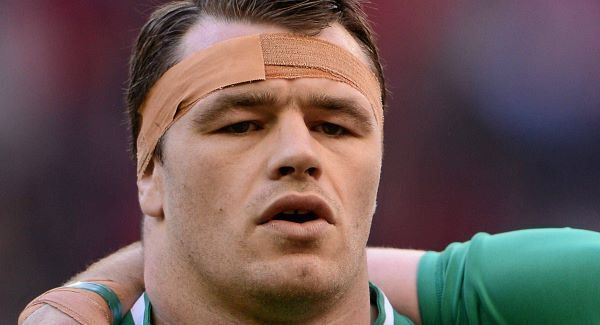
Montpellier tighthead Mas stormed out of a press conference on Tuesday, furious at criticism of the French scrum. Mas reacted angrily to suggestions France have been too slow to adapt to the new scrum laws. Leinster loosehead Healy admitted Ireland have coped admirably with the scrum engagement revisions, but still expects a severe test from the French.
Healy conceded Mas’ tantrum may only serve to wind the French up, generating all the motivation they need for a first-class performance. Two squat and compact front rows will collide at the scrum; the side that emerges in credit will have a head start towards victory.
Pape has deputised for injured skipper Thierry Dusautoir throughout the tournament, and is cut from the same combative cloth as Munster talisman O’Connell.
Ireland boast the tournament’s most consistent line-out, and have whipped their driving maul into something of a potent weapon. France have selected six forwards in their eight replacements, gearing up for a relentless pack onslaught. Locks Pape and O’Connell will be at the centre of the aerial set-piece contest, another battleground that will go some way to deciding the fate of this year’s Six Nations title.
The erratic young battering ram against the wily veteran thinker. France will look to work situations to send Toulon’s Bastareaud careering towards Ireland’s defensive line. Should the 25-year-old scythe through and offload out of contact, Ireland will be in trouble.
World record Test caps holder O’Driscoll might have lost the half-yard of pace that allowed him to arc through defences in his prime, but the 35-year-old has not lost an ounce of sharpness. The Leinster stalwart’s defensive organisation remains second to none, and his sleight of hand in routine Italy victory indicated his mind still works overtime. Do not bet against one of the sport’s finest-ever centre’s pulling out another vintage showing, to bring the curtain down on his glittering international career.

CONNECT WITH US TODAY



Be the first to know the latest news and updates