Munster fancy the heat in the kitchen more than most
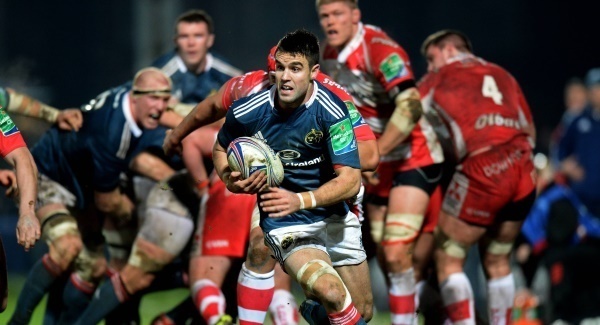
Their lunchtime kick-off next Sunday should offer Munster a clear idea of what is required but, by my reckoning, they could be playing for the final home quarter-final at best by that stage — and 23 points from their Pool 6 may not be enough.
Leinster also showed remarkable character yesterday to recover from a 14 point deficit to win in incredibly demanding circumstances against reigning French champions in Castres. A losing bonus point at home against the Ospreys next Friday night will be sufficient to see them through to the quarter-finals but even a maximum return of five points from a bonus point win looks like being insufficient to get them a home quarter-final.
There was a time when travelling to Kingsholm carried a health warning, such was the force and intensity encountered on and off the field. The mighty Shed, an unglamorous standing-only terrace that runs the length of the pitch, is filled to capacity by a fanatical home support who religiously take up the same vantage point for the entire season.
In that respect it is reminiscent of the old Thomond Park with the visiting team receiving the same hostile reception from the moment they step out for their warm-up to the last play of the game. Of all teams, Munster would appreciate the challenge of playing in such a cauldron and their recent visit to Ravenhill was just about the best preparation any side could undertake before visiting this part of the West Country. It stood to them.
Gloucester have struggled all season, yet you just knew they would turn up for this one.
Munster’s proud history in Europe does them no favours on occasions such as this; their scalp is still prized by all and sundry. To their credit the home side played infinitely better than anything produced by them all season but crucially lacked the street smarts Munster possess in bucket loads.
When flying wing Charlie Sharples was forced to chase back and retrieve another raking kick with half the Munster team bearing down on him, he chose to kick dead over his in goal area and finish the contest. Their surrender was complete, Gloucester had no more.
After that defeat in Belfast, Munster spent a lot of time during the week addressing issues surrounding their attacking structure and their defence off set pieces. That work yielded dividends right from the off with their execution in possession much improved on what they have delivered recently. The off loads were sticking and Munster were making smart decisions on the ball, none better than in the build up to the opening try by Keith Earls.
That is the type of rugby Penney has been working assiduously on since his arrival in the province 18 months ago. In total 13 players handled in that movement with Dave Foley making one vital clean out at a crucial time, enabling the ball to be cleared by Conor Murray and the momentum maintained. The downside was in the number of tackles missed, 10 in total over the opening 40 minutes, with Gloucester’s talented backs delivering on the promise everyone knows is there waiting to break out.
The big difference between the sides, however, was in their respective composure under pressure. Without the ball for long periods in the third quarter, Munster sorted out their defensive issues and suffocated Gloucester with their mastery of the choke tackle. Time and again they frustrated the life out of the hosts by holding up the man in possession, generating six turnovers.
The fact the net result of the manoeuvre was a Munster scrum played right into their hands as once again BJ Botha led the way in dismantling the Gloucester front row. When the opportunity presented itself in the form of an attacking five metre scrum, Munster seized the moment and used their dominance to manufacture the key score of the game, a try for their industrious captain Peter O’Mahony. That must have felt like a dagger through the heart for Gloucester given the amount of territorial dominance and possession they enjoyed to that point.
That clinical edge is what separated the two sides at the end. Happy to ride with the punches and trust in their defence, Munster backed themselves and used their set-piece dominance to best effect within touching distance of the opposition line.
That said it required some incredible scramble defence from Johne Murphy, who was magnificent throughout, James Downey andFelix Jones to keep their line in tact in that crucial period after the break.
Not for the first time this season the character of the side shone through like a beacon with great credit due in particular to Ian Keatley who fully justified the faith shown in him by Penney with a very assured performance.
If he was feeling the pressure due to his recent place kicking woes then it didn’t show and a return of four from five was key in the overall scheme of things.
In fact, on the day, it was Gloucester and Billy Twelvetrees in particular who failed to take advantage of their early chances with the boot. Keatley’s game management and tactical kicking was also much improved, the only blemish being an overuse of the grubber kick in the opposition twenty two. To perform with that level of assurance in one of the most atmospheric settings in the tournament offers is a big pointer to the mental state of this team at present. If anything they thrive on the challenge presented by such occasions — think back to the Stoop last season — and have made light of the weight of expectation that follows the Munster jersey around Europe.
When one considers that many within this squad are still comparative novices on the Heineken Cup stage, the future is in good hands. This was exemplified by the performance of Foley in his first ever Heineken Cup start. Getting the chance to partner Paul O’Connell in the second-row is a dream for any aspiring young lock and the Tipperary man looked to the manor born with a commanding show out of touch coupled with an exhaustive contribution in broken play. He too has a bright future.
A word too for Connacht and their achievement in winning three games in their pool for the second successive year when accounting for Zebre. With a revamped tournament a certainty next season it may be a while before they sample rugby in the top echelon of the European game again which is a pity as they have some very exciting young talent coming through.
On paper they retain an outside chance of making the quarter-finals but that would necessitate a bonus point win over Saracens in London next Saturday against all the odds. Then again that was the case before they went to the Stade Ernst Wallon and beat Toulouse in round three. A more realistic target could well be a losing bonus point which might squeeze them into the final qualification slot for a place in the Amlin Challenge Cup quarter finals. All in all then, another great weekend for the Irish in Europe.