Kate O'Connor backs tax system change for athletes
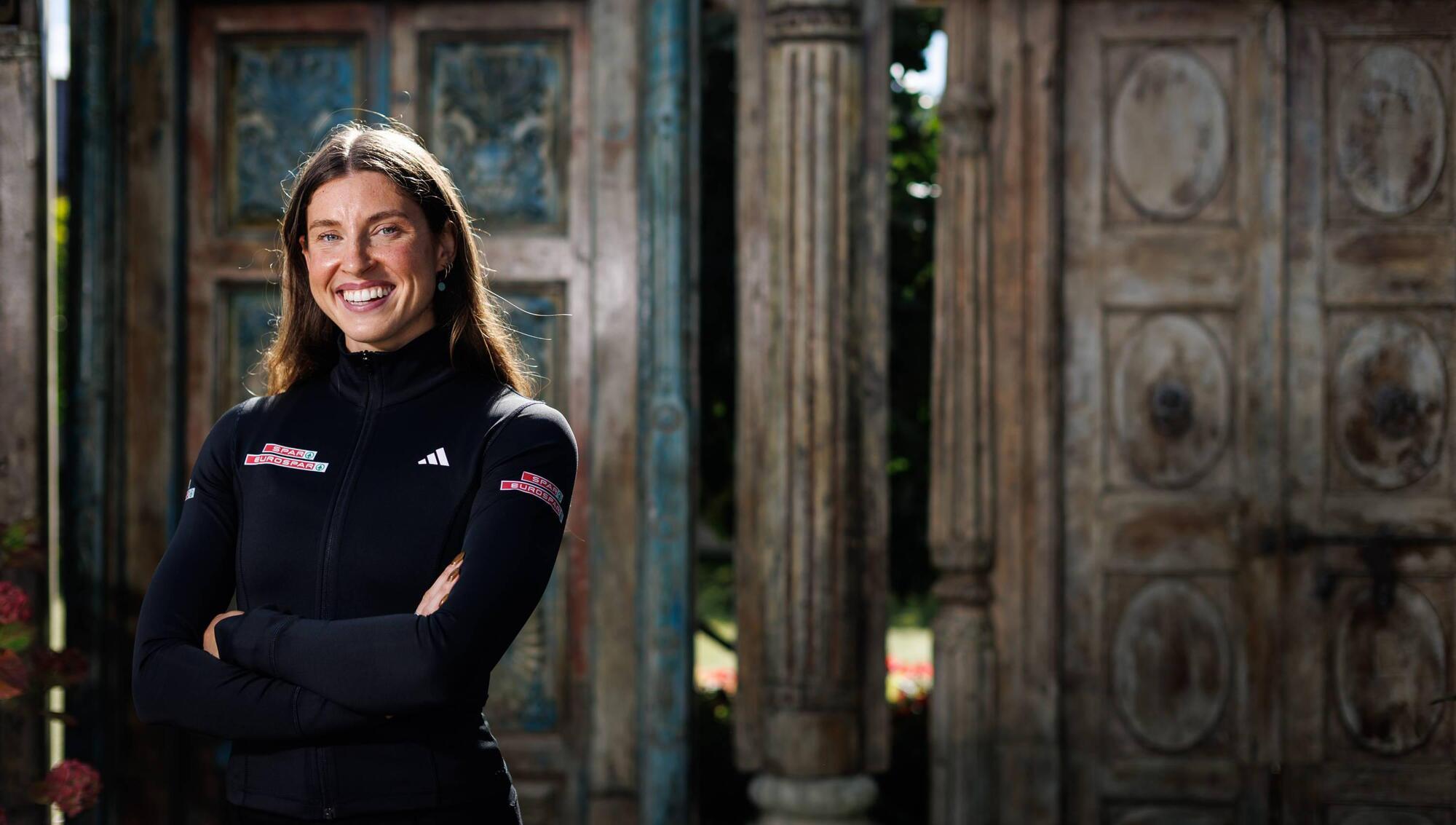
Team Ireland ambassador and multi-event athlete Kate O'Connor, pictured today at Lawlor’s Hotel in Naas for the SPAR and EUROSPAR Community Fund presentation lunch. The nationwide fund is awarding over €60,000 in vital funding to 30 grassroots sports clubs across Ireland as part of SPAR and EUROSPAR’s official sponsorship of Team Ireland, in partnership with the Olympic Federation of Ireland and Paralympics Ireland. Pic: INPHO/Ben Brady
Kate O’Connor has backed calls for changes to the tax system for Ireland’s high-performance athletes, saying greater financial support would help them pursue sporting success without putting their lives on hold.
The European heptathlon champion is supporting a budget proposal from the Olympic Federation of Ireland Athletes’ Commission, which is seeking modernised tax measures for Olympic and Sport Ireland-carded athletes .Among its proposals is a €50,000 annual tax credit that athletes could access during or after their sporting careers. The Commission is also seeking changes to Sportspersons Relief so that it covers all Olympic sports and allows certain sponsorship and philanthropic income to qualify.
O’Connor, who competes for Dundalk AC, said the financial demands of elite sport extend well beyond competition.
“To do this job and to do the job well, you need to be supported,” she said.
“And there’s probably that middle ground between being supported really well and then not being supported. For the athletes that are in between that, it can be very, very difficult to make that jump to winning medals when I’m not being supported well enough.”
O’Connor was moved into Sport Ireland’s top €40,000 funding tier this year and also has corporate backing, but said the costs associated with a professional sporting career remain significant.
“It’s expensive to go on training camps, to pay coaches, to get treatment every week, as well as fuelling well and trying to live a normal life and pay rent and maybe save something in between,” she said.
The 25-year-old believes greater tax support could also help athletes plan for life beyond competition.
“It would be a huge benefit for them to back us and allow us to move a little bit more freely in what we do and to enjoy all the hard work that we put in by then maybe having some savings to be able to buy a house at the end of it,” she said.

CONNECT WITH US TODAY



Be the first to know the latest news and updates