With the first bowl cast, is Ireland's ancient game ready for Unesco stamp?
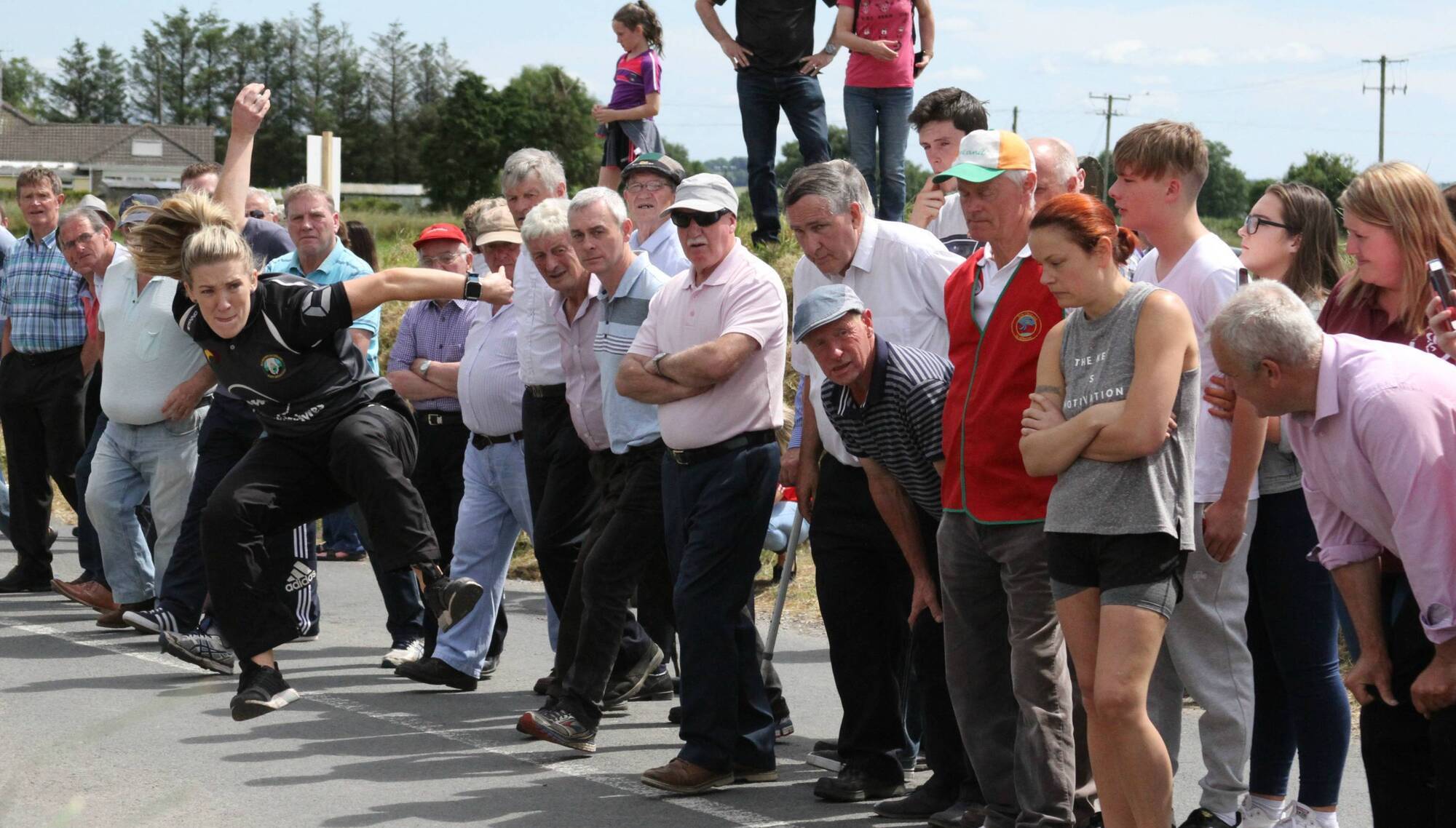
FLYING HIGH: Road bowling legend Kelly Mallon in action.
For the past week traditional and social media have been buzzing with talk about Irish Road Bowling’s potential for being added to the Unesco Representative List of the Intangible Cultural Heritage of Humanity.
This idea was publicly floated at the recent opening ceremony of the All-Ireland bowling series at Ballinagree, but it was a parliamentary question by Cork-based TD John Paul O’Shea that brought it to national attention.
As of now Ireland has five parts of our culture listed: Uilleann piping, hurling, Irish harping, falconry and dry stone construction. In their written answer to the deputy, the Department of Culture, Communications and Sport, said a sixth is under consideration.
The Belfast-based researcher, the late Andrew Steven, found written references to the sport in 17 of Ireland’s 32 counties. Its true origins are a bit hazy, there are several theories, but none is totally conclusive.
Fintan Lane in his book stated: 'It has existed as a sport in Ireland since the beginning of the 18th century, and possibly earlier, but its genealogy remains unclear’.
What is clear though is that the sport that has evolved in Ireland, like uileann piping, is absolutely unique. There are various forms of piping all around the world and there are probably as many forms of bowling, but none are the same as what we know, love and play in Ireland.
Hurling has a cousin, called shinty, in Scotland and there are some games in other European countries that may have a common origin with road bowling. The one that most resembles the game in Ireland, in both how it is played and where it is played, is in Italy.
They too bowl on the road, their rules are very similar to Ireland, though the bowl is more like an outsized billiard ball. Mind you Irish people bowled with stone bowls too and not in the too distant past. Italy, however, is never mentioned in any theories of origin.
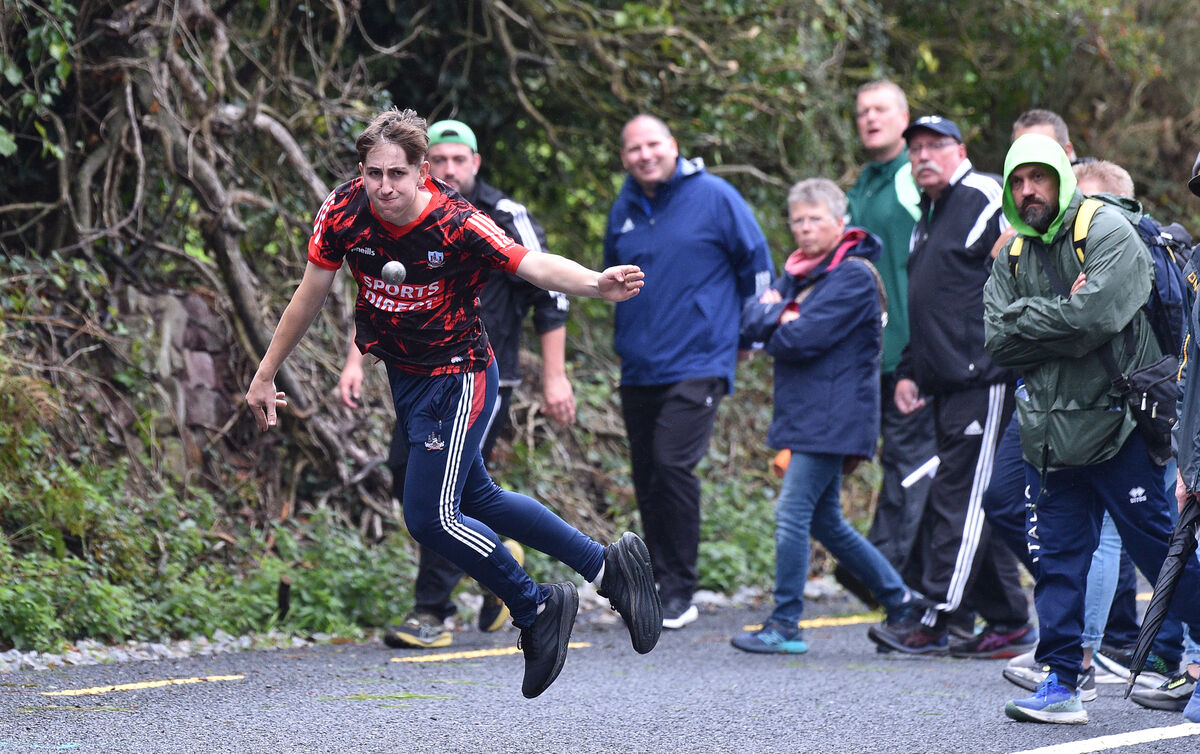
There is no end of evidence of bowling’s place in the heritage of Ireland. In 1728 Jonathan Swift refers to the sport, under its former title 'long bullets' in .
Uncles of the Bronte sisters were famous bowlers in county Down. Somerville and Ross, authors of the Irish RM, wrote about it in West Cork. The gentry played it, as depicted in the painting by Daniel MacDonald from 1847. Ordinary folk were bowling too.
The Cork Mercantile Chronicle reported on a big score at Brinny in 1805. This was between a soldier from Tyrone, garrisoned in Bandon, and a local man called Powel. That report captures all the dimensions of the game that are familiar today.
Read More
Michael Cusack was a bowling fan and wrote about bowling. In his time, it was part of the GAA. The game was played in his home county of Clare and was still being played there until the second half of the last century.
Most bowling today is played in Munster and Ulster, with smaller numbers in Mayo and Louth and Dublin. In Munster, Cork is the epicentre, but there are clubs too in Waterford right as far east at Fenor. Bowlers from Kerry, Limerick and Tipperary also contest the Munster championships.
In Ulster, it is primarily clustered around Armagh, with active units in Tyrone and Monaghan. In the west, Mayo is the sole county now active. There used to be a lot of bowling in Galway until relatively recent times and a score was played in Roscommon a few weeks ago.
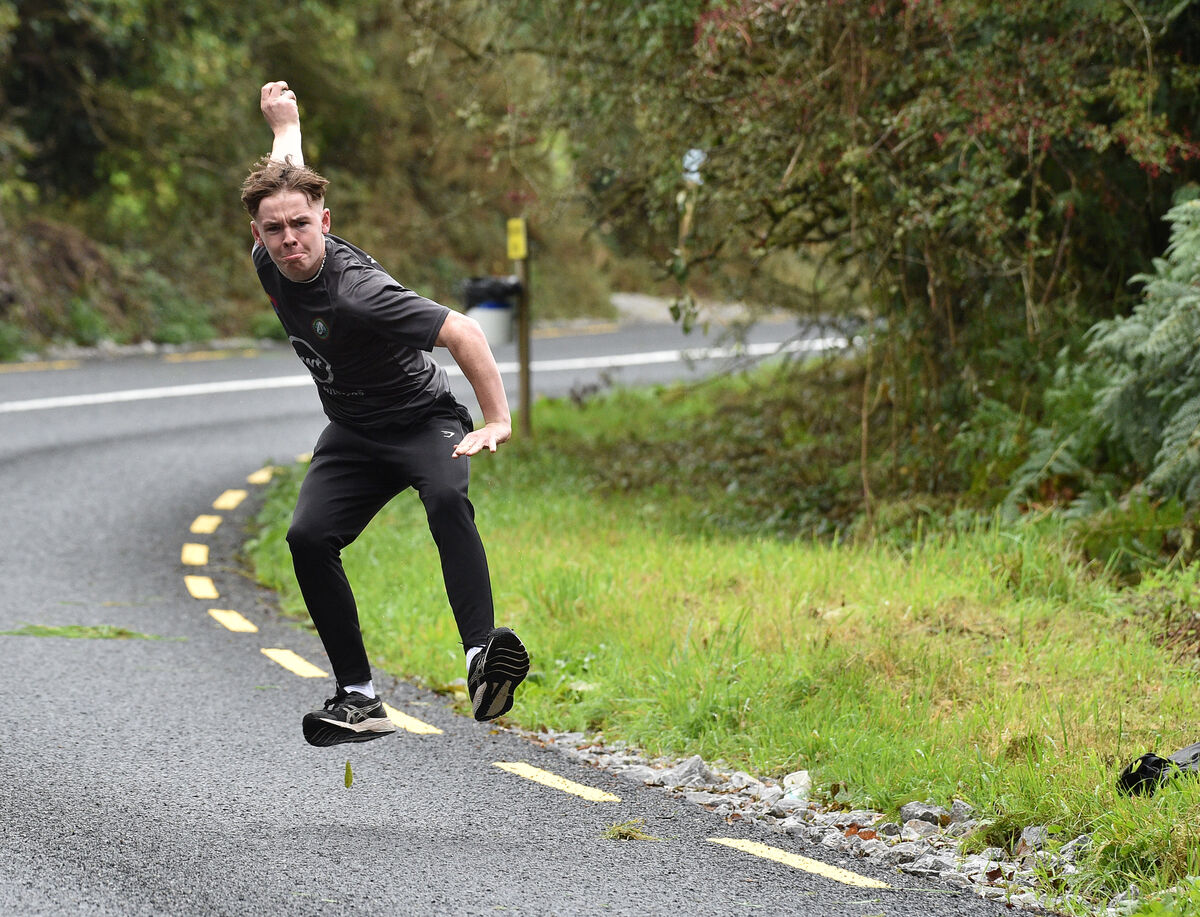
Now that Deputy O’Shea has cast the first bowl, where will it end? Maybe in the sweet spot that Belgium has achieved.
Belgium won recognition from Unesco in 2011 for its work in supporting and preserving its 23 identified traditional games. Could Ireland follow suit, adding road bowling to its list and developing strategies to keep our fragile, unique cultural markers in place for future generations?
Road bowling is a rare artefact of our cultural heritage. It has origins across all classes and creeds. It is a game that has maintained a constant recognisable format and been continuously played on this island for several centuries and generations.
Its format is unique to Ireland. It has evolved with and adapted to landscape and culture, but remains remarkably unchanged in both how it is played and how supporters engage.
Women and girls are front and centre in the sport, like never before. There is something for everyone regardless of ability, age or gender.
Tragically, however, it has been lost in some of the traditional places where it was once played. It is under the care of a national governing body that is totally volunteer.
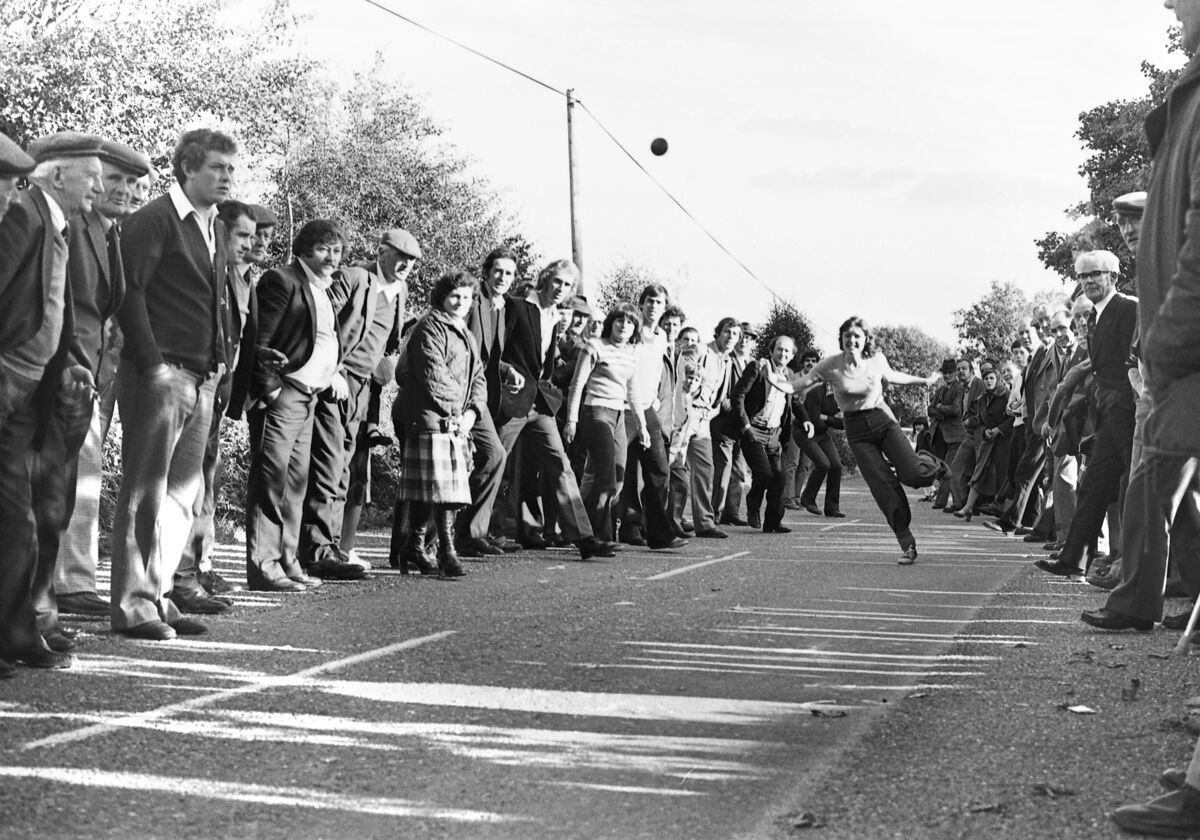
National supports are not really tailored to support a game like road bowling. It needs both a sport and heritage framework in order to continue to thrive. Being on the UNESCO Representative List of the Intangible Cultural Heritage of Humanity would give it the means and context to access that support.
CONNECT WITH US TODAY



Be the first to know the latest news and updates