Drugs in sport: 'There will always be people who try to break the rules'
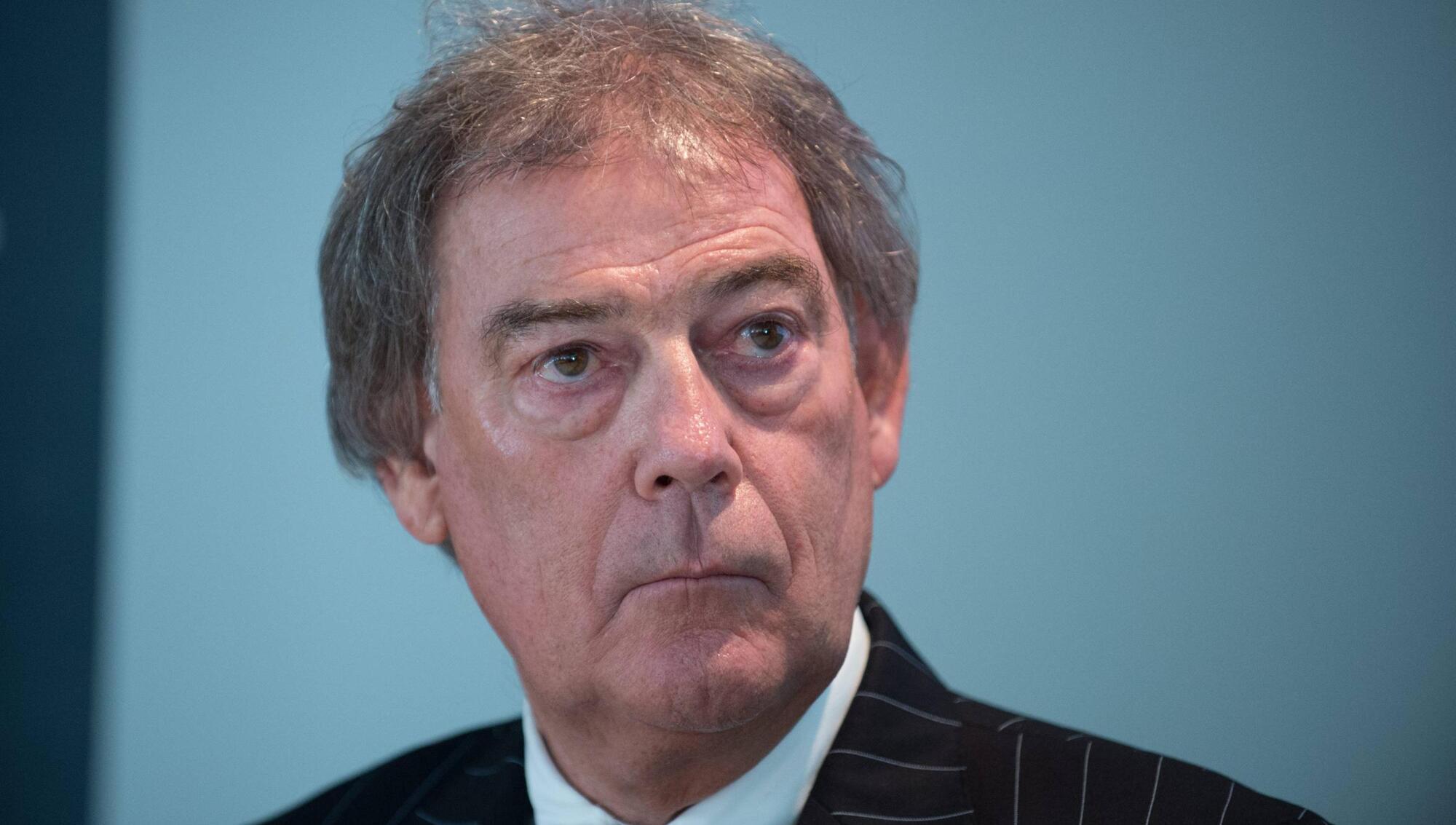
SAME ATTITUDE NEEDED: Athletics Integrity Unit chair David Howman. Pic: Brendan Moran/Sportsfile
“Not many of the big sports have a very robust anti-doping programme,” says David Howman, one of the world’s foremost experts on drugs in sport.
“There are many players who will go through their careers in team sports without being tested once. That doesn’t happen in an individual sport.”
It’s Tuesday evening in Budapest, midway through the World Athletics Championships, and the man tasked with cleaning up the sport is speaking to the media about how it’s going. He’s also explaining how other sports, with far more money flowing through them, seem to have little interest in doing the same.
“What we want is to see others have the same attitude. If you’re flying at 30,000 feet and look down, you might say there’s no doping in these other sports because we don’t have many cases. Is that reality or is that something people are not addressing?”
Few in anti-doping have a background as deep as Howman’s. He was Director General of the World Anti-Doping Agency (WADA) from 2003 to 2016 before being recruited by World Athletics President Sebastian Coe to chair the Athletics Integrity Unit (AIU), which runs the sport’s anti-doping programme.
In recent years the AIU has banned some of the sport’s biggest names, racking up an astonishing number of convictions, particularly in Kenya, and one of the questions put to Howman was whether other sports were looking to athletics for guidance.
While the New Zealander said the AIU met with “the major leagues in New York a few months ago”, he took aim at soccer as being an exception.
“There’s Fifa and there’s the rest of the world. Fifa run a programme where they tick the boxes in terms of in-competition testing; it’s out of competition testing they find quite difficult. I can’t say more than that at present, or I shouldn’t say more than that.”
He was asked about golf, and noted it’s “a wee bit different – it complies with the (World) anti-doping code only around the time of the Olympic games. They choose to remain private, as do the major leagues in the United States.”
In athletics and several other sports, the NCAA is the top feeder system to the professional ranks and while it’s undeniably effective at producing champions, its attitude to anti-doping has long been a concern. How deep has the AIU been able to go in testing NCAA athletes?
“You probably know the answer to that,” said Howman. “The NCAA has been quite resistant in terms of looking at whether they’ll be helpful. We can work with (the US Anti-Doping Agency) on this, there’s a lot of athletes that go to school in the US, so we work in partnership with USADA.”
Brett Clothier, Head of the AIU, said the AIU’s registered testing pool, which typically covers the top-10 athletes globally in each event, allows them to test NCAA athletes.
“As soon as an athlete gets into that, whether they’re in the NCAA or anywhere else, we can test them out of competition. The (issues with the) rules around NCAA are more about what happens in-competition.”
Kenya has been a focal point of the anti-doping movement in recent years, with 63 of its athletes currently serving bans and the Kenyan government recently pledging €24 million over the next five years to combat doping. That will triple the country’s current anti-doping budget.
“The big chunk needs to go on more testing,” said Clothier. “Kenya has thousands of professional athletes and we test the top part of the pyramid, but the bottom half is not tested out of competition at all and hundreds and hundreds of pro runners can win money without being tested. They need investigations, intelligence support and education.”
While the doping problem in Kenya once centred on the blood-booster EPO, following a wave of doping bans the substance of choice has grown more sophisticated, with triamcinolone one of the most popular. Cycling fans will remember it as the corticosteroid at the centre of the scandal that engulfed Bradley Wiggins.
A British parliamentary report stated Team Sky sought a therapeutic use exemption (TUE) for Wiggins to use it ahead of his Tour de France win in 2012 “not to treat medical need, but to improve his power to weight ratio.”
Clothier said doping in Kenya “is not centralised but it is increasingly sophisticated and organised by various networks, and it’s all in pursuit of financial rewards that come from road running.”
One of the questions put to Clothier was on the comparative lack of doping cases from Ethiopia. Clothier said there was “no impediment to us doing tests” in Ethiopia and that it was a “mistake to assume they’re the same (as Kenya) just because they’re next to each other”.
The biggest anti-doping story at the World Championships surrounded the participation of sprint hurdler Tobi Amusan, who was charged with three whereabouts violations by the AIU last month before being cleared by an independent panel.
Howman said the AIU has a “concern it might set a precedent which will be difficult for future cases” and that they’ll seek an independent review of the decision before deciding whether to appeal to the Court of Arbitration for Sport (CAS).
“We will ask WADA what they’re going to do about it, they have a right of appeal as well, so if it’s a matter of great principle in the anti-doping world, we’d expect them to take a lead.”
Howman noted the approach taken by the AIU is increasingly driven by intelligence.
“Testing is no longer about numbers, it’s (about) quality testing. It’s $1000 to analyse a test. Anyone can walk down the road and pick people up and test people and bulk up the numbers – we don’t do that. It’s to ensure those who need to be tested are tested at the right time at the right place. It’s not done by too many others.”
Howman knows doping will never be eradicated, but he and his team are doing all they can to give clean athletes a fighting chance.
“There will always be people who try to break the rules, we’re not stupid,” he said. “But we try to reduce that as much as possible.”

CONNECT WITH US TODAY



Be the first to know the latest news and updates